 orwqa
orwqa
Related Articles
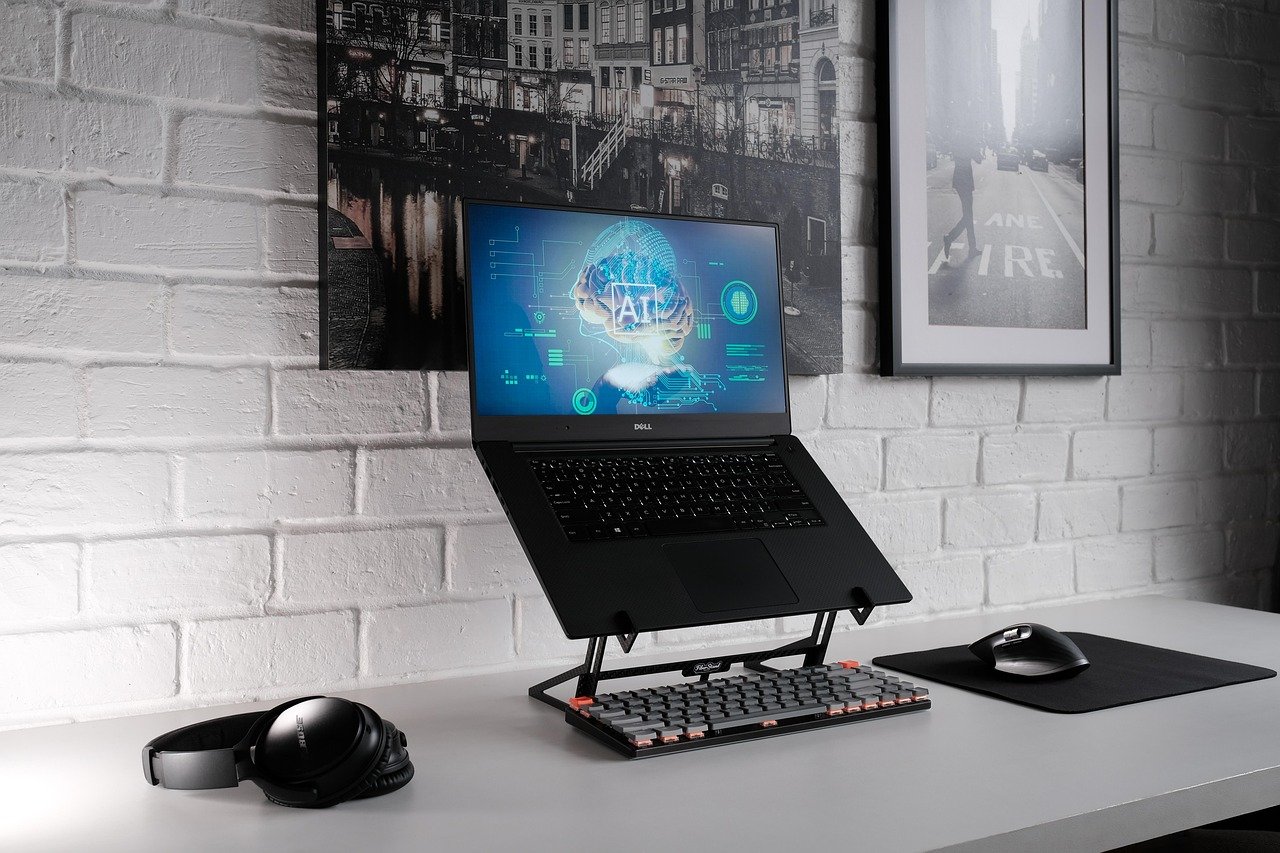

Artificial intelligence has changed the way people create digital images. A few years ago, making a professional looking image usually required design skills, expensive software, and plenty of time. Today, beginners can describe an idea in simple words and let an AI image generator turn that description into an image.
AI image generators are useful for bloggers, students, small business owners, social media creators, marketers, teachers, and anyone who wants to create original visuals without becoming an expert designer. Most modern tools can create illustrations, realistic scenes, product concepts, social media graphics, backgrounds, and many other types of images.
However, choosing the right AI image generator can be confusing. There are many tools available, and each one has different features, pricing options, image styles, and levels of difficulty.
This guide explains some of the best AI image generators for beginners and shows what makes each option useful. It also explains how to write better prompts, what beginners should look for, and how to use AI generated images responsibly.
What Is an AI Image Generator?
An AI image generator is a software tool that creates images based on written instructions called prompts. You describe what you want to see, and the artificial intelligence system interprets your words and produces an image.
For example, a beginner could write:
“Create a cozy wooden cabin beside a quiet lake surrounded by green mountains during sunrise.”
The AI can use this description to create an image based on the requested subject, environment, lighting, and mood.
Some AI image generators can also modify existing images. They may remove objects, change backgrounds, adjust styles, expand an image, or create different versions of a picture.
The technology behind these tools has become much easier to use. Beginners no longer need to understand complicated graphic design software before creating useful images.
Why Beginners Should Use AI Image Generators
One of the biggest advantages of AI image generators is simplicity. You can start with an ordinary sentence instead of learning complicated design techniques.
They are also much faster than traditional image creation. A person who might spend hours searching for the right stock image or creating a graphic manually can often generate several ideas within minutes.
Another advantage is creativity. AI tools can help users experiment with ideas that may be difficult to create using traditional methods.
For example, a beginner could create an imaginary city, a fantasy landscape, a futuristic home, or a simple illustration for an educational article.
AI image generators can also be helpful when you need a specific image that is difficult to find online.
1. ChatGPT Image Generation
ChatGPT can be a convenient choice for beginners because users can describe an image naturally instead of learning complicated commands.
A beginner can explain the desired image in ordinary language and refine the result through additional instructions. This makes the process feel more like a conversation than traditional graphic design.
For example, you can start with a simple idea and then request changes such as making the image brighter, changing the background, adjusting the composition, or creating a different visual style.
This conversational approach is particularly useful for people who have never worked with AI image generation before.
ChatGPT image generation can be useful for blog illustrations, educational graphics, creative concepts, social media visuals, and personal projects.
Best For
Beginners who want a simple conversational experience and do not want to learn complicated prompting techniques.
2. Adobe Firefly
Adobe Firefly is designed for creative work and is a strong option for beginners who are already familiar with Adobe products.
Its interface is built around visual creativity, allowing users to experiment with different image ideas and styles. Firefly can be useful for creating backgrounds, illustrations, concepts, and other visual content.
One advantage of using a well established creative platform is that users can connect AI generation with other design workflows.
Beginners can start with a basic description and gradually learn how different instructions affect the final result.
Adobe Firefly is especially useful for people who want to move from simple AI generated images toward more detailed creative projects.
Best For
Beginners interested in learning AI image generation alongside professional design tools.
3. Canva AI Image Generator
Canva is already popular among beginners because of its easy design interface. Its AI image generation features make it possible to create images while working on presentations, social media posts, posters, documents, and other designs.
The major advantage is convenience. Instead of generating an image in one application and then moving it into another design program, users can create visuals as part of a larger Canva project.
For example, someone creating an Instagram post could generate an image, place it into a template, add text, and adjust the layout within the same platform.
This makes Canva particularly attractive to beginners who want complete designs rather than standalone images.
Best For
Social media creators, students, bloggers, and small businesses that want AI images and easy design tools in one place.
4. Microsoft Designer
Microsoft Designer offers an approachable way to create AI assisted graphics and images. Its simple interface can be useful for beginners who want to experiment without dealing with professional design software.
You can provide a description of the image you want and use the generated visual in different types of designs.
Microsoft Designer can be particularly useful for social media graphics, invitations, simple promotional material, and personal projects.
Beginners may also appreciate the fact that the platform focuses on combining image generation with ready to use design layouts.
Best For
Beginners who want to create both AI images and simple finished graphics.
5. Midjourney
Midjourney has become well known for producing visually impressive AI generated artwork. It can create detailed scenes, artistic compositions, imaginative environments, and realistic looking visuals.
Although Midjourney can produce excellent results, it may take a little more practice than some beginner focused tools. Users need to become familiar with writing effective prompts and understanding available settings.
For beginners who are willing to spend some time learning, Midjourney can be a rewarding option.
It is especially interesting for people who care about artistic quality and want to explore different visual styles.
Best For
Beginners who want highly creative images and are willing to learn more about prompting.
6. Ideogram
Ideogram is particularly interesting for images that contain text. Creating accurate text inside AI generated images has historically been challenging, but tools such as Ideogram have focused heavily on this area.
This can be useful when creating posters, simple advertisements, logos concepts, greeting cards, social media graphics, and other designs where written words are part of the image.
A beginner can describe both the visual scene and the text that should appear in the design.
For example, a user could request a modern coffee shop poster with a specific heading and visual theme.
Best For
Beginners who want to create graphics containing readable text.
7. Leonardo AI
Leonardo AI provides a variety of creative image generation options and can be useful for people who want more control over their results.
It can support different visual styles and creative workflows, making it suitable for illustrations, game concepts, characters, environments, and digital artwork.
Although beginners can start with simple prompts, the platform also provides opportunities to learn more advanced controls over time.
This makes it an interesting choice for users who want a tool they can continue learning after becoming comfortable with basic image generation.
Best For
Creative beginners who want to gradually move toward more advanced AI image creation.
8. Google Image Generation Tools
Google has also developed AI based image generation capabilities through its AI products and creative tools. These services can be useful for people who already use Google’s ecosystem.
The main benefit for beginners is the familiar experience of describing an idea using natural language.
Google’s AI image tools can be useful for brainstorming visual concepts, creating illustrations, exploring design ideas, and developing creative projects.
Availability and features can vary by product, region, and account, so beginners should check the current options available to them.

Best For
Beginners who already use Google AI services and want to explore image generation within that ecosystem.
How to Choose the Best AI Image Generator
There is no single AI image generator that is perfect for everyone. The best option depends on what you want to create.
If simplicity is your biggest priority, choose a tool with a straightforward interface and natural language prompting.
If you want social media designs, a platform that combines image generation with templates can save considerable time.
If you care about artistic quality, you may prefer a tool that provides more creative control.
If your images need readable text, choose a generator that performs well with typography.
It is also important to consider pricing. Some services provide free access with limitations, while others use credits, subscriptions, or paid plans.
How to Write a Good AI Image Prompt
The quality of an AI generated image often depends on how clearly you describe your idea.
A useful prompt can include the subject, setting, style, lighting, mood, composition, and important details.
Instead of writing:
“Make a picture of a house.”
You could write:
“Create a small modern house surrounded by trees, with large windows, a stone pathway, warm evening lighting, and a peaceful residential garden.”
The second prompt provides much more information.
Start With the Main Subject
Tell the AI what the most important part of the image should be.
For example:
“A golden retriever sitting beside a wooden fireplace.”
This gives the generator a clear starting point.
Describe the Environment
Add information about where the subject is located.
You could say:
“A golden retriever sitting beside a wooden fireplace inside a cozy mountain cabin.”
Now the AI has more context.
Add Lighting and Mood
Lighting can significantly change the appearance of an image.
Words such as morning light, soft indoor lighting, bright daylight, dramatic lighting, or warm evening light can help communicate the atmosphere you want.
Mention the Visual Style
You can describe whether you want a realistic photograph, watercolor illustration, digital artwork, minimalist design, cartoon style, or another visual approach.
Keep Important Instructions Clear
Long prompts are not automatically better. A good prompt should be detailed enough to communicate your idea without becoming unnecessarily complicated.
Common Mistakes Beginners Should Avoid
One common mistake is expecting perfect results from the first prompt. AI image generation is often an iterative process.
If the first image is not exactly what you imagined, change the prompt and try again.
Another mistake is giving vague instructions. A prompt such as “make something beautiful” gives the AI very little direction.
Beginners should also avoid adding too many unrelated ideas to one prompt. If you want a clean and focused image, describe the main concept clearly.
It is also important to inspect generated images carefully. AI can sometimes produce strange details, inaccurate objects, distorted hands, incorrect text, or other visual mistakes.
AI Image Generators for Blog Content
AI image generators can be useful for bloggers who need original visual material.
For example, a home improvement website might need an illustration of a small bedroom. A gardening website might need a visual showing herbs growing in containers. A technology website could use an illustration of a modern computer workspace.
The important thing is to make sure the image actually supports the article.
Adding random images simply to make a page look longer does not necessarily improve the reader’s experience. Images should have a clear purpose.
AI Images for Social Media
Social media creators can also benefit from AI image generation.
A creator might use AI to develop backgrounds, illustrations, promotional visuals, seasonal graphics, or creative concepts.
However, it is usually better to treat AI as a creative assistant rather than a complete replacement for human judgment. Adding your own text, layout, branding, and editing can make the final design more useful and distinctive.
Are AI Generated Images Free to Use?
This is an important question for beginners.
The answer depends on the specific AI service, its terms, the type of account you have, and how the image is generated.
Before using an AI generated image for commercial purposes, read the current terms and licensing information provided by the platform.
Do not assume that every image generated by every AI service has identical usage rights.
This is particularly important for businesses, websites, advertisements, products, and other commercial projects.
Should Beginners Pay for an AI Image Generator?
Not necessarily.
Someone who is just learning can begin with a free option and determine whether AI image generation is actually useful for their work.
Paid plans can become worthwhile when you need more generations, higher quality output, faster processing, additional features, or commercial capabilities.
The right approach is to start with your actual needs instead of paying for every tool available.
Tips for Getting Better Results
Experiment with different descriptions and compare the results.
Save prompts that produce good images so you can reuse the structure later.
Be specific about the subject and environment.
Mention the desired visual style when it matters.
Try different compositions if the first result feels too ordinary.
Review every generated image before publishing it.
Keep improving your prompts as you learn what works.
Most importantly, remember that AI image generation is a skill that improves with practice.
Final Thoughts
AI image generators have made visual creation much more accessible to beginners. You no longer need advanced graphic design experience to turn a simple idea into an attractive image.
Tools such as ChatGPT image generation, Adobe Firefly, Canva, Microsoft Designer, Midjourney, Ideogram, Leonardo AI, and Google’s AI image tools each offer different advantages.
The best choice depends on your goals. Some tools focus on simplicity, while others provide greater creative control. Some are especially useful for social media designs, while others are better suited to artistic images or graphics containing text.
For beginners, the best strategy is to start with one tool, learn how prompts work, and practice creating different types of images. Once you understand the basics, you can explore more advanced features and decide whether another platform better matches your needs.
AI should be viewed as a creative assistant rather than a replacement for human ideas. The strongest results usually come from combining AI generation with your own judgment, editing, creativity, and purpose.
With the right tool and a clear prompt, even a complete beginner can start creating useful and attractive images in just a few minutes.