 orwqa
orwqa
Related Articles


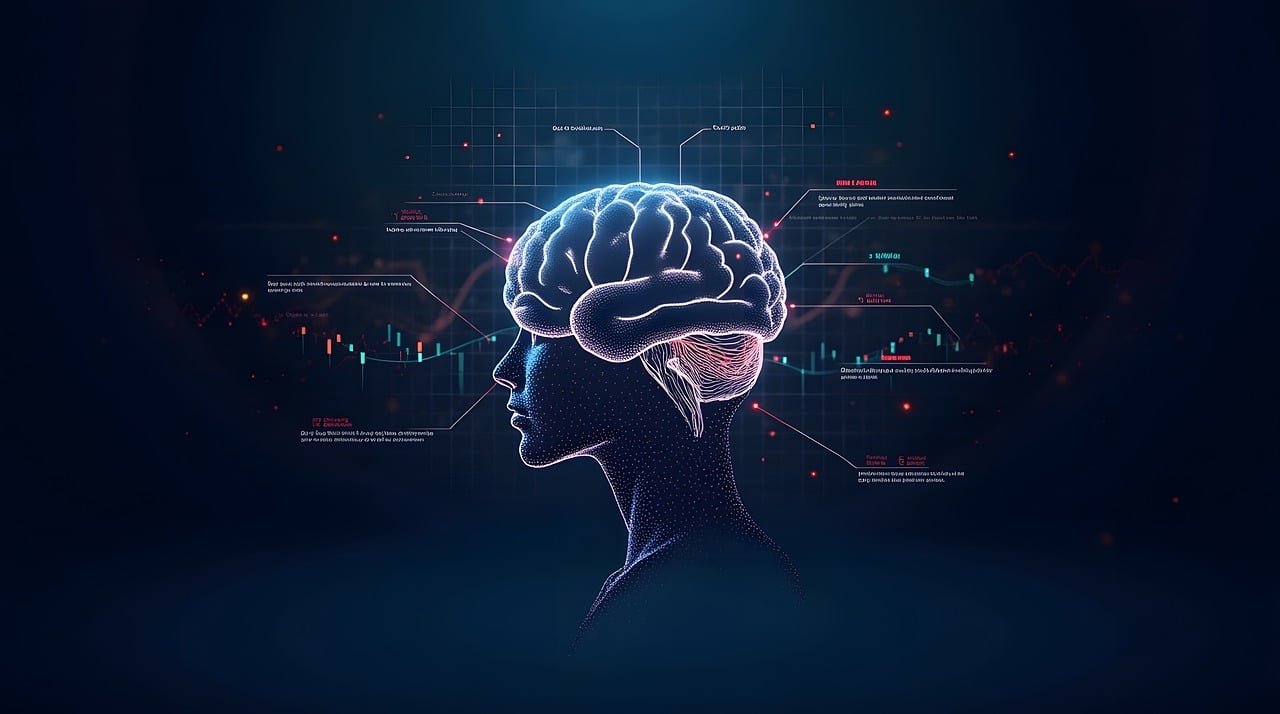
Marketing campaigns require more than simply creating attractive advertisements. A successful campaign needs careful planning, useful content, audience research, creative ideas, consistent messaging, and regular performance analysis. For many businesses, managing all these tasks can take a significant amount of time.
Artificial intelligence is changing the way marketers approach this work. Modern AI tools can help businesses generate campaign ideas, understand audiences, write marketing content, create visuals, analyze customer behavior, and improve advertising strategies. These tools do not replace good marketing judgment, but they can make the entire process faster and more organized.
Whether you run a small online store, manage social media for a company, work as a freelancer, or operate a growing business, AI marketing tools can help you build campaigns more efficiently.
In this article, we will explore some of the best AI tools for creating marketing campaigns and explain how each type of tool can support different stages of the marketing process.
What Are AI Marketing Campaign Tools?
AI marketing campaign tools are software applications that use artificial intelligence to assist with marketing tasks. They can analyze information, generate content, identify patterns, suggest strategies, and automate repetitive work.
Some tools focus mainly on writing, while others specialize in advertising, customer data, social media, email marketing, design, or campaign analytics. There are also platforms that combine several marketing features in one system.
The main advantage is that marketers can spend less time handling repetitive tasks and more time developing creative strategies.
AI can also help beginners who may not have extensive marketing experience. Instead of starting with a blank page, they can use AI suggestions to develop campaign concepts and improve their ideas.
Why Use AI for Marketing Campaigns?
Creating a marketing campaign manually can involve many separate activities. You may need to research your audience, choose keywords, write advertisements, create social media posts, prepare emails, design images, and track campaign performance.
AI can assist with many of these activities.
One important benefit is speed. AI can generate several campaign ideas within seconds, allowing marketers to compare different approaches.
Another benefit is consistency. AI can help maintain a similar tone and message across emails, advertisements, social media posts, and landing pages.
AI can also analyze large amounts of marketing data more quickly than a person can manually. This can help identify trends and areas where a campaign may need improvement.
However, AI should be treated as an assistant rather than a complete replacement for human decision making. Human review remains important because marketing depends heavily on creativity, context, brand identity, and understanding customer needs.
ChatGPT for Marketing Campaign Ideas and Content
ChatGPT can be useful during almost every stage of campaign planning. Marketers can use it to brainstorm campaign themes, develop customer personas, write advertising copy, create email ideas, prepare social media content, and organize marketing plans.
For example, a small business launching a new product could ask ChatGPT to create several campaign concepts for different customer groups. The marketer can then select the most suitable ideas and develop them further.
It can also help transform one marketing idea into different content formats. A campaign message could become a social media post, email introduction, blog outline, advertisement, and video script.
The quality of the result depends heavily on the instructions provided. Giving AI useful information about the product, audience, brand voice, goals, and campaign limitations generally produces more relevant results.
ChatGPT is especially helpful for marketers who need a flexible tool for brainstorming and content development.
HubSpot AI for Marketing Campaign Management
HubSpot provides marketing software designed to help businesses manage customer relationships and marketing activities. Its AI features can assist with content creation, customer engagement, campaign planning, and other marketing tasks.
One advantage of an integrated platform is that marketers can connect different parts of their marketing process. Instead of treating email marketing, customer information, and campaign management as completely separate activities, businesses can organize them within one system.
AI features can help marketers generate content and work more efficiently while the broader platform provides tools for managing campaigns and customer relationships.
HubSpot can be particularly useful for businesses that want marketing automation alongside customer relationship management.
Jasper for Marketing Content
Jasper is an AI platform focused strongly on business and marketing content. It can help marketers develop advertising copy, campaign messaging, social media content, email copy, and other written materials.
One of its useful features is the ability to work with brand related information. Consistent brand communication is important because customers should recognize the same business across different marketing channels.
A marketer can use an AI writing platform to develop multiple versions of a campaign message and then compare which version best fits the intended audience.
Jasper may be useful for marketing teams that produce a large amount of content regularly.
Canva AI for Campaign Design
Visual content plays a major role in modern marketing. Canva provides design tools that make it easier to create social media graphics, advertisements, presentations, promotional materials, and other visual assets.
Its AI powered features can help users generate design ideas, create images, modify visual elements, and develop content more quickly.
This can be especially useful for small businesses that do not have a dedicated graphic designer. A business owner can create campaign graphics while maintaining a consistent visual identity.
For example, a seasonal promotion could require several social media images in different sizes. AI assisted design features can help speed up the creation process while templates make it easier to maintain a consistent appearance.
Human review is still important because good marketing design requires appropriate branding, readability, and visual balance.
Adobe Firefly for Marketing Visuals
Adobe Firefly is an AI based creative tool that can assist with generating and editing visual content. It can be useful when marketers need original visual concepts for advertisements, social media campaigns, product promotions, or other marketing materials.
Instead of spending hours searching for an appropriate visual concept, a marketer can experiment with different creative directions.
Firefly can also be useful when an existing image needs modifications. Marketers can explore different backgrounds, compositions, or visual styles depending on the campaign.
For businesses already using Adobe products, AI assisted creative features can fit naturally into an existing design workflow.
Copy.ai for Marketing Workflows
Copy.ai is designed around AI powered content creation and marketing workflows. It can help with tasks such as writing marketing copy, developing campaign messaging, creating sales content, and organizing repetitive content processes.
Marketing teams often have to produce similar types of content repeatedly. For example, an online store may need product descriptions, promotional emails, social media captions, and sales messages for dozens of products.
AI can help speed up these tasks while allowing marketers to focus on strategy and customer relationships.
Copy.ai can be particularly helpful for teams that need to create large quantities of marketing content without starting every piece from scratch.
Semrush AI Features for Marketing Research
Marketing campaigns are much stronger when they are based on good research. Semrush provides a broad range of digital marketing tools, including search engine optimization, keyword research, competitive analysis, and content related features.
Its AI capabilities can help marketers with content ideas and optimization tasks.
Keyword and competitor research can provide useful information about what potential customers are searching for online. This information can influence campaign topics, landing pages, advertisements, and content strategies.
AI can make research more efficient, but marketers should still evaluate the information carefully. Search trends can change, and not every popular keyword will be suitable for every business.
Mailchimp AI for Email Campaigns
Email remains an important marketing channel for many businesses. Mailchimp provides email marketing and automation features along with AI powered capabilities that can assist with campaign creation.
AI can help marketers generate subject line ideas, develop content, organize campaigns, and improve the overall email creation process.
For example, a retailer promoting a seasonal sale could create several subject line variations and compare different messaging approaches.
The biggest benefit of AI in email marketing is not simply writing emails faster. It can help marketers experiment with different messages while maintaining a consistent communication style.
Marketers should still avoid misleading subject lines or excessive promotional messaging because long term customer trust is more valuable than a single click.

Meta AI Tools for Social Media Advertising
Social media advertising requires businesses to create content that matches different audiences and placements. Meta provides advertising tools that can assist marketers with campaign creation, audience targeting, creative variations, and optimization.
AI can help advertisers test different versions of creative content and improve campaign efficiency.
This is valuable because social media users respond differently to images, videos, headlines, and messages. Testing multiple creative variations can provide useful information about audience preferences.
Businesses should monitor campaign performance instead of assuming that an AI generated advertisement will automatically succeed.
Google Ads AI Features
Google Ads uses AI and machine learning across several parts of its advertising platform. These technologies can help advertisers with campaign optimization, bidding, targeting, and creative development.
For marketers, the main advantage is the ability to use large amounts of advertising data to identify patterns and optimize campaigns.
AI based advertising systems can help businesses reach potential customers across different Google properties and advertising placements.
However, marketers should establish clear campaign goals before relying heavily on automation. A campaign designed to increase website traffic may require different settings from a campaign focused on generating sales or leads.
Grammarly for Marketing Communication
Marketing campaigns involve more written communication than many people realize. Even a strong campaign idea can appear unprofessional if advertisements, emails, landing pages, or social media posts contain grammar and spelling problems.
Grammarly uses AI to assist with writing quality, clarity, tone, and readability.
It can be useful for reviewing campaign content before publication. Marketers can use it to identify awkward sentences, unclear wording, and common writing mistakes.
This is especially helpful for businesses where several people contribute to marketing content.
AI writing assistance should not completely control the final voice. A human review can make sure the writing still sounds natural and matches the company’s personality.
How to Choose the Right AI Marketing Tool
There is no single AI marketing tool that is perfect for every business. The right choice depends on your marketing goals.
If your main need is writing and brainstorming, an AI writing assistant may be enough.
If you need visual content, an AI design platform may provide greater value.
Businesses focused on email marketing may benefit more from an email marketing platform with AI features.
Companies running large advertising campaigns may need tools with audience analysis, automation, and performance optimization.
Before choosing a tool, consider its ease of use, available features, pricing structure, integrations, data handling practices, and learning curve.
It is also worth testing a tool before committing to a long term subscription when a free trial or free plan is available.
How AI Can Help Build a Marketing Campaign
A successful campaign can be divided into several stages.
The first stage is research. Marketers need to understand their target customers, competitors, market conditions, and campaign objectives.
The second stage is planning. AI can help generate campaign concepts, messaging ideas, content calendars, and possible customer segments.
The third stage is content creation. AI can assist with advertisements, emails, social media posts, articles, scripts, and visual concepts.
The fourth stage is distribution. Marketing platforms can help publish content across selected channels.
The final stage is analysis. Businesses should examine campaign results and determine which parts performed well.
AI can support each stage, but marketers should remain involved throughout the process.
Tips for Getting Better Results From AI Marketing Tools
The quality of AI output depends significantly on the information you provide.
Instead of asking an AI tool to simply create an advertisement, explain what you are promoting, who the audience is, what makes the product useful, what tone you want, and what action customers should take.
Providing examples of your existing brand communication can also help AI understand your preferred style.
Another useful approach is to request multiple versions. You can ask for several headlines, campaign concepts, or email openings and then select the strongest option.
Always fact check important information before publishing it. AI can produce incorrect details, especially when it is asked about rapidly changing information.
You should also review generated content for originality, accuracy, and brand suitability.
Benefits of Using Multiple AI Tools
Businesses do not necessarily need to depend on one platform.
A marketing team might use one AI tool for research, another for writing, another for design, and another for analytics.
This approach can provide more specialized capabilities.
However, using too many platforms can also create unnecessary complexity. Businesses should choose tools based on actual needs rather than subscribing to every new AI service.
A simple workflow with a few reliable tools is often more effective than a complicated collection of software.
Common Mistakes to Avoid
One common mistake is publishing AI generated content without reviewing it. AI can produce information that sounds convincing but may still be inaccurate or unsuitable.
Another mistake is creating generic content. Marketing works best when the message speaks directly to a specific audience.
Businesses should also avoid making every piece of content sound exactly the same. Customers value genuine communication, and excessive automation can make a brand feel impersonal.
Another issue is relying entirely on AI recommendations without examining actual campaign results. Data from real customers should always influence marketing decisions.
Is AI Going to Replace Marketing Professionals?
AI is unlikely to eliminate the need for skilled marketing professionals. Instead, it is changing how marketers perform their work.
Tasks that once required significant manual effort can now be completed more quickly. This allows professionals to spend more time on strategy, creativity, customer research, and decision making.
The most valuable marketers will likely be those who know how to combine AI capabilities with human judgment.
AI can suggest ideas, but humans understand emotions, relationships, cultural context, and brand identity in ways that automated systems cannot completely replicate.
Final Thoughts
AI tools are becoming valuable assistants for modern marketing campaigns. From brainstorming campaign ideas to writing content, creating graphics, researching audiences, managing email campaigns, and analyzing advertising performance, AI can reduce repetitive work and help businesses move faster.
Tools such as ChatGPT, HubSpot, Jasper, Canva, Adobe Firefly, Copy.ai, Semrush, Mailchimp, Meta advertising tools, Google Ads, and Grammarly can support different parts of the marketing process.
The best results come from using AI strategically rather than depending on it completely. Marketers should provide clear instructions, review generated content, verify important information, understand their audience, and measure real campaign performance.
A successful marketing campaign is ultimately about connecting the right message with the right audience at the right time. AI can make that process faster and more efficient, but human creativity and good judgment remain at the heart of effective marketing.