
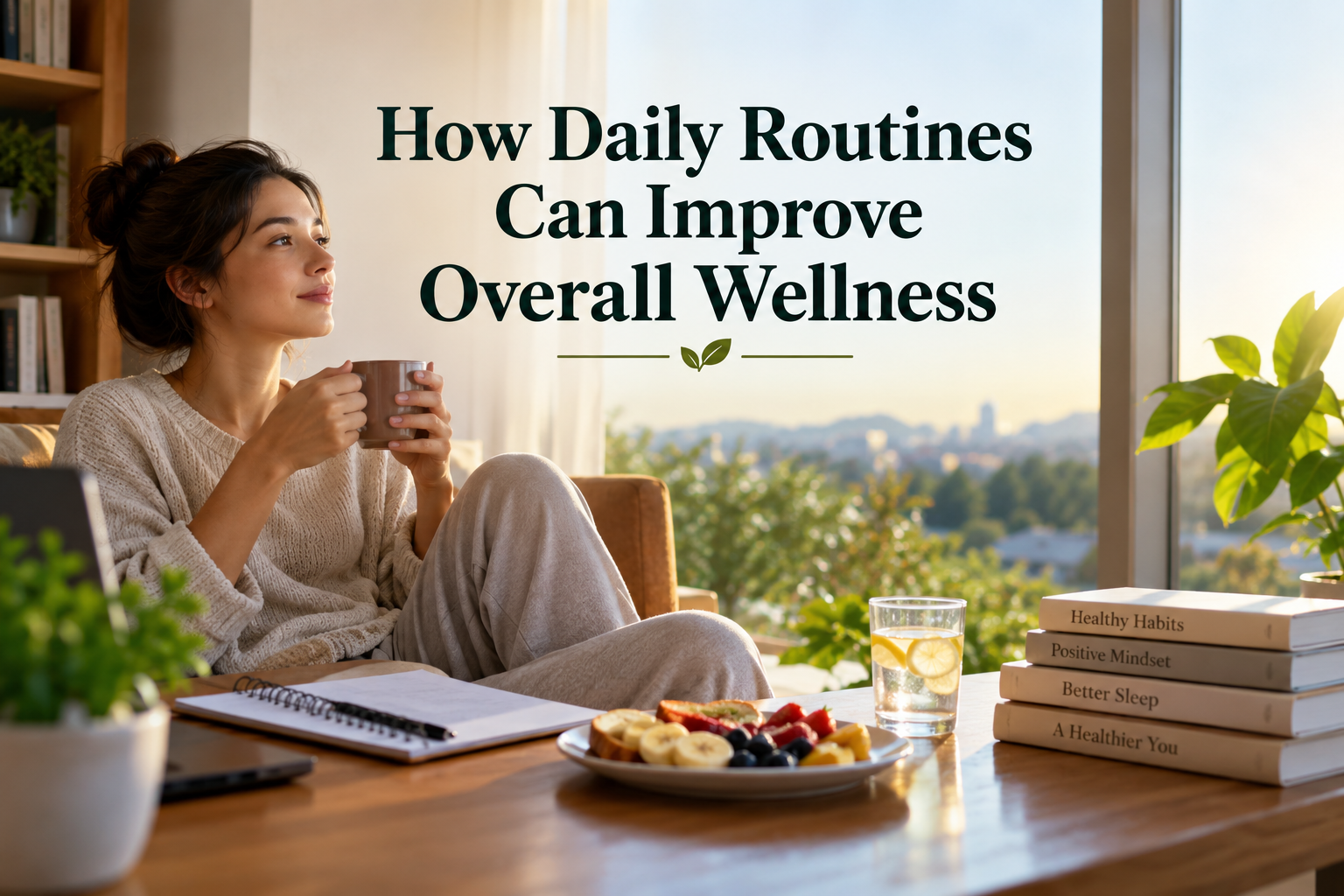
A healthy life is often built through small actions rather than major changes. Many people think they need a strict diet, an intense exercise plan, or a completely different lifestyle to feel better. In reality, simple daily routines can improve overall wellness when they are followed consistently. The way we start our morning, eat our meals, organize our work, move our body, relax our mind, and prepare for sleep can influence how we feel throughout the day.
Daily routines provide structure. They help the body and mind understand what to expect. When healthy habits become part of a regular schedule, they require less effort and become easier to maintain. Over time, these small choices can support physical health, emotional balance, better sleep, improved focus, and a stronger sense of control.
Understanding how daily routines can improve overall wellness is useful for anyone who wants to create a healthier and more balanced lifestyle.
What Does Overall Wellness Mean?
Overall wellness is more than simply avoiding illness. It includes physical, mental, emotional, and social wellbeing. A person may look physically healthy but still feel stressed, tired, unfocused, or emotionally drained.
Good wellness usually involves several areas of life working together. These may include nutritious food, regular movement, enough sleep, positive relationships, stress management, personal hygiene, mental relaxation, and meaningful daily activities.
Daily routines help connect all these areas. Instead of trying to improve everything at once, people can build simple habits into different parts of the day.
For example, drinking water after waking up, walking after lunch, limiting screen time before bed, and preparing meals in advance are small routines. Each habit may seem simple, but together they can create a healthier lifestyle.
Daily Routines Create Healthy Structure
One of the biggest benefits of a daily routine is structure.
Without a clear routine, people may skip meals, sleep at different times, forget important tasks, spend too much time on screens, or delay exercise. An unplanned day can also increase stress because the mind is constantly deciding what to do next.
A routine reduces some of these daily decisions.
When certain activities happen at regular times, they can become natural parts of life. A person may automatically take a morning walk, prepare breakfast, complete important work, or start getting ready for bed at a regular time.
This kind of structure can make healthy living feel more manageable.
It does not mean that every minute of the day needs to be planned. A healthy routine should provide direction while still leaving room for flexibility.
A Good Morning Routine Can Set the Tone for the Day
The morning can influence how the rest of the day feels.
Waking up and immediately rushing into work, messages, or social media may create unnecessary mental pressure. A calmer morning routine can help a person begin the day with greater focus.
A healthy morning routine may include getting out of bed at a regular time, drinking water, opening the curtains, spending a few minutes in natural light, stretching, eating breakfast, or planning the day’s priorities.
Morning routines do not need to be long.
Even ten or fifteen minutes of organized activity can create a sense of control.
For some people, reading a few pages of a book, taking a short walk, writing down daily goals, or simply sitting quietly with breakfast may help create a more peaceful start.
The best morning routine is one that feels realistic enough to repeat regularly.
Regular Sleep Times Support Daily Wellness
Sleep is one of the most important parts of a healthy daily routine.
The body follows natural patterns that help regulate sleep and wakefulness. Going to bed and waking up at similar times each day can support a more consistent sleep schedule.
Irregular sleeping habits can make mornings more difficult. Staying awake very late on some nights and sleeping much longer on other days may disturb the body’s normal rhythm.
Creating a simple evening routine can make sleep preparation easier.
This may include reducing bright screens, dimming the lights, brushing teeth, changing into comfortable clothing, reading, or preparing the bedroom for sleep.
The goal is to give the body clear signals that the day is ending.
Good sleep can support concentration, mood, energy, and the ability to manage everyday tasks.
Meal Routines Can Encourage Better Nutrition
Daily routines can also improve eating habits.
When people become very busy, they may skip meals and later eat whatever is convenient. They may also rely heavily on processed snacks because they have not planned what to eat.
A regular meal routine can reduce this problem.
Having breakfast, lunch, and dinner at fairly consistent times can make it easier to plan nutritious meals. Preparing food in advance can also encourage healthier choices.
A balanced daily eating routine may include vegetables, fruits, whole grains, protein sources, healthy fats, and enough fluids.
It is not necessary to eat perfectly every day.
What matters more is creating a pattern where nutritious foods are available regularly.
For example, keeping fruit where it can easily be seen, preparing vegetables before a busy workweek, or carrying a water bottle can make healthy decisions easier.
This is one of the main reasons daily routines can improve overall wellness. They help healthy choices become convenient choices.
Regular Movement Supports Physical Wellness
Exercise becomes much easier to maintain when it is part of a routine.
Many people wait until they feel motivated to exercise. The problem is that motivation changes from day to day. A routine gives movement a regular place in the schedule.
Physical activity does not always require a gym.
Walking, cycling, stretching, gardening, household activities, climbing stairs, and simple home exercises can all increase daily movement.
A person might take a twenty minute walk in the morning, walk after dinner, stretch during work breaks, or exercise at a regular time several days each week.
The exact activity is less important than consistency.
Regular movement supports strength, mobility, circulation, fitness, and general physical wellbeing. It can also provide a mental break from sitting, screens, and work responsibilities.
Daily Routines Can Reduce Mental Overload
The brain makes countless decisions every day.
What should I eat?
When should I exercise?
When should I complete this task?
What should I do next?
Constant decision making can become mentally tiring.
Routines reduce some of this pressure because certain activities are already decided.
If someone always walks after breakfast, prepares lunch the night before, or reads before sleeping, they do not need to repeatedly decide when these activities should happen.
This allows mental energy to be used for more important tasks.
Simple routines can therefore create a sense of organization and calm.
Work Routines Can Improve Focus
A well organized work routine can also support overall wellness.
Working continuously for many hours without breaks can cause mental fatigue. On the other hand, constantly switching between tasks, messages, websites, and notifications can make concentration difficult.
Creating a simple work routine may help.
A person can choose certain times for focused work and include short breaks between demanding tasks. It can also be useful to keep the workspace organized and reduce unnecessary distractions.
Writing down three important tasks each morning can make the day feel more manageable.
Instead of trying to complete everything at once, people can focus on their most important priorities.
Good work routines can support productivity without making the entire day feel like work.
Breaks Should Be Part of the Routine
Rest is not only something that happens at night.
Short breaks during the day can help people reset mentally and physically.
Someone who works at a computer might stand up, stretch, walk around the room, drink water, or look away from the screen for a few minutes.
These short pauses can make long working periods feel less exhausting.
Breaks can also help prevent the feeling that the day is completely controlled by responsibilities.
Even a short tea break, a walk outside, or a quiet moment can provide a useful pause.
Hydration Is Easier With a Routine
Many people simply forget to drink enough water during busy days.
Creating hydration habits can make regular drinking easier.
A person may drink water after waking up, keep a bottle on the desk, drink with meals, and have another glass after physical activity.
The purpose is not to follow an extreme drinking schedule. It is simply to make fluids easily available throughout the day.
Water plays an important role in normal body functions, and regular hydration can be supported by simple daily habits.
Personal Care Routines Support Wellness
Personal hygiene and self care are important parts of daily wellness.
Brushing teeth, bathing, washing hands, wearing clean clothes, caring for the skin, and maintaining a clean living environment are basic activities, but they can strongly influence how people feel.
A clean environment may also make it easier to relax and concentrate.
Small routines such as making the bed, opening windows, putting things back in their place, or cleaning the kitchen after meals can prevent household tasks from becoming overwhelming.
Self care does not always require expensive products or complicated routines.
Simple consistency is often more useful.
Routines Can Create Time for Mental Rest
A healthy routine should not focus only on productivity.
The mind also needs periods of relaxation.
Reading, listening to music, spending time outdoors, practicing deep breathing, writing in a journal, enjoying a hobby, or simply sitting quietly can provide mental rest.
Scheduling these activities can be helpful because relaxation is often ignored when life becomes busy.
Without a routine, people may spend their free time endlessly scrolling through their phones without actually feeling refreshed.
Intentional relaxation can make free time more meaningful.
Social Connection Should Be Part of Wellness
Human relationships are another important part of overall wellness.
Busy schedules can sometimes reduce the amount of meaningful time people spend with family and friends.
Simple social routines can help maintain relationships.
This could mean eating dinner together, calling a family member regularly, meeting a friend for a walk, or spending time talking without phones nearby.
Strong social connections can provide emotional support and a sense of belonging.
Wellness is not only about what people eat or how often they exercise. Feeling connected to others is also important.
Small Habits Are Easier to Maintain
One common mistake is trying to create a perfect routine overnight.
Someone may suddenly decide to wake up very early, exercise for an hour, prepare every meal, read daily, avoid sugar completely, and sleep at exactly the same time.
This type of routine can feel impressive for a few days, but it may become difficult to maintain.
Starting small is usually more practical.
A person can begin with one or two habits.
For example, they might start drinking water in the morning and walking for fifteen minutes after dinner.
Once those habits feel natural, another healthy routine can be added.
Slow progress can create lasting change because it gives people time to adjust.
Consistency Matters More Than Perfection
Healthy routines do not need to be followed perfectly.
Travel, work demands, family responsibilities, illness, celebrations, and unexpected events can change daily plans.
Missing one workout or sleeping late one night does not destroy a healthy lifestyle.
What matters is returning to the routine.
Thinking about routines as flexible patterns rather than strict rules can prevent unnecessary guilt.
The goal is to create habits that support life, not habits that make life stressful.
How to Build a Simple Daily Wellness Routine
A practical wellness routine can begin with a few basic habits.
Wake up at a fairly regular time.
Drink water and get some natural light in the morning.
Eat balanced meals when possible.
Move the body every day.
Take short breaks from sitting and screens.
Make time for family, friends, or meaningful conversation.
Complete important work before less important distractions.
Create time for relaxation.
Prepare for sleep with a calm evening routine.
Go to bed at a reasonably consistent time.
These simple habits can be adjusted according to work schedules, family life, age, preferences, and personal responsibilities.
There is no perfect daily routine that suits everyone.
The best routine is one that fits naturally into a person’s life.
Why Daily Routines Can Improve Overall Wellness
Daily routines are powerful because they turn healthy intentions into repeated actions.
Most people already know that sleeping well, eating nutritious food, exercising, drinking water, managing stress, and maintaining relationships are important. The difficult part is doing these things consistently.
Routines provide a practical solution.
Instead of depending on motivation every day, healthy activities become part of the normal schedule.
Over time, these repeated choices can influence physical health, mental clarity, emotional balance, productivity, sleep quality, and everyday satisfaction.
A healthy lifestyle is rarely created by one major decision. It is usually created by hundreds of small choices repeated over many days.
Final Thoughts
Learning how daily routines can improve overall wellness can change the way people think about healthy living. Wellness does not always require dramatic changes. In many cases, it begins with simple routines that make good choices easier to repeat.
A regular sleep schedule, balanced meals, daily movement, hydration, organized work, meaningful breaks, personal care, relaxation, and social connection can all become part of a healthy day.
The most effective routine is not the most complicated one. It is the routine that can realistically be followed again tomorrow.
Small habits may appear insignificant at first, but when they are repeated consistently, they can gradually shape a healthier, calmer, and more balanced life.