Protein is one of the most important nutrients required by the human body. It supports growth, helps repair tissues, maintains muscles, contributes to the production of hormones and enzymes, and plays an important role in the immune system. Almost every part of the body depends on protein in some way.
When people hear the word protein, they often think about muscles, athletes, eggs, chicken, or protein shakes. However, protein is much more than a nutrient for building muscle. It is involved in many essential processes that take place inside the body every day.
Understanding why protein is important for the human body can help us make better food choices and maintain a balanced diet. Protein is needed by people of all ages, including children, adults, and older people.
What Is Protein?
Protein is a nutrient made from smaller compounds called amino acids. These amino acids are often described as the building blocks of protein because the body uses them to create different types of proteins needed for various functions.
There are many amino acids, but some are especially important because the human body cannot produce them on its own. These are called essential amino acids. They must be obtained through food.
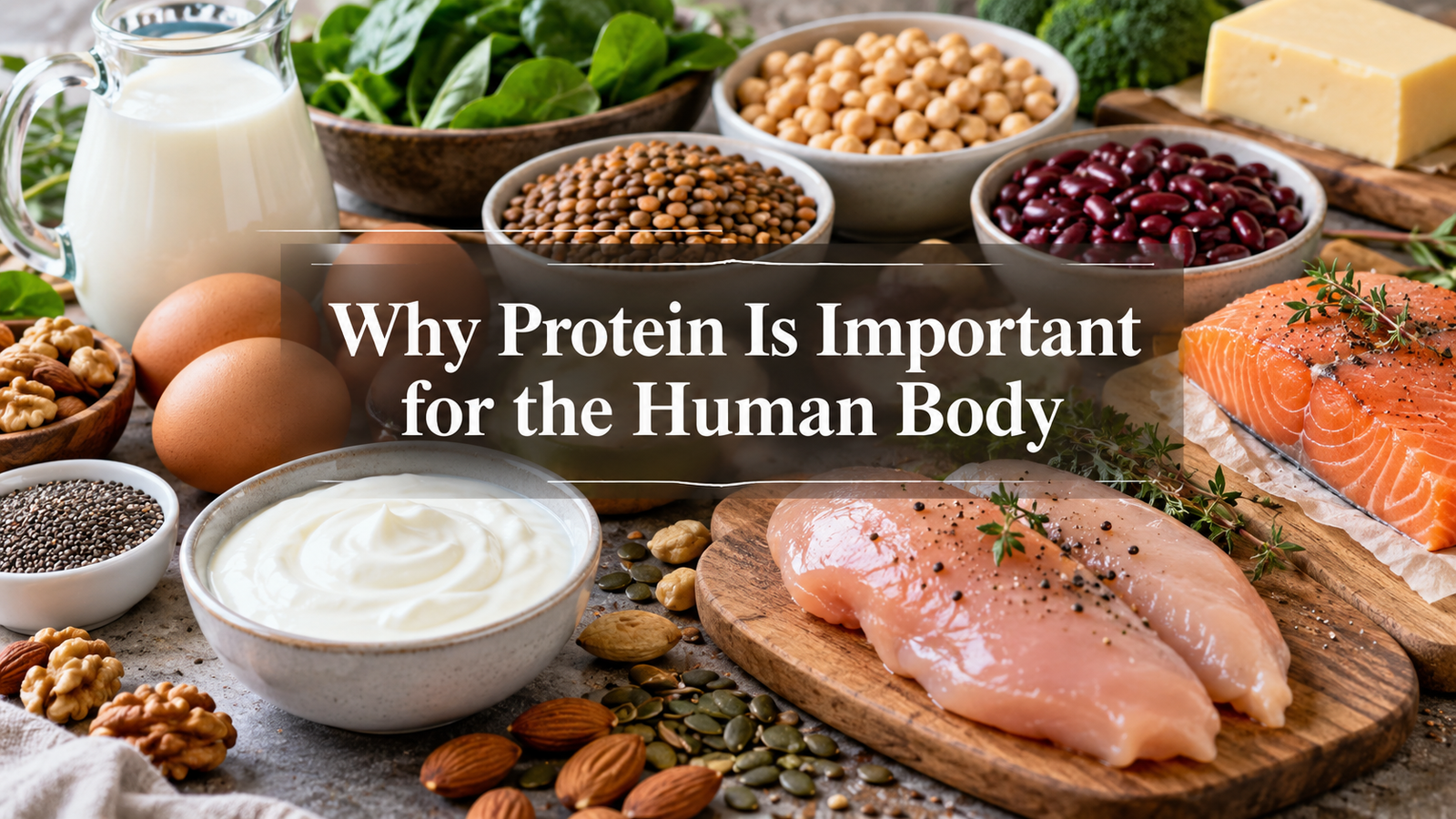
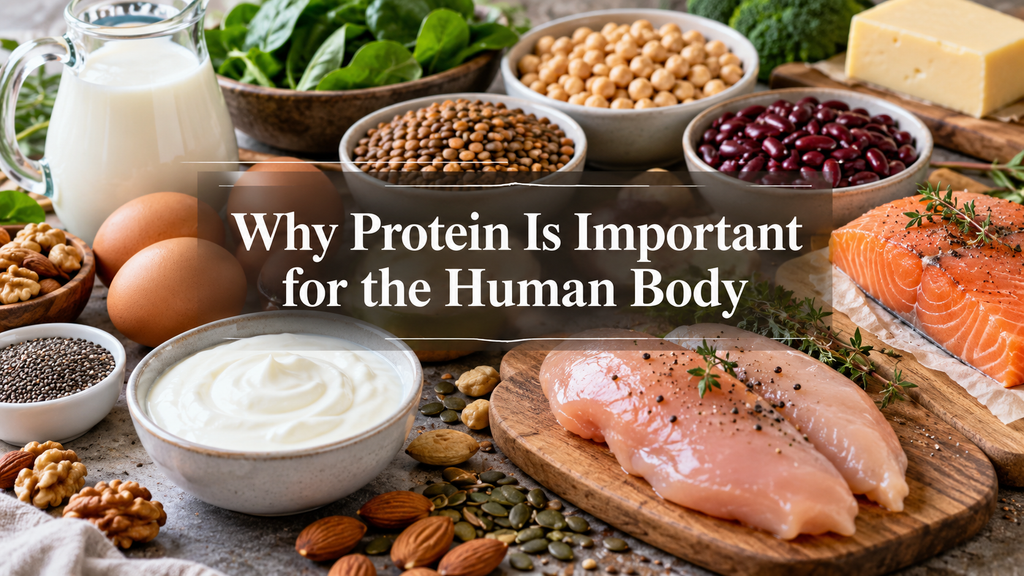
Foods such as eggs, milk, yogurt, meat, fish, chicken, beans, lentils, peas, nuts, and seeds can provide protein.
Once protein is eaten, the digestive system breaks it down into amino acids. The body then uses these amino acids to build and repair tissues and perform many other important functions.
Protein Helps Build and Repair Body Tissues
One of the main reasons protein is important for the human body is its role in building and repairing tissues.
Our bodies are constantly changing. Old cells are replaced, muscles experience small amounts of damage during daily activities, and tissues require regular repair.
Protein provides the materials needed for this repair process.
When someone exercises, for example, small changes occur in muscle tissue. Protein helps provide the amino acids needed to repair and strengthen those muscles.
Protein is also important during recovery from injuries because damaged tissues require nutrients to rebuild themselves.
This is why eating enough protein is important not only for athletes but also for everyone who wants to maintain healthy body tissues.
Protein Supports Muscle Health
Muscles contain large amounts of protein. Therefore, eating enough dietary protein is important for maintaining muscle mass and strength.
People who exercise regularly may pay more attention to protein because physical activity increases the body’s need for muscle repair.
However, muscle health is important even for people who do not participate in intense exercise.
As people grow older, they may naturally lose some muscle mass. A balanced diet that contains enough protein, combined with regular physical activity, can help support muscle strength.
Good protein sources such as eggs, fish, chicken, dairy foods, lentils, beans, nuts, and seeds can be included in everyday meals.
Protein Is Important for Growth and Development
Protein plays a major role in growth and development, especially during childhood, adolescence, and pregnancy.
Children need protein because their bodies are developing rapidly. New muscles, tissues, organs, and cells are being formed as they grow.
Teenagers also need adequate protein because adolescence is a period of significant physical development.
During pregnancy, the body requires nutrients to support both the mother and the developing baby. Protein contributes to the growth of new tissues.
This does not mean that extremely large amounts of protein are necessary. Instead, protein should be included as part of a varied and balanced diet.
Protein Helps Produce Enzymes
Many enzymes in the human body are made from proteins.
Enzymes are substances that help chemical reactions take place. Thousands of chemical reactions happen inside the body every day.
For example, digestive enzymes help break down food so the body can absorb nutrients.
Other enzymes are involved in processes related to energy production, muscle function, blood clotting, and many other activities.
Without enough of the nutrients required to make proteins, the body may have difficulty maintaining normal biological processes.
This shows that protein has functions far beyond simply building muscles.
Protein Helps Produce Hormones
Some hormones in the human body are made from proteins or amino acids.
Hormones act as chemical messengers. They travel through the body and help control different processes.
Certain hormones influence growth, metabolism, blood sugar regulation, appetite, and other important functions.
For example, insulin is a hormone that helps regulate blood sugar levels. Insulin itself is a protein.
The ability of the body to produce and use hormones correctly is part of a complex biological system, and protein provides some of the basic materials required for this process.
Protein Supports the Immune System
The immune system protects the body from harmful microorganisms and infections.
Protein plays an important role in supporting normal immune function.
Antibodies are proteins produced by the immune system. They help recognize and respond to foreign substances such as certain bacteria and viruses.
Immune cells also require nutrients to function properly.
A balanced diet containing enough protein, vitamins, minerals, healthy fats, and carbohydrates can help support overall immune health.
No single food can guarantee protection from illness, but adequate nutrition gives the body the materials it needs to carry out normal immune functions.
Protein Helps Transport Important Substances
Proteins also work as transport molecules inside the body.
For example, hemoglobin is a protein found in red blood cells. It helps carry oxygen from the lungs to tissues throughout the body.
Other proteins help transport vitamins, minerals, fats, and different substances through the bloodstream.
Without these transport proteins, many important nutrients and compounds would not reach the parts of the body where they are needed.
This transportation role is another reason why protein is essential for normal body function.
Protein Supports Healthy Skin, Hair, and Nails
Skin, hair, and nails contain structural proteins.
Keratin is a protein found in hair and nails, while collagen is an important protein found in skin and connective tissues.
The body continuously replaces old cells and produces new ones. Protein provides amino acids that contribute to these processes.
A balanced diet that contains adequate protein supports normal skin, hair, and nail structure.
However, appearance is influenced by many factors, including genetics, age, hydration, overall nutrition, stress, and health conditions.
Protein should therefore be considered one part of a complete healthy diet.
Protein Helps Maintain Body Structure
Proteins provide structure to many parts of the body.
Collagen is one of the most abundant proteins in the human body. It is found in skin, bones, tendons, ligaments, cartilage, and other connective tissues.
Other proteins help support the structure of cells and tissues.
The human body depends on these structural proteins to maintain strength, flexibility, and organization.
This is why protein can be described as one of the body’s main building materials.
Protein Can Help With Fullness
Protein can also contribute to feelings of fullness after eating.
Meals containing protein may help people feel satisfied for longer compared with meals that contain very little protein.
This can be useful for people trying to maintain balanced eating habits.
For example, breakfast containing eggs and yogurt may provide more lasting satisfaction than a meal consisting mainly of refined carbohydrates.
Similarly, adding lentils, beans, fish, chicken, or yogurt to meals can make them more nutritionally balanced.
Healthy weight management still depends on overall calorie intake, physical activity, sleep, food quality, and lifestyle habits, but protein can be an important part of a balanced meal.
Protein Can Provide Energy
The body mainly prefers carbohydrates and fats for energy, but protein can also provide energy when necessary.
Each gram of protein provides about four calories of energy.
However, using protein as the body’s main energy source is generally not its primary purpose.
Protein is more valuable for building tissues, making enzymes, supporting muscles, producing certain hormones, and performing many other functions.
Eating a balanced combination of carbohydrates, fats, and proteins allows each nutrient to perform its normal role effectively.
Animal Sources of Protein
Animal foods are common sources of protein.
Examples include eggs, chicken, fish, beef, mutton, milk, yogurt, and cheese.
Many animal proteins contain all the essential amino acids needed by the human body.
Eggs are especially popular because they provide high quality protein along with several vitamins and minerals.
Fish can provide protein as well as healthy fats, depending on the type of fish.
Milk and yogurt can provide protein together with calcium and other nutrients.
People who eat animal foods can include different sources throughout the week instead of depending on only one type of food.
Plant Sources of Protein
Protein can also be obtained from plant foods.
Good plant sources include lentils, beans, chickpeas, peas, soy foods, nuts, seeds, and certain whole grains.
Plant based protein foods can also provide fiber, vitamins, minerals, and beneficial plant compounds.
People who eat vegetarian diets can meet their protein needs by consuming a variety of protein rich plant foods.
Eating different plant foods throughout the day can provide a wide range of amino acids.
A meal containing lentils with rice, for example, provides protein from two different plant sources while also supplying carbohydrates and other nutrients.
How Much Protein Does the Body Need?
Protein requirements vary from person to person.
Factors such as age, body weight, physical activity, pregnancy, health status, and personal goals can influence how much protein someone needs.
For many healthy adults, nutrition guidelines commonly use body weight to estimate protein requirements.
People who exercise regularly, older adults, pregnant women, or individuals recovering from certain illnesses may have different needs.
However, more protein is not automatically better.
Very high protein intake is unnecessary for most people, especially if it causes other important food groups to be removed from the diet.
The goal should be to consume enough protein while still eating vegetables, fruits, whole grains, healthy fats, and other nutritious foods.
What Happens When Protein Intake Is Too Low?
Severe protein deficiency is uncommon in people who have access to a varied diet, but inadequate protein intake can still affect the body.
Possible signs of insufficient nutrition may include reduced muscle mass, weakness, slow recovery, poor growth in children, and other health problems.
However, these symptoms can have many causes and should not automatically be blamed on protein deficiency.
A person who believes they have a nutritional deficiency should speak with a qualified healthcare professional.
The best way to prevent nutritional deficiencies is generally to eat a varied diet containing different food groups.
Simple Ways to Add Protein to Everyday Meals
Adding protein to meals does not need to be complicated.
Eggs can be included at breakfast. Yogurt or milk can be added as part of a snack. Lentils and chickpeas can be used in soups, curries, and salads. Chicken or fish can be included in lunch or dinner. Nuts and seeds can be added to oatmeal, yogurt, or homemade snacks.
Beans are another affordable source of protein and can be combined with rice, vegetables, or whole grain foods.
The most useful approach is to spread protein containing foods across the day instead of depending on one very large protein meal.
Protein Should Be Part of a Balanced Diet
Protein is essential, but it is only one part of healthy nutrition.
The body also needs carbohydrates for energy, healthy fats for important biological functions, fiber for digestive health, vitamins and minerals for many processes, and water for hydration.
A healthy plate can include vegetables, whole grains or other quality carbohydrate sources, a protein food, and a moderate amount of healthy fat.
Different foods provide different nutrients, which is why variety is important.
Instead of focusing on only protein, people should aim for an overall eating pattern that supports long term health.
Final Thoughts
Protein is important for the human body because it supports growth, tissue repair, muscle health, enzyme production, hormone function, immunity, transportation of substances, and body structure.
It also contributes to healthy skin, hair, nails, and connective tissues while helping meals feel more satisfying.
Protein can come from both animal and plant foods. Eggs, fish, chicken, milk, yogurt, lentils, beans, chickpeas, nuts, and seeds are all useful protein sources.
The best approach is not to consume extreme amounts of protein but to include suitable protein foods regularly as part of a balanced diet.
Understanding why protein is important for the human body makes it easier to appreciate the role of everyday foods in maintaining health. When protein is combined with vegetables, fruits, whole grains, healthy fats, adequate water, good sleep, and regular physical activity, it becomes part of a lifestyle that supports the body throughout every stage of life.