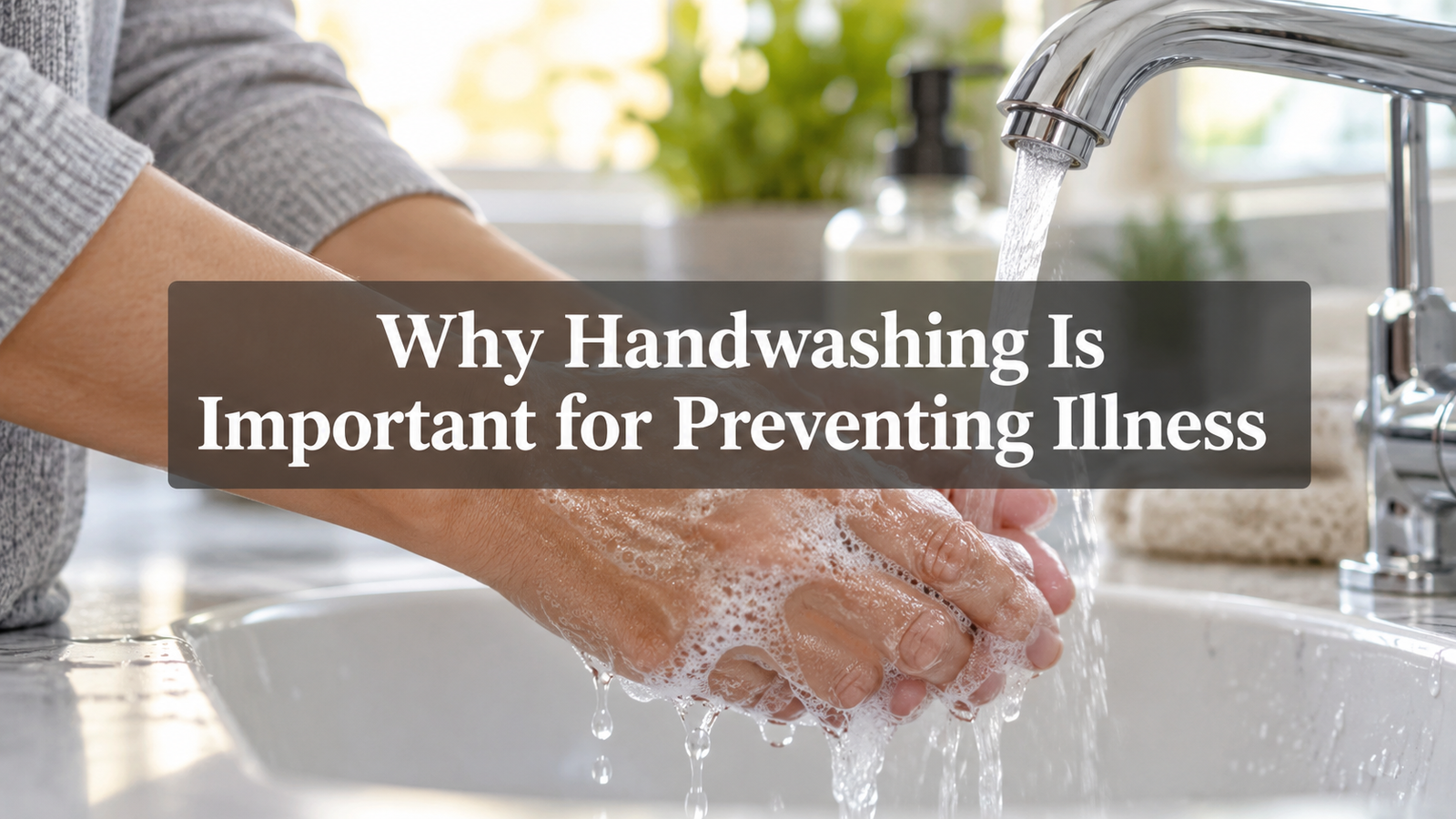
Handwashing is one of the simplest habits we learn, yet it plays a very important role in protecting health. Our hands touch countless surfaces every day, including doors, phones, tables, money, food, keyboards, bathroom fixtures, and public objects. Many of these surfaces can carry germs that are too small to see. When we touch our face, prepare food, eat, or shake hands with another person, those germs can move from one place to another.
This is why handwashing is important for preventing illness. Washing the hands properly with soap and clean water helps remove dirt, bacteria, viruses, and other microorganisms that may cause disease. It does not require expensive equipment or complicated knowledge. It is a simple daily habit that can help protect individuals, families, workplaces, schools, and entire communities.
Understanding how handwashing works makes it easier to appreciate why this habit is so valuable.
How Germs Get Onto the Hands
Our hands are constantly involved in daily activities. We use them to open doors, carry bags, prepare meals, use mobile phones, touch railings, handle money, and perform many other tasks. Each contact provides an opportunity for microorganisms to move onto the skin.
Some germs may come from contaminated surfaces, while others may spread through coughing, sneezing, food preparation, bathroom use, contact with animals, or close contact with another person.
The skin itself naturally carries microorganisms. Many of them are harmless, but harmful germs can also remain on the hands after touching contaminated objects.
The problem begins when these germs are transferred to places where they can enter the body.
A person may touch the eyes, nose, or mouth without even realizing it. This can give certain viruses and bacteria a chance to enter the body. Germs can also be transferred to food, drinks, kitchen surfaces, and other people.
Regular handwashing helps interrupt this chain of transmission.
Why Soap Makes Handwashing More Effective
Rinsing the hands with water alone may remove some visible dirt, but soap makes handwashing much more effective.
Soap helps loosen oils, dirt, and microorganisms from the surface of the skin. When the hands are rubbed together, the friction created during washing helps lift germs away from the skin. Running water then carries much of this material away.
This is one reason proper handwashing involves more than quickly placing the hands under a tap.
The hands should be rubbed carefully so that the palms, backs of the hands, fingers, thumbs, fingertips, and areas around the nails are cleaned.
These areas are easy to miss, especially when someone is in a hurry.
A careful washing routine gives soap and friction enough time to work effectively.
Handwashing Helps Reduce the Spread of Respiratory Illnesses
Respiratory illnesses can spread in several ways. Some germs move through droplets released when an infected person coughs or sneezes. Others can remain on surfaces for a period of time.
A person may touch a contaminated surface and then touch the nose, mouth, or eyes.
This is where handwashing becomes important.
By cleaning the hands regularly, people can reduce the chance of transferring germs from surfaces to the face.
Handwashing is especially helpful after coughing, sneezing, blowing the nose, using public transport, visiting crowded places, or caring for someone who is unwell.
It should be viewed as one part of a broader approach to hygiene, along with covering coughs, keeping frequently touched surfaces clean, and avoiding close contact with others when seriously ill.
Handwashing Helps Prevent Digestive Illness
Some illnesses spread when germs from contaminated hands enter food or the mouth.
This can happen when someone uses the toilet and does not wash properly afterward. Germs may remain on the hands and later reach food, kitchen utensils, door handles, or other people.
Certain bacteria, viruses, and parasites can cause stomach pain, diarrhea, vomiting, and other digestive symptoms.
Proper handwashing after using the bathroom is therefore one of the most important personal hygiene habits.
It is also important before preparing food and before eating.
These simple actions can reduce the chance of transferring harmful microorganisms into the digestive system.
The Importance of Handwashing Before Preparing Food
Food preparation involves frequent hand contact.
We touch vegetables, meat, utensils, cutting boards, containers, spices, and kitchen surfaces. If the hands are not clean, germs may move from one item to another.
Handwashing should be done before starting food preparation and again when necessary during cooking.
For example, hands should be cleaned after handling raw meat, poultry, seafood, or eggs before touching ready to eat foods.
This reduces the risk of cross contamination.
Cross contamination occurs when germs move from one food or surface to another. It can happen very easily in a busy kitchen.
Clean hands, clean utensils, and clean work surfaces are all important parts of safe food preparation.
Why Children Need Good Handwashing Habits
Children often explore the world with their hands.
They touch toys, floors, playground equipment, desks, pets, food, and many other objects throughout the day. Younger children may also touch their mouths or faces frequently.
For this reason, teaching proper handwashing at an early age can be extremely valuable.
Children should learn to wash their hands before eating, after using the toilet, after playing outside, after coughing or sneezing, and whenever the hands are visibly dirty.
The goal is not to make children afraid of germs. Instead, handwashing should be presented as a normal part of everyday life.
When parents, teachers, and caregivers demonstrate good hygiene themselves, children are more likely to copy those habits.
Handwashing in Schools and Workplaces
Schools and workplaces bring many people together in shared spaces.
Desks, keyboards, door handles, washrooms, elevators, shared tools, and communal eating areas are touched repeatedly throughout the day.
This creates many opportunities for germs to move between people.
Regular handwashing can help reduce this spread.
Good hygiene facilities are also important. People are more likely to wash their hands properly when clean water, soap, and suitable drying facilities are available.
Workplaces and schools can encourage healthy habits by keeping washrooms clean and providing simple reminders about hand hygiene.
Small improvements in hygiene can make shared environments more comfortable and healthier for everyone.
When Should You Wash Your Hands?
Handwashing is especially useful at certain times during the day.
Important times include before eating, before preparing food, after using the toilet, after changing a diaper, after coughing or sneezing, after blowing the nose, after touching garbage, after handling raw food, after caring for a sick person, and after contact with animals or animal waste.
It is also wise to wash the hands after returning home from crowded public places or whenever they feel or look dirty.
There is no need to wash the hands every few minutes during normal daily life.
The main goal is to wash them at the right moments when the chance of spreading germs is higher.
How to Wash Hands Properly
Proper technique makes a major difference.
Start by wetting the hands with clean running water. Apply enough soap to cover the surfaces of both hands.
Rub the palms together and then clean the backs of the hands. Rub between the fingers and around the thumbs. Pay attention to the fingertips and areas near the nails because dirt and microorganisms can collect there.
Continue rubbing the hands for about 20 seconds.
After washing, rinse thoroughly under clean running water.
Dry the hands with a clean towel, disposable paper towel, or suitable hand dryer.
Drying is an important part of the process because wet hands can transfer microorganisms more easily than completely dry hands.
What About Hand Sanitizer?
Soap and water are generally preferred when the hands are visibly dirty or greasy.
However, alcohol based hand sanitizer can be useful when soap and water are not available.
Hand sanitizer is convenient while traveling, shopping, working, or spending time in places where washing facilities are limited.
The sanitizer should contain an appropriate alcohol concentration and should be rubbed over all surfaces of the hands until they are dry.
Sanitizer is useful, but it does not replace handwashing in every situation.
For example, after using the toilet or handling certain types of dirt, soap and water are usually the better choice.
Handwashing Protects Other People Too
One of the most valuable things about handwashing is that it does not only protect the person washing their hands.
It also helps protect others.
A person can sometimes carry germs without feeling sick. If they prepare food, touch shared surfaces, care for children, or shake hands with others, those germs may spread.
Cleaning the hands helps reduce that possibility.
This becomes especially important around older adults, babies, pregnant women, and people whose immune systems are weaker.
Good hygiene is therefore both a personal habit and a form of consideration for other people.
The Role of Handwashing During Illness
When someone is already sick, handwashing becomes even more important.
Coughing, sneezing, blowing the nose, and touching the face can place microorganisms on the hands.
If the person then touches door handles, phones, dishes, taps, or furniture, those germs may be transferred to other people.
Washing the hands frequently can help reduce the amount of contamination on shared surfaces.
Family members who care for someone who is ill should also wash their hands regularly, especially before preparing food and after providing direct care.
Good hygiene does not guarantee that an illness will never spread, but it can significantly reduce unnecessary transmission.
Why Handwashing Is Better Than Relying Only on Cleaning Surfaces
Cleaning frequently touched surfaces is useful, but surface cleaning alone is not enough.
People continue to touch objects throughout the day. Even a recently cleaned surface can become contaminated again.
Handwashing provides another layer of protection.
Instead of trying to keep every object completely free from germs at all times, people can reduce risk by cleaning their hands at important moments.
The most practical approach combines regular handwashing with reasonable cleaning of frequently touched surfaces.
Handwashing and Community Health
The benefits of handwashing become even greater when many people practice it consistently.
In communities where people wash their hands before preparing food and after using the toilet, the spread of certain infections can be reduced.
Schools can experience fewer hygiene related problems. Families may have fewer opportunities for germs to pass from one person to another. Food handling may become safer.
The habit is simple, but the collective effect can be powerful.
This is why hand hygiene is regularly promoted in homes, schools, hospitals, food businesses, and public health programs around the world.
Common Handwashing Mistakes
Many people wash their hands, but they may not always wash them effectively.
One common mistake is washing too quickly.
Another is cleaning only the palms while forgetting the backs of the hands, fingertips, thumbs, and spaces between the fingers.
Some people also use too little soap or rinse before enough rubbing has taken place.
Another mistake is touching a dirty surface immediately after washing.
For example, if possible, avoid touching heavily contaminated objects before leaving the washing area.
Paying attention to small details can make hand hygiene more effective.
Can Too Much Handwashing Be a Problem?
Regular handwashing is healthy, but excessive washing can sometimes dry or irritate the skin.
People who wash their hands very frequently, such as healthcare workers or food handlers, may experience dryness.
Using a gentle soap and applying a suitable moisturizer can help protect the skin.
Healthy skin matters because cracked or damaged skin can become uncomfortable and may make regular washing more difficult.
The aim is balanced hygiene, not constant washing without reason.
Handwashing Is a Simple Habit With a Big Effect
Modern health advice can sometimes feel complicated. People hear about diets, supplements, exercise routines, sleep schedules, and many other habits.
Handwashing is different because it is simple, inexpensive, and easy to practice almost anywhere.
It requires only a little time, soap, and clean water.
Yet this small action can reduce the movement of harmful microorganisms from surfaces to the body and from one person to another.
That is what makes handwashing such an important part of everyday health.
Final Thoughts
Handwashing is important for preventing illness because our hands are one of the main ways germs move through daily life. We touch surfaces, food, people, and our own faces constantly. Without proper hygiene, bacteria, viruses, and other microorganisms can easily travel from one place to another.
Washing the hands with soap and clean water helps break this chain.
It is especially important before eating or preparing food, after using the toilet, after coughing or sneezing, after handling raw foods, and after caring for someone who is sick.
The habit is easy to overlook because it seems so ordinary. However, simple habits often have the greatest value when they are practiced consistently.
Good handwashing does not require fear of germs or an obsession with cleanliness. It is simply a practical way to reduce unnecessary exposure and support better health.
By washing our hands at the right times and using proper technique, we can protect ourselves while also helping protect the people around us. That makes handwashing one of the most useful and effective hygiene habits in everyday life.