
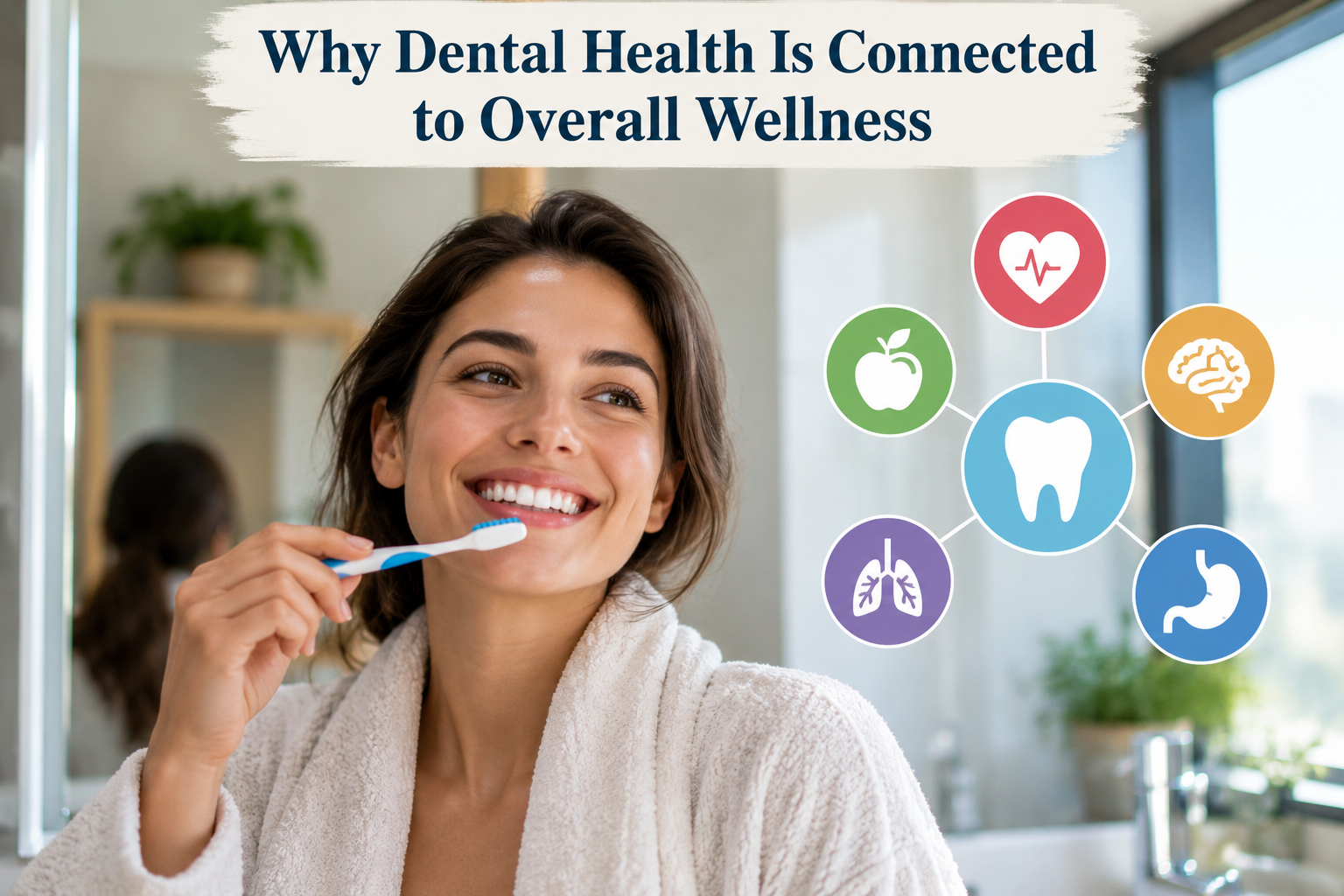
Dental health is often viewed as something separate from the rest of the body. Many people think about their teeth only when they feel pain, notice a cavity, or need a dental cleaning. However, oral health is closely connected to overall wellness. The mouth is not an isolated part of the body. It is connected to the digestive system, immune system, blood circulation, and many daily habits that influence general health.
Healthy teeth and gums make it easier to eat, speak, smile, and live comfortably. At the same time, problems in the mouth may affect other areas of life. Poor oral hygiene can lead to gum problems, bad breath, discomfort, difficulty chewing, and reduced confidence. In some cases, oral health problems may also be associated with broader health concerns.
Understanding the connection between dental health and overall wellness can help people take better care of both their mouth and their body.
The Mouth Is Part of the Whole Body
The mouth is the first part of the digestive system. Food enters through the mouth, where the teeth break it into smaller pieces and saliva begins the digestive process.
This means healthy teeth play an important role in nutrition. When teeth are strong and comfortable, a person can chew a wider variety of foods. Fruits, vegetables, nuts, whole grains, and other nutritious foods often require proper chewing.
If someone has painful teeth, missing teeth, or sensitive gums, they may avoid certain foods. Over time, this may affect the quality and variety of their diet.
Good dental health therefore supports more than a healthy smile. It can also help a person maintain normal eating habits and balanced nutrition.
Oral Bacteria Are a Natural Part of the Mouth
The human mouth naturally contains many types of bacteria. Most of these microorganisms are harmless when the mouth is kept clean and healthy.
Problems may begin when plaque builds up around the teeth and gums.
Plaque is a soft layer that contains bacteria, food particles, and other substances. If plaque is not removed through regular brushing and cleaning between the teeth, it can contribute to tooth decay and gum irritation.
The body usually works constantly to control bacteria. Saliva helps wash away food particles, while the immune system helps manage harmful microorganisms.
Daily oral hygiene supports these natural protective processes.
Healthy Gums Matter for Overall Wellness
Many people focus on their teeth while paying less attention to their gums. However, healthy gums are an important part of dental health.
Gums support and protect the structures around the teeth. When plaque remains along the gum line, the gums may become red, swollen, or sensitive.
Early gum irritation may cause bleeding during brushing or flossing.
If gum problems become more serious, they may affect the tissues that help hold the teeth in place.
Maintaining healthy gums is important because the gums are living tissues with blood vessels and immune activity. Keeping them clean helps support a healthy environment inside the mouth.
Dental Health and Inflammation
Inflammation is one of the body’s natural responses to irritation, injury, or infection.
When gums become irritated by bacteria, inflammation can occur. Mild inflammation may appear as redness, swelling, or bleeding.
Short term inflammation is part of the body’s normal defense system. However, ongoing inflammation may place additional stress on body tissues.
This is one reason researchers have studied the relationship between gum health and general wellness.
Good oral hygiene helps reduce plaque and supports healthier gums, which may reduce unnecessary irritation inside the mouth.
Dental Health Can Affect Eating Habits
Healthy teeth make it easier to enjoy a balanced diet.
Foods such as apples, carrots, nuts, seeds, salads, and whole grains often require strong and comfortable chewing.
When someone experiences tooth pain, loose teeth, or gum discomfort, softer foods may become more appealing.
Sometimes these softer foods are highly processed and may contain more added sugar or refined carbohydrates.
This does not mean everyone with dental problems will have poor nutrition. However, comfortable chewing makes it easier to choose from a wide range of healthy foods.
Protecting dental health therefore supports normal eating and nutrition throughout life.
Good Oral Health Supports Comfortable Digestion
Digestion begins before food reaches the stomach.
Chewing physically breaks food into smaller pieces. Saliva also mixes with food and contains substances that begin breaking down certain nutrients.
When food is properly chewed, it becomes easier to swallow.
Healthy teeth support this process by helping the mouth perform the first stage of digestion effectively.
People with serious dental discomfort may chew quickly, avoid one side of the mouth, or swallow food before it has been broken down properly.
Maintaining strong teeth and healthy gums helps support comfortable eating and digestion.
Dental Health Can Influence Confidence
Overall wellness includes emotional and social wellbeing, not only physical health.
Teeth can influence how comfortable people feel when speaking, laughing, or smiling around others.
Dental problems such as persistent bad breath, visible tooth damage, or missing teeth may sometimes reduce confidence.
Some people may avoid social situations because they feel uncomfortable about their smile.
Good dental care can help people feel more comfortable when communicating with others.
A healthy smile does not need to be perfect. The goal is to keep the mouth clean, comfortable, and functional.
Oral Health and Daily Comfort
Tooth pain can affect concentration, eating, sleeping, and mood.
Even a small dental problem may become distracting when discomfort continues throughout the day.
Someone with tooth sensitivity may avoid cold drinks. Someone with gum irritation may find brushing uncomfortable. A person with severe tooth pain may have difficulty sleeping properly.
These examples show how dental health can influence daily quality of life.
Regular dental care can help identify problems before they become more uncomfortable.
The Connection Between Oral Health and Heart Health
Researchers have studied possible connections between gum disease and cardiovascular health.
People with serious gum problems may also have higher levels of inflammation in the body. Some studies have found associations between gum disease and certain cardiovascular conditions.
However, an association does not always mean that one condition directly causes another.
Many shared risk factors may be involved, including smoking, diet, age, inflammation, and lifestyle habits.
For this reason, dental care should be viewed as one part of a healthy lifestyle rather than a replacement for medical care.
Brushing, flossing, exercising, eating well, and attending health checkups can all contribute to overall wellness.
Dental Health and Blood Sugar Management
There is also an important relationship between gum health and blood sugar regulation.
People with poorly controlled blood sugar may have a higher risk of gum problems. At the same time, serious gum inflammation may make general health management more difficult for some individuals.
This connection shows why oral health should not be ignored when managing long term health conditions.
People who have diabetes or other medical conditions should discuss oral care with qualified healthcare professionals when needed.
Regular dental visits can also help monitor the condition of the gums and teeth.
The Role of Saliva in Oral Wellness
Saliva is one of the mouth’s natural protective systems.
It helps wash away food particles, neutralize certain acids, support swallowing, and protect tooth surfaces.
A dry mouth may increase discomfort and make it easier for plaque to build up.
Many factors can contribute to dry mouth, including dehydration, certain medications, illness, and normal changes with age.
Drinking enough water may support normal saliva production.
Sugar free chewing gum may also stimulate saliva for some people.
Anyone experiencing persistent dry mouth should consider discussing it with a dentist or healthcare professional.
Why Tooth Decay Can Affect Overall Quality of Life
Tooth decay develops when bacteria in the mouth produce acids that gradually damage tooth enamel.
Sugary foods and drinks can increase this process, especially when consumed frequently.
Small cavities may not cause noticeable symptoms at first.
As decay progresses, a person may experience sensitivity or pain.
Untreated dental problems can interfere with eating, sleeping, studying, working, and normal daily activities.
Preventing tooth decay therefore supports overall comfort and quality of life.
Regular brushing with fluoride toothpaste, limiting frequent sugary snacks, and visiting a dentist can help protect teeth.
Brushing Supports More Than Fresh Breath
Brushing is one of the most important daily habits for maintaining dental health.
It removes food particles and plaque from tooth surfaces.
Most people should brush their teeth twice a day using a soft toothbrush and fluoride toothpaste.
Brushing should be gentle because aggressive brushing may irritate the gums.
The goal is not to scrub as hard as possible. The goal is to clean every area carefully.
Brushing the tongue can also help remove bacteria and improve mouth freshness.
Cleaning Between the Teeth Is Important
A toothbrush cannot always reach the narrow spaces between teeth.
This is why flossing or another suitable method of interdental cleaning can be useful.
Food particles and plaque may remain between the teeth even after brushing.
Daily cleaning between the teeth can support gum health and reduce plaque buildup in areas that toothbrush bristles cannot easily reach.
Different products are available, including dental floss, interdental brushes, and water based cleaning devices.
A dentist can help recommend the most suitable option for individual needs.
Diet Plays an Important Role in Dental Health
Food choices influence both oral health and general wellness.
Frequent consumption of sugary foods and drinks can increase the risk of tooth decay.
Bacteria in the mouth use sugars and produce acids. These acids can gradually weaken tooth enamel.
This does not mean sugar must be completely avoided. The frequency of sugar intake is also important.
Eating sweets occasionally with a meal may be less harmful than frequently sipping sweet drinks throughout the day.
A balanced diet that includes vegetables, fruits, dairy foods, protein sources, whole grains, and enough water can support both dental health and general nutrition.
Water Supports a Healthy Mouth
Water is one of the simplest drinks for supporting dental health.
It helps rinse food particles from the mouth and supports normal saliva production.
Fluoridated water, where available, can also help strengthen tooth enamel.
Replacing some sugary drinks with water may reduce frequent sugar exposure to the teeth.
Water also supports hydration throughout the body, making it beneficial for overall wellness.
Smoking Can Harm Oral Health
Smoking is strongly associated with several oral health problems.
It can contribute to gum disease, tooth discoloration, bad breath, delayed healing, and other serious conditions.
Tobacco use may also reduce the ability of gum tissue to respond normally to infection.
Quitting smoking can therefore benefit both dental health and overall wellness.
People who want to stop smoking may benefit from professional support, counseling, or approved smoking cessation programs.
Regular Dental Checkups Can Help Detect Problems Early
Many dental problems develop gradually.
A person may have early tooth decay or gum disease without feeling significant pain.
Dental examinations allow professionals to check the teeth, gums, mouth tissues, and bite.
Professional cleaning can also remove hardened deposits that ordinary brushing may not remove easily.
The ideal frequency of dental visits varies depending on individual risk, age, health history, and existing dental conditions.
Some people may need more frequent visits than others.
Daily Habits Have a Large Impact
Dental health is often influenced by small habits repeated every day.
Brushing twice daily, cleaning between teeth, limiting frequent sugary snacks, drinking enough water, and avoiding tobacco can make a meaningful difference over time.
These habits are simple, but consistency is important.
The same principle applies to overall wellness.
Regular sleep, balanced meals, physical activity, hydration, and preventive healthcare all work best when practiced consistently.
Dental care fits naturally into this broader approach to health.
Dental Health Changes With Age
Oral health needs may change throughout life.
Children need support while learning proper brushing habits.
Teenagers may face challenges related to braces, sugary drinks, or irregular routines.
Adults may experience gum problems, tooth wear, or sensitivity.
Older adults may have additional concerns such as dry mouth, missing teeth, dentures, or difficulty cleaning certain areas.
Good dental care should therefore continue at every stage of life.
Age does not make dental hygiene less important. In many cases, regular oral care becomes even more valuable over time.
A Healthy Mouth Supports a Healthy Lifestyle
Dental health should be viewed as one part of complete personal wellness.
Strong teeth help people eat comfortably. Healthy gums support the tissues around the teeth. Good oral hygiene helps control plaque and bacteria.
A comfortable mouth also makes speaking, smiling, and socializing easier.
These benefits can support physical comfort, nutrition, confidence, and everyday quality of life.
The connection between oral health and general wellness reminds us that the body functions as one complete system.
Taking care of the mouth is therefore not only about preventing cavities. It is also about supporting healthy daily living.
Final Thoughts
Dental health is closely connected to overall wellness because the mouth plays an important role in eating, digestion, communication, comfort, and daily life.
Healthy teeth and gums allow people to enjoy nutritious foods, speak clearly, smile confidently, and live with less discomfort.
Good oral hygiene may also help reduce unnecessary inflammation and support the body’s natural protective systems.
Simple habits can make a major difference. Brush regularly, clean between the teeth, drink enough water, limit frequent sugary foods, avoid tobacco, and visit a dental professional when appropriate.
Dental care should not be considered separate from general health. A healthy mouth is part of a healthy body, and protecting it is an important part of long term wellness.