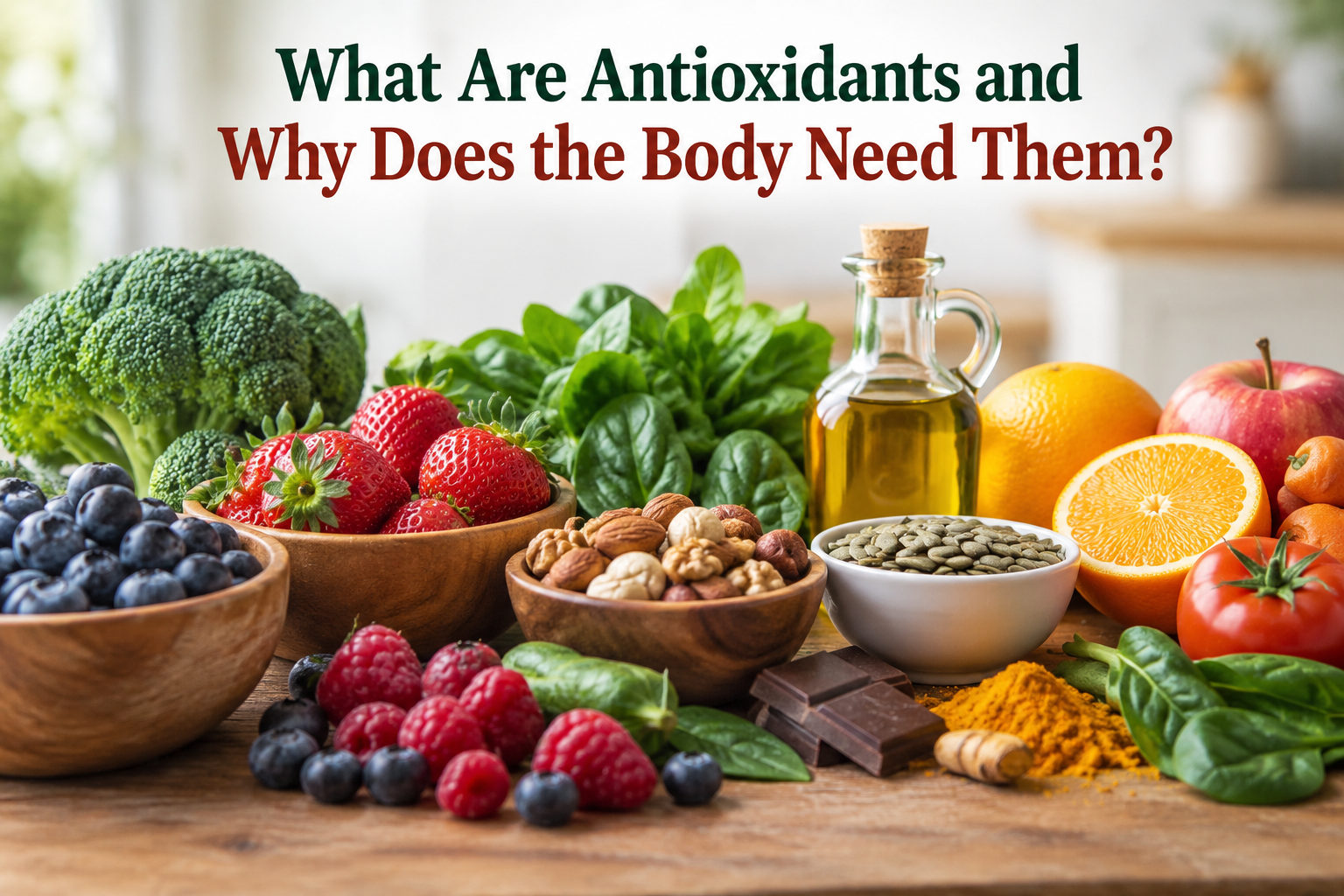
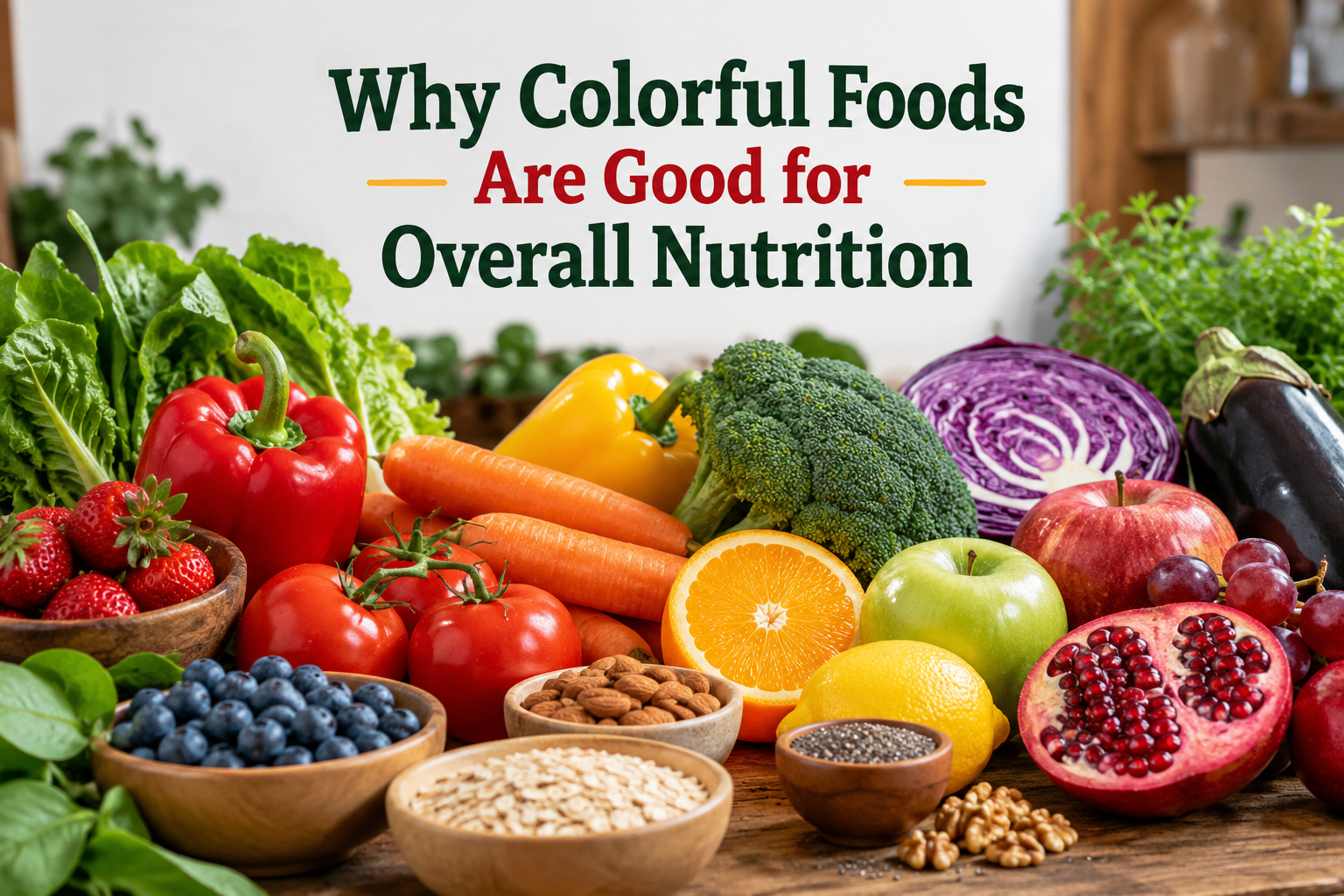
Food is not only about taste, hunger, and energy. The colors on our plate can also tell us something about the nutrients we are eating. Fruits, vegetables, beans, herbs, nuts, and other natural foods come in many different colors because they contain different plant compounds, vitamins, minerals, and antioxidants. This is one reason why eating colorful foods can support overall nutrition.
A healthy diet does not need to be complicated. One simple approach is to include a variety of naturally colorful foods throughout the week. Red tomatoes, orange carrots, yellow peppers, green spinach, purple cabbage, blueberries, and white onions all provide different nutrients. When these foods are combined in a balanced diet, they can help the body receive a wider range of important nutrients.
Eating colorful foods is sometimes called eating the rainbow. This does not mean that every meal must contain every color. It simply means choosing different fruits and vegetables regularly instead of eating the same few foods every day.
What Makes Foods Colorful?
The natural colors in plant foods come from pigments and other compounds. These compounds often have important biological functions in the plants themselves. Some help plants absorb sunlight, while others help protect them from environmental stress.
When people eat these foods, they also receive many of the nutrients and plant compounds they contain.
For example, carrots get their orange color mainly from carotenoids. Tomatoes contain a red pigment called lycopene. Spinach contains chlorophyll along with several vitamins and minerals. Blueberries contain compounds known as anthocyanins, which contribute to their dark blue and purple shades.
Color is therefore more than just an attractive feature of food. In many cases, it can provide a useful clue about the types of nutrients and plant compounds present.
Red Foods and Their Nutritional Value
Red foods can add both flavor and nutrition to meals. Tomatoes, red peppers, watermelon, strawberries, cherries, red apples, and pomegranates are common examples.
Many red foods contain antioxidants and vitamin C. Tomatoes and watermelon are known for containing lycopene, a carotenoid that has been widely studied for its antioxidant properties.
Strawberries, red peppers, and other red fruits and vegetables can also provide vitamin C, which contributes to normal immune function and helps the body absorb iron from plant based foods.
Red foods can be included in salads, sandwiches, soups, sauces, smoothies, or snacks. Even small changes, such as adding tomato slices to a meal or eating strawberries with breakfast, can make a diet more varied.
Orange Foods Provide Important Nutrients
Orange fruits and vegetables include carrots, sweet potatoes, pumpkin, oranges, mangoes, apricots, and orange peppers.
Many orange vegetables contain beta carotene. The body can convert beta carotene into vitamin A, which plays an important role in normal vision, immune function, skin health, and cell development.
Carrots and sweet potatoes are especially well known for their beta carotene content.
Orange fruits such as oranges and mandarins are also rich in vitamin C. Mangoes provide vitamin C, vitamin A related compounds, and several other nutrients.
Adding orange foods to the diet can be simple. Carrots can be eaten raw or cooked. Sweet potatoes can be baked. Pumpkin can be added to soups. Oranges and mangoes can be enjoyed as naturally sweet snacks.
Yellow Foods Add Variety to the Diet
Yellow foods include bananas, yellow peppers, corn, pineapple, lemons, yellow squash, and some varieties of apples.
These foods can provide a mixture of vitamins, minerals, fiber, and natural plant compounds.
Bananas are a familiar source of potassium and carbohydrate. Pineapple provides vitamin C and manganese. Yellow peppers can provide vitamin C along with several antioxidant compounds.
Lemons may not always be eaten in large amounts, but they can add flavor to water, salads, vegetables, and many cooked dishes.
Yellow foods are useful because they increase dietary variety. They also make meals visually attractive, which may encourage people to enjoy more fruits and vegetables.
Green Foods Are an Important Part of Healthy Eating
Green foods are some of the most nutrient dense foods available. Examples include spinach, broccoli, peas, lettuce, cucumbers, green beans, cabbage, avocado, kale, and fresh herbs.
Leafy green vegetables can provide vitamin K, folate, vitamin C, carotenoids, and minerals. Broccoli contains fiber, vitamin C, vitamin K, and several plant compounds.
Green peas provide carbohydrate, fiber, protein, and micronutrients. Avocado contains healthy unsaturated fats along with fiber and several vitamins and minerals.
Green vegetables can be added to many types of meals. Spinach can be included in eggs, curries, soups, and salads. Broccoli can be steamed or roasted. Cucumbers can be served with lunch or dinner. Fresh herbs can improve both flavor and nutritional variety.
Including several different green foods throughout the week is a practical way to improve overall nutrition.
Blue and Purple Foods Contain Valuable Plant Compounds
Blue and purple foods include blueberries, blackberries, purple grapes, eggplant, purple cabbage, plums, and some varieties of potatoes.
Many of these foods contain anthocyanins. These are natural pigments that create red, blue, and purple colors in plants.
Anthocyanins are part of a larger group of compounds known as flavonoids. They have antioxidant properties and are being studied for their possible role in supporting long term health.
Purple cabbage is an especially useful food because it is affordable in many places, easy to prepare, and rich in vitamin C and other nutrients.
Eggplant can also be used in many cooked dishes. Grapes and plums make convenient snacks, while berries can be added to yogurt, oats, or smoothies.
White and Brown Foods Should Not Be Ignored
A colorful diet does not mean avoiding foods that are white, beige, or brown.
Cauliflower, garlic, onions, mushrooms, potatoes, beans, oats, nuts, seeds, and whole grains can all be highly nutritious.
Garlic and onions contain sulfur containing compounds that contribute to their characteristic smell and flavor. Cauliflower provides vitamin C, fiber, and several plant compounds.
Mushrooms provide B vitamins and minerals, although their nutrient content can vary depending on the type.
Whole grains such as oats and brown rice provide carbohydrates, fiber, and important nutrients. Nuts and seeds can provide healthy fats, protein, minerals, and antioxidants.
The goal is variety rather than choosing foods only because they are brightly colored.
Colorful Foods Help Increase Nutrient Variety
One of the greatest benefits of eating colorful foods is that it naturally encourages dietary variety.
No single fruit or vegetable contains every nutrient the body needs. Different foods provide different combinations of vitamins, minerals, fiber, antioxidants, and other useful compounds.
Someone who eats only a few vegetables repeatedly may still have a reasonably healthy diet, but adding greater variety can improve the range of nutrients consumed.
For example, spinach provides nutrients that are different from those found in carrots. Tomatoes provide different plant compounds than blueberries. Beans contribute nutrients that are different from oranges.
By rotating foods and choosing several colors, people can create a more diverse diet without needing to calculate every vitamin or mineral.
Colorful Foods Are Often High in Fiber
Many naturally colorful foods are also good sources of dietary fiber.
Fiber is found in fruits, vegetables, beans, whole grains, nuts, and seeds. It supports normal digestion and helps maintain regular bowel movements.
Fiber also helps food move through the digestive system and can contribute to feelings of fullness after meals.
Different types of plant foods contain different types of fiber. This is another reason dietary variety matters.
Apples, berries, carrots, broccoli, beans, peas, oats, and many other foods can all contribute to daily fiber intake.
Instead of depending on a single high fiber food, eating a combination of plant foods throughout the day is often a more balanced approach.
Colorful Foods Can Support a Balanced Diet
A balanced diet includes suitable amounts of carbohydrates, protein, fats, vitamins, minerals, fiber, and water.
Colorful fruits and vegetables play an important role, but they are only one part of a complete diet.
A nutritious plate might contain vegetables, a source of protein, a whole grain or another carbohydrate source, and a small amount of healthy fat.
For example, a meal could include grilled chicken, brown rice, spinach, tomatoes, carrots, and cucumber. Another meal might include lentils, whole grain bread, cabbage, peppers, and yogurt.
The colors make meals more interesting while also increasing nutritional diversity.
Antioxidants Are Common in Colorful Plant Foods
Many colorful plant foods are naturally rich in antioxidants.
Antioxidants are substances that help protect cells from oxidative damage caused by unstable molecules known as free radicals.
The body has its own antioxidant defense systems, but nutrients and plant compounds from food can also contribute.
Vitamin C, vitamin E, carotenoids, flavonoids, and polyphenols are examples of compounds with antioxidant activity.
Rather than focusing on one specific antioxidant, it is better to eat a wide range of whole foods that naturally contain many beneficial compounds.
This is another reason colorful eating can be useful. Different colors often represent different families of plant compounds.
Colorful Meals Can Make Healthy Eating More Enjoyable
Nutrition is not only about chemistry. Appearance also affects the eating experience.
A plate containing several natural colors often looks more appealing than a plate containing only one or two colors.
Imagine a salad with green lettuce, red tomatoes, orange carrots, yellow peppers, purple cabbage, and white onions. The variety of colors, textures, and flavors can make the meal more enjoyable.
This may be especially helpful for people who find vegetables boring.
Trying different cooking methods can also improve the experience. Vegetables can be roasted, steamed, grilled, blended into soups, added to curries, or served raw.
Healthy eating becomes easier to maintain when food is enjoyable rather than feeling like a strict rule.
How to Add More Color to Everyday Meals
Adding more colorful foods does not require expensive ingredients or complicated recipes.
Start with foods that are easily available.
At breakfast, add a banana, berries, apple slices, or another fruit.
At lunch, include tomatoes, cucumber, carrots, cabbage, or leafy greens.
At dinner, add one or two cooked vegetables such as spinach, peas, pumpkin, broccoli, eggplant, or peppers.
Fresh fruit can also be used as a simple snack.
Try buying a few different colored vegetables each week instead of purchasing the same ones repeatedly.
Frozen vegetables can also be nutritious and convenient when fresh produce is not available.
The goal is not perfection. Consistent variety matters more than creating a perfectly colorful plate at every meal.
Whole Foods Are Better Than Relying on Color Alone
It is important to remember that food color by itself does not automatically make a product healthy.
Many sweets, drinks, cereals, and processed snacks contain artificial colors but provide little nutritional value.
When people talk about eating colorful foods for better nutrition, they usually mean naturally colorful whole foods such as fruits, vegetables, beans, nuts, seeds, and whole grains.
A bright red candy and a red strawberry may look equally colorful, but their nutritional profiles are very different.
Choose foods based on their overall nutritional value rather than appearance alone.
Simple Variety Is Better Than Complicated Rules
Healthy eating can become difficult when people follow too many rules.
Eating colorful foods offers a simple visual reminder to include variety.
You do not need to count the number of colors on every plate. You also do not need to buy unusual or expensive foods.
Instead, think about your meals over several days.
If most of your vegetables are green, add carrots, tomatoes, or purple cabbage. If you rarely eat fruit, start with one fruit each day. If you mostly eat refined grains, consider adding oats or another whole grain.
Small changes made consistently can gradually improve the overall quality of the diet.
Final Thoughts
Colorful foods are good for overall nutrition because they provide a wide range of vitamins, minerals, fiber, antioxidants, and natural plant compounds. Different colors often represent different nutrients, which is why eating a variety of fruits, vegetables, beans, whole grains, nuts, and seeds can help create a more balanced diet.
Red tomatoes, orange carrots, yellow peppers, green spinach, purple cabbage, and white onions all have something different to offer. There is no need to eat every color at every meal. The important idea is to avoid depending on only a few foods.
A colorful plate can also make healthy eating more enjoyable. It adds different flavors, textures, and nutrients without requiring complicated meal plans.
When choosing foods, focus mainly on naturally colorful whole foods rather than heavily processed products with artificial colors. Combine these foods with good sources of protein, healthy fats, whole grains, and enough water.
Over time, eating a wider variety of natural foods can support better overall nutrition and make everyday meals more interesting, balanced, and satisfying.