Antioxidants are substances that help protect the body from cell damage caused by unstable molecules known as free radicals. They are found naturally in many foods, especially fruits, vegetables, nuts, seeds, herbs, and whole grains. The human body also produces some antioxidants on its own. Together, these protective substances play an important role in supporting normal body functions and maintaining overall health.
The word antioxidant is often seen on food labels, health articles, and nutrition products. However, many people are not completely sure what antioxidants actually do. They are sometimes described as special compounds that can fight aging or prevent disease. In reality, their role is more balanced and complex.
Antioxidants do not make the body completely resistant to illness. Instead, they help maintain a healthy balance between free radicals and the body’s natural defense systems. Understanding this balance can make it easier to see why antioxidant rich foods are an important part of a healthy daily diet.
What Are Antioxidants?
Antioxidants are molecules that can help neutralize free radicals before they cause excessive damage to cells.
Free radicals are naturally produced inside the body during normal processes such as breathing, digestion, exercise, and energy production. They can also be created when the body is exposed to environmental factors such as pollution, cigarette smoke, ultraviolet radiation, and certain chemicals.
Free radicals contain unstable electrons. Because of this instability, they may react with nearby molecules in the body. These reactions can affect fats, proteins, and even genetic material inside cells.
Antioxidants help by giving free radicals the electrons they need without becoming dangerously unstable themselves. This helps reduce unwanted chain reactions inside the body.
The body needs some free radicals for normal functions, so the goal is not to eliminate them completely. The goal is to maintain a healthy balance.
What Is Oxidative Stress?
Oxidative stress occurs when the production of free radicals becomes greater than the body’s ability to control them.
A small amount of oxidative activity is normal and can even be useful. For example, the immune system may use certain reactive molecules to help defend the body.
Problems may develop when oxidative stress becomes excessive or continues for a long period.
Long term oxidative stress can contribute to damage in cells and tissues. Researchers have studied its possible connection with aging and several chronic health conditions.
Antioxidants are part of the body’s natural system for controlling oxidative stress.
Why Does the Body Need Antioxidants?
The body needs antioxidants because cells are constantly exposed to chemical reactions.
Every second, millions of reactions take place inside the human body. These reactions are essential for producing energy, repairing tissues, supporting immunity, and keeping organs functioning.
However, some of these processes also produce reactive molecules.
Antioxidants help control these molecules and protect important cell structures.
A balanced antioxidant system may support cellular health, immune function, normal metabolism, skin health, and overall wellbeing.
Antioxidants Help Protect Cells
One of the most important functions of antioxidants is helping protect cells from excessive oxidative damage.
Cells contain delicate structures such as membranes, proteins, enzymes, and genetic material. These structures must remain in good condition for cells to work properly.
Free radicals may react with these important molecules.
Antioxidants can help reduce these reactions by neutralizing certain free radicals before they cause further damage.
This protective role is one reason nutrition experts recommend eating a wide variety of plant based foods.
Antioxidants Support the Immune System
The immune system depends on many nutrients, including vitamins, minerals, proteins, and antioxidant compounds.
Vitamin C is one well known antioxidant that also supports several immune functions. Vitamin E helps protect cell membranes from oxidative damage.
Other plant compounds found in colorful fruits and vegetables may also support the body’s natural defense systems.
However, antioxidants should not be viewed as medicines that instantly strengthen immunity. Immune health depends on many factors, including sleep, physical activity, adequate nutrition, stress management, and overall lifestyle.
Eating antioxidant rich foods is simply one important part of this larger picture.
Antioxidants and Healthy Aging
Aging is a natural biological process that affects every person.
Over time, cells experience gradual changes from normal metabolism, environmental exposure, and other factors. Oxidative stress is one of many processes researchers study when trying to understand aging.
Antioxidants may help protect cells from some forms of oxidative damage.
This does not mean antioxidants can stop aging. No food or supplement can completely prevent the natural aging process.
However, eating a nutritious diet that contains antioxidants can support overall health as people grow older.
Foods such as berries, leafy vegetables, nuts, seeds, beans, whole grains, and colorful vegetables provide antioxidants along with many other beneficial nutrients.
Different Types of Antioxidants
There is no single antioxidant.
Many different substances can act as antioxidants in the human body.
Some are vitamins. Others are minerals, enzymes, or natural plant compounds.
Important examples include vitamin C, vitamin E, selenium, carotenoids, flavonoids, and polyphenols.
Each antioxidant works differently and may protect different parts of the body.
This is why eating a variety of foods is usually better than depending on one particular antioxidant.
Vitamin C
Vitamin C is one of the most familiar antioxidants.
It is a water soluble vitamin, which means it works mainly in watery areas of the body.
Vitamin C helps protect cells from oxidative stress and also plays important roles in collagen production, immune function, and iron absorption.
Good sources of vitamin C include oranges, lemons, guavas, strawberries, kiwi, tomatoes, bell peppers, broccoli, and other fresh fruits and vegetables.
Because the body cannot store large amounts of vitamin C for long periods, regular dietary intake is important.
Vitamin E
Vitamin E is a fat soluble antioxidant.
It helps protect fats within cell membranes from oxidative damage.
Vitamin E is found in foods such as almonds, sunflower seeds, peanuts, vegetable oils, avocados, and some leafy green vegetables.
Because vitamin E is fat soluble, the body absorbs it along with dietary fat.
A balanced diet usually provides vitamin E from natural food sources.
Carotenoids
Carotenoids are natural pigments found in many colorful fruits and vegetables.
They are responsible for some of the red, orange, and yellow colors seen in plant foods.
Examples include beta carotene, lutein, lycopene, and zeaxanthin.
Carrots, pumpkins, sweet potatoes, tomatoes, spinach, mangoes, and other colorful foods contain different carotenoids.
Some carotenoids have antioxidant properties, while others can also be converted into vitamin A inside the body.
Eating different colored vegetables can help provide a wider range of these compounds.
Polyphenols
Polyphenols are a large group of natural compounds found mainly in plant foods.
They are present in fruits, vegetables, tea, coffee, cocoa, herbs, spices, nuts, and whole grains.
Flavonoids are one well known type of polyphenol.
Scientists continue to study how these compounds interact with the body.
Many foods that contain polyphenols are already considered healthy because they also provide fiber, vitamins, minerals, and other beneficial nutrients.
Selenium
Selenium is a mineral that plays a role in the body’s antioxidant defense system.
The body uses selenium to make certain enzymes that help control oxidative stress.
Selenium can be found in foods such as fish, eggs, meat, dairy products, grains, and some nuts.
The amount of selenium in plant foods may vary depending on the soil where the plants were grown.
Like many nutrients, selenium is important in appropriate amounts. Extremely high intake may be harmful, which is another reason food based nutrition is often preferred over unnecessary high dose supplements.
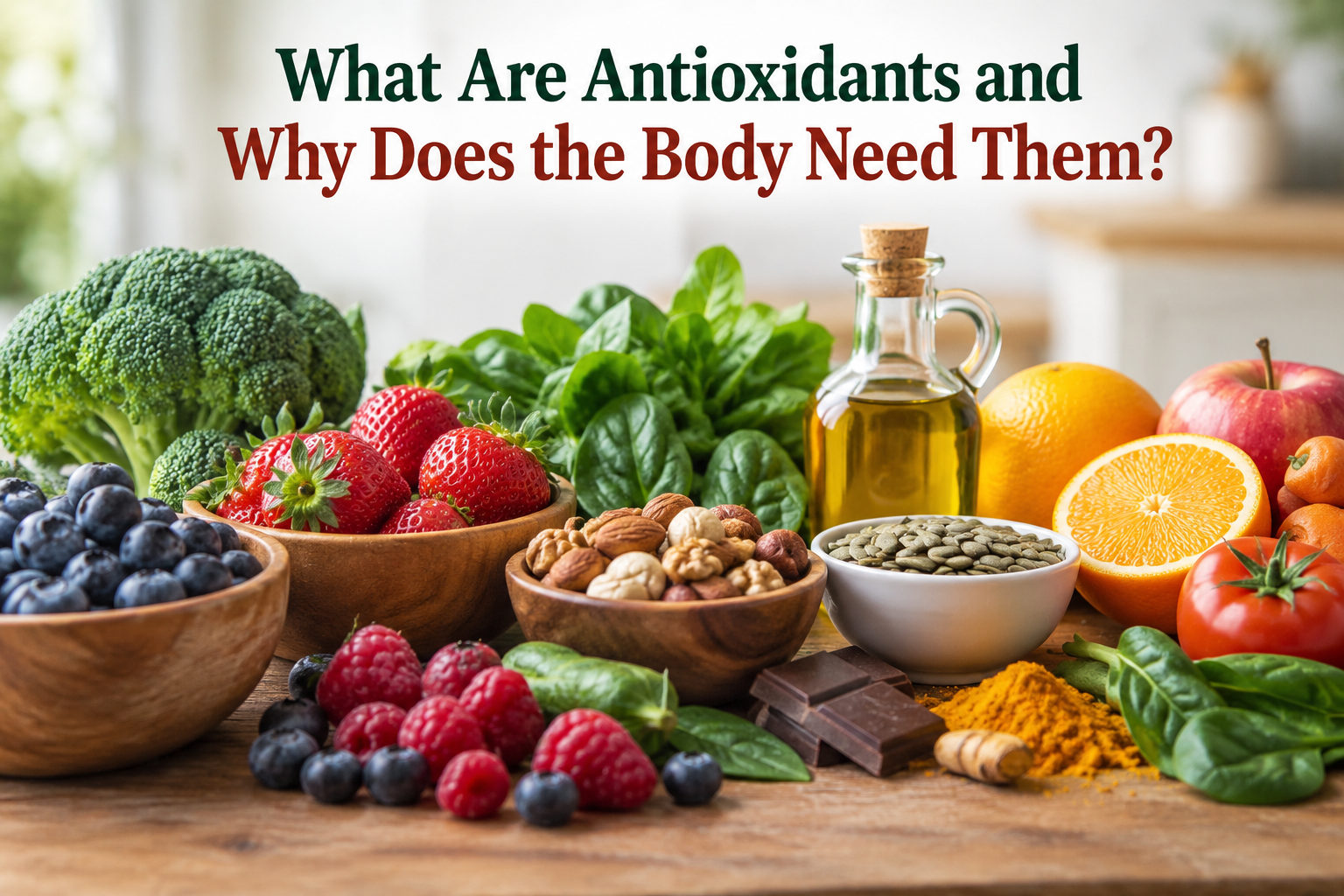
Best Food Sources of Antioxidants
Many antioxidant rich foods are simple everyday foods.
Berries such as blueberries, strawberries, and blackberries contain several plant compounds.
Citrus fruits provide vitamin C.
Carrots, pumpkins, and sweet potatoes contain carotenoids.
Tomatoes are known for lycopene.
Leafy green vegetables provide several vitamins and plant compounds.
Nuts and seeds contain vitamin E and other nutrients.
Beans and lentils provide polyphenols, minerals, protein, and fiber.
Whole grains also contain antioxidants and several important nutrients.
Herbs and spices such as turmeric, cinnamon, cloves, ginger, and oregano contain natural plant compounds as well.
The best approach is to include many different foods rather than relying on one so called superfood.
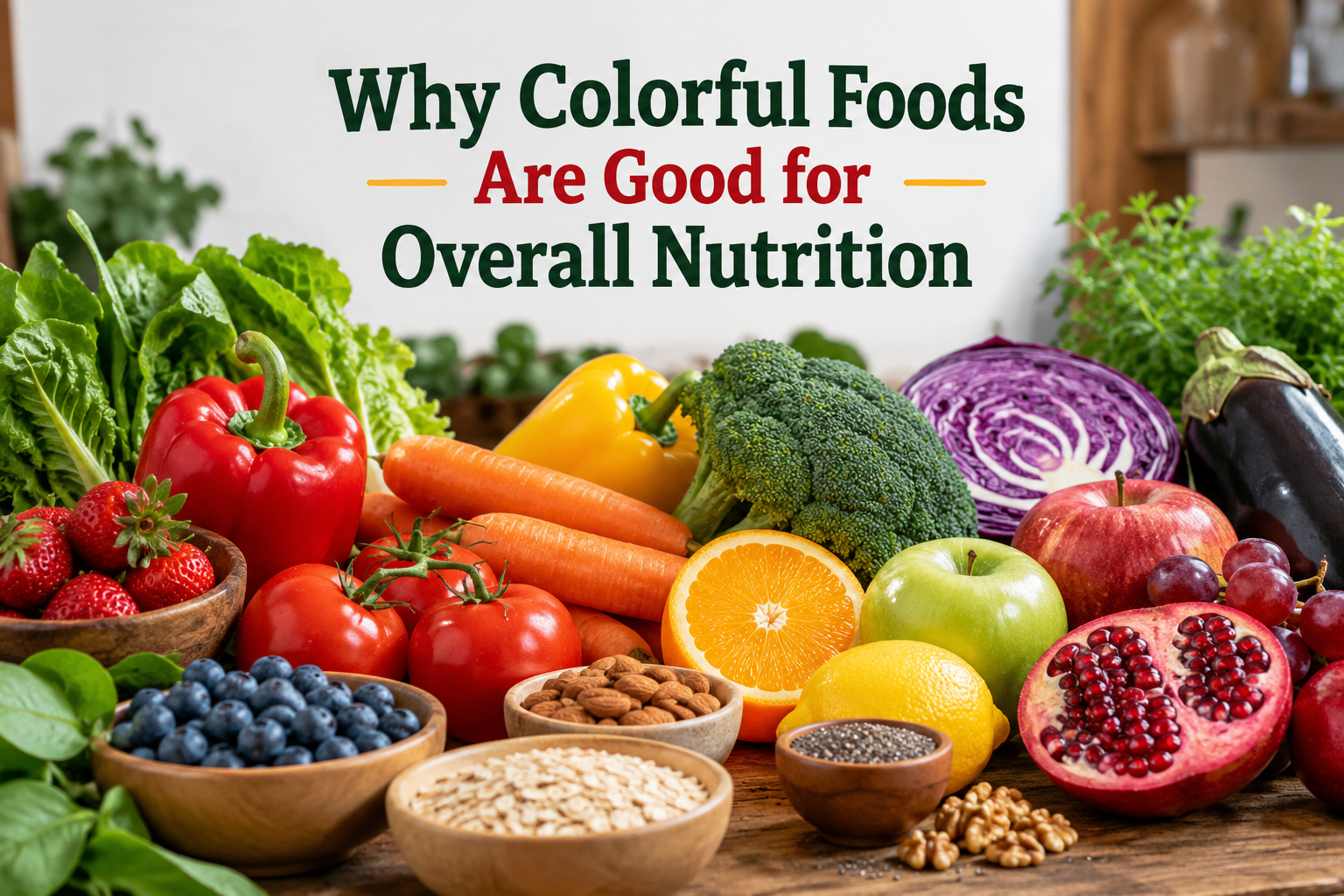
Why Colorful Foods Are Often Rich in Antioxidants
The natural colors in fruits and vegetables often come from plant pigments.
Many of these pigments also have antioxidant properties.
Red tomatoes contain lycopene.
Orange carrots contain beta carotene.
Dark green vegetables contain lutein and other compounds.
Blue and purple fruits may contain anthocyanins.
Eating foods of different colors is an easy way to increase dietary variety.
This idea is sometimes called eating the rainbow.
It does not mean every meal needs every color. The goal is simply to include a wide range of fruits and vegetables throughout the week.
Can Cooking Affect Antioxidants?
Cooking can change the antioxidant content of food.
Some antioxidants may decrease when foods are exposed to heat, water, or long cooking times.
Vitamin C, for example, is sensitive to heat and can be lost during cooking.
However, cooking may increase the availability of certain other compounds.
Lycopene in tomatoes can become easier for the body to absorb after cooking.
This means both raw and cooked foods can be valuable.
A healthy diet can include fresh salads, cooked vegetables, soups, stews, roasted vegetables, and other preparation methods.
There is no need to eat every vegetable raw.
Are Antioxidant Supplements Necessary?
Antioxidant supplements are widely available, but they are not always necessary.
Many people can obtain antioxidants through a balanced diet.
Whole foods provide much more than isolated antioxidant compounds. They also contain fiber, protein, minerals, healthy fats, and many other substances that work together.
High doses of antioxidant supplements may not provide the same benefits as antioxidant rich foods.
In some cases, excessive amounts of certain supplements may even cause problems.
People who are considering high dose supplements, especially those who take medicines or have medical conditions, should discuss them with a qualified healthcare professional.
Food should generally remain the main source of antioxidants unless supplementation is specifically recommended.
Antioxidants and Exercise
Exercise temporarily increases the production of reactive molecules in the body.
This may sound harmful, but moderate physical activity actually helps the body improve its own natural defense systems.
The body can adapt to regular exercise by strengthening some antioxidant mechanisms.
A nutritious diet containing fruits, vegetables, protein, whole grains, and healthy fats supports recovery and overall physical performance.
Taking extremely high doses of antioxidant supplements around exercise is not automatically beneficial.
For most people, regular physical activity combined with balanced nutrition is a more practical approach.
Antioxidants and Skin Health
Skin is regularly exposed to sunlight, pollution, and environmental stress.
These exposures can contribute to oxidative reactions.
Nutrients such as vitamin C, vitamin E, carotenoids, and several plant compounds support normal skin health.
Vitamin C is especially important because the body needs it for collagen formation.
Healthy skin also depends on hydration, protein intake, healthy fats, sleep, sun protection, and many other factors.
Antioxidant rich foods can support skin health as part of a complete lifestyle rather than acting as a single solution.
Antioxidants and Heart Health
A diet rich in fruits, vegetables, nuts, seeds, whole grains, and legumes is often associated with better cardiovascular health.
These foods provide antioxidants along with fiber, potassium, healthy fats, and other nutrients.
It is difficult to separate the effects of one antioxidant from the overall effects of a healthy diet.
For this reason, nutrition advice usually focuses on dietary patterns rather than individual compounds.
Replacing heavily processed foods with more whole plant foods can increase antioxidant intake while also improving overall nutritional quality.
How to Add More Antioxidants to Your Daily Diet
Increasing antioxidant intake does not require expensive foods or complicated recipes.
Start by adding fruit to breakfast.
Include vegetables with lunch and dinner.
Choose whole grains when practical.
Snack on nuts or seeds in appropriate portions.
Add beans or lentils to meals several times a week.
Use herbs and spices while cooking.
Drink water and include nutritious beverages such as unsweetened tea when suitable.
Try different fruits and vegetables throughout the week.
These simple habits can provide a broad range of antioxidant compounds naturally.
Do We Need as Many Antioxidants as Possible?
More is not always better.
The body needs balance.
Free radicals are not completely harmful. They also participate in normal cell signaling and immune responses.
Trying to eliminate all free radicals would not be healthy or realistic.
The purpose of antioxidants is to help maintain balance, not to remove every reactive molecule from the body.
This is another reason why a varied diet is preferable to extremely high doses of individual antioxidant supplements.
Antioxidants Work Best as Part of a Healthy Lifestyle
Antioxidants cannot compensate for an unhealthy lifestyle.
Someone who regularly smokes, sleeps poorly, eats very little nutritious food, and rarely exercises cannot expect antioxidant supplements to solve every health problem.
Good health depends on many daily habits working together.
A balanced diet, regular activity, adequate sleep, healthy body weight, stress management, hydration, and avoidance of tobacco all contribute to long term wellbeing.
Antioxidant rich foods fit naturally into this healthy lifestyle.
Final Thoughts
Antioxidants are important substances that help protect the body’s cells from excessive damage caused by free radicals. They are part of the body’s natural defense system and can be obtained from many everyday foods.
Vitamin C, vitamin E, carotenoids, selenium, flavonoids, and polyphenols are some well known examples.
The best way to obtain antioxidants is usually through a varied diet containing fruits, vegetables, nuts, seeds, legumes, whole grains, herbs, and other nutritious foods.
Rather than focusing on one special antioxidant or supplement, it is better to eat a wide variety of whole foods.
Antioxidants are not miracle substances, but they play an important supporting role in normal body function. When combined with healthy eating, regular physical activity, good sleep, and other positive habits, antioxidant rich foods can contribute to a balanced and nutritious lifestyle.
Understanding what antioxidants are and why the body needs them can make healthy food choices easier. A colorful, varied diet naturally provides many of these protective compounds while also supplying the nutrients the body needs to function every day.