Good posture is often associated with standing straight or sitting properly, but posture is much more than appearance. It reflects how the muscles, joints, spine, and nervous system work together to support the body during daily activities. When posture is balanced, the body can move more comfortably and with less unnecessary strain. One of the most practical ways to support better posture is through regular physical activity.
Physical activity helps strengthen the muscles that hold the body upright. It can also improve flexibility, balance, coordination, and awareness of body position. These benefits are important because posture is not something that depends on one muscle or one part of the body. It is the result of many areas working together.
Modern lifestyles often involve long periods of sitting, computer use, driving, and looking down at mobile phones. Over time, these habits may encourage the shoulders to round forward, the head to move in front of the body, and certain muscles to become weaker or tighter. Regular movement can help reduce these effects and make it easier to maintain a more natural body position.
Understanding Posture
Posture describes the position of the body when standing, sitting, walking, or performing other movements. Good posture does not mean keeping the body stiff. In fact, healthy posture allows the body to remain relaxed while still being properly supported.
The spine naturally has several curves. These curves help distribute body weight and absorb pressure during movement. Muscles around the spine, abdomen, shoulders, hips, and legs help maintain these natural curves.
When the body stays in one position for too long, some muscles may become tired while others may become shortened. This can affect posture. For example, sitting at a desk for many hours may cause the chest muscles to tighten while the muscles of the upper back become less active.
Physical activity encourages the body to move through different positions, which can help restore balance.
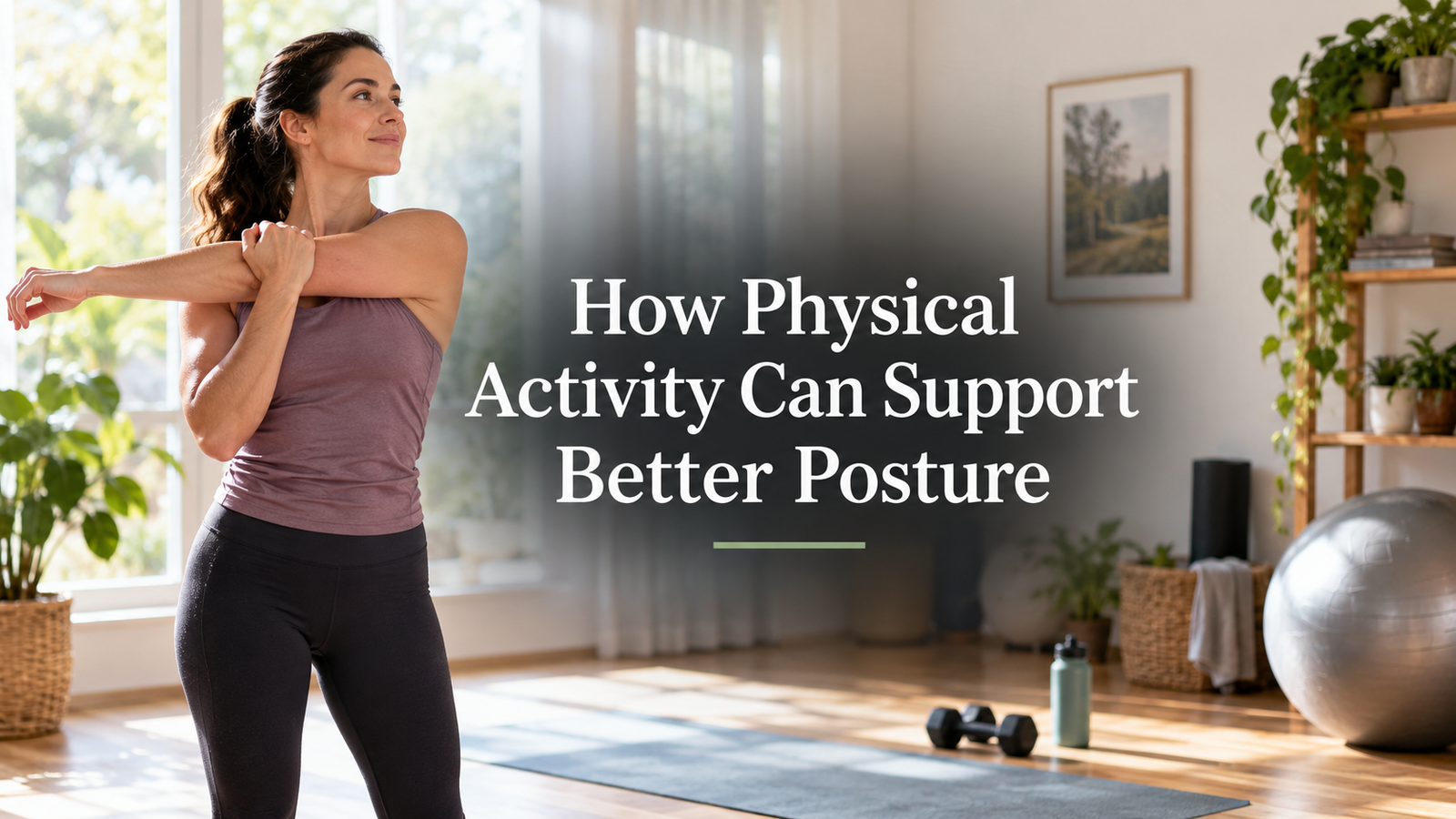
How Physical Activity Can Support Better Posture
Physical activity supports posture in several ways. It strengthens important muscles, increases mobility, improves balance, and encourages better control of the body.
Regular movement also helps people become more aware of how they sit, stand, and walk. This awareness can make it easier to notice poor habits and adjust them naturally.
Physical activity does not need to be intense to provide benefits. Walking, stretching, bodyweight exercises, swimming, cycling, and other forms of regular movement can all contribute to better posture when performed correctly.
Strong Core Muscles Help Support the Spine
The core is one of the most important areas for posture. Core muscles include the muscles around the abdomen, lower back, pelvis, and hips. Together, they help stabilize the spine.
Weak core muscles may make it harder for the body to maintain an upright position for long periods. A person may begin to slouch or lean because the muscles are not providing enough support.
Exercises that gently strengthen the core can help improve stability. Activities such as planks, bridges, controlled abdominal exercises, and certain forms of yoga can activate these muscles.
A stronger core does not mean developing extremely large abdominal muscles. What matters most is strength, control, and endurance. The goal is to help the body maintain a comfortable position during daily activities.
Back Muscles Play an Important Role
The muscles of the upper and lower back are also important for posture. They help support the spine and keep the shoulders from falling too far forward.
People who spend many hours sitting may develop weakness in the upper back. As the shoulders gradually move forward, the chest may feel tight and the head may begin to move in front of the shoulders.
Exercises that strengthen the upper back can help encourage a more balanced position. Rowing movements, resistance band exercises, and certain bodyweight movements can help activate these muscles.
A balanced exercise routine should strengthen both the front and back of the body rather than focusing only on one area.
Physical Activity Can Strengthen the Shoulder Muscles
The shoulders have a major influence on upper body posture. Weak shoulder stabilizing muscles may contribute to rounded shoulders or poor alignment.
Regular exercises that strengthen the muscles around the shoulder blades can improve upper body control. These muscles help guide the shoulder blades into stable positions while the arms move.
Simple exercises such as wall slides, band pulls, and controlled arm movements may help improve shoulder stability.
Good shoulder strength is especially important for people who spend much of the day typing, driving, or using mobile devices.
Movement Can Improve Flexibility
Muscle tightness can affect posture just as much as muscle weakness. When certain muscles become too tight, they may pull the body out of its natural position.
For example, tight hip muscles may affect the position of the pelvis and lower back. Tight chest muscles may pull the shoulders forward. Tight muscles at the back of the legs may also influence how the pelvis and spine move.
Regular physical activity helps the muscles and joints move through a wider range of motion. Stretching can be included before or after certain activities depending on the type of exercise.
Gentle stretching of the chest, hips, shoulders, and legs can support better mobility. Better flexibility makes it easier for the body to maintain comfortable positions without excessive strain.
Walking Can Support Natural Posture
Walking is one of the simplest forms of physical activity, yet it can be useful for posture. Walking encourages natural movement of the hips, spine, arms, and legs.
During comfortable walking, the body repeatedly shifts weight from one side to the other. This encourages coordination and activates many muscles that support posture.
Walking can also provide a useful break from prolonged sitting. Even a few minutes of walking during the workday may help reduce stiffness.
When walking, it is helpful to keep the head balanced over the shoulders, allow the arms to swing naturally, and avoid looking down at the ground for long periods.
Physical Activity Can Improve Body Awareness
Better posture often begins with awareness. Many people do not notice that they are slouching, leaning to one side, or lifting one shoulder higher than the other.
Exercise can increase awareness of body position. Activities such as yoga, Pilates, tai chi, resistance training, and controlled stretching require attention to movement and alignment.
Over time, this awareness may carry into daily life. A person may begin to notice how they sit at a desk, stand in a queue, carry a bag, or use a phone.
This makes it easier to correct poor habits before they become deeply established.
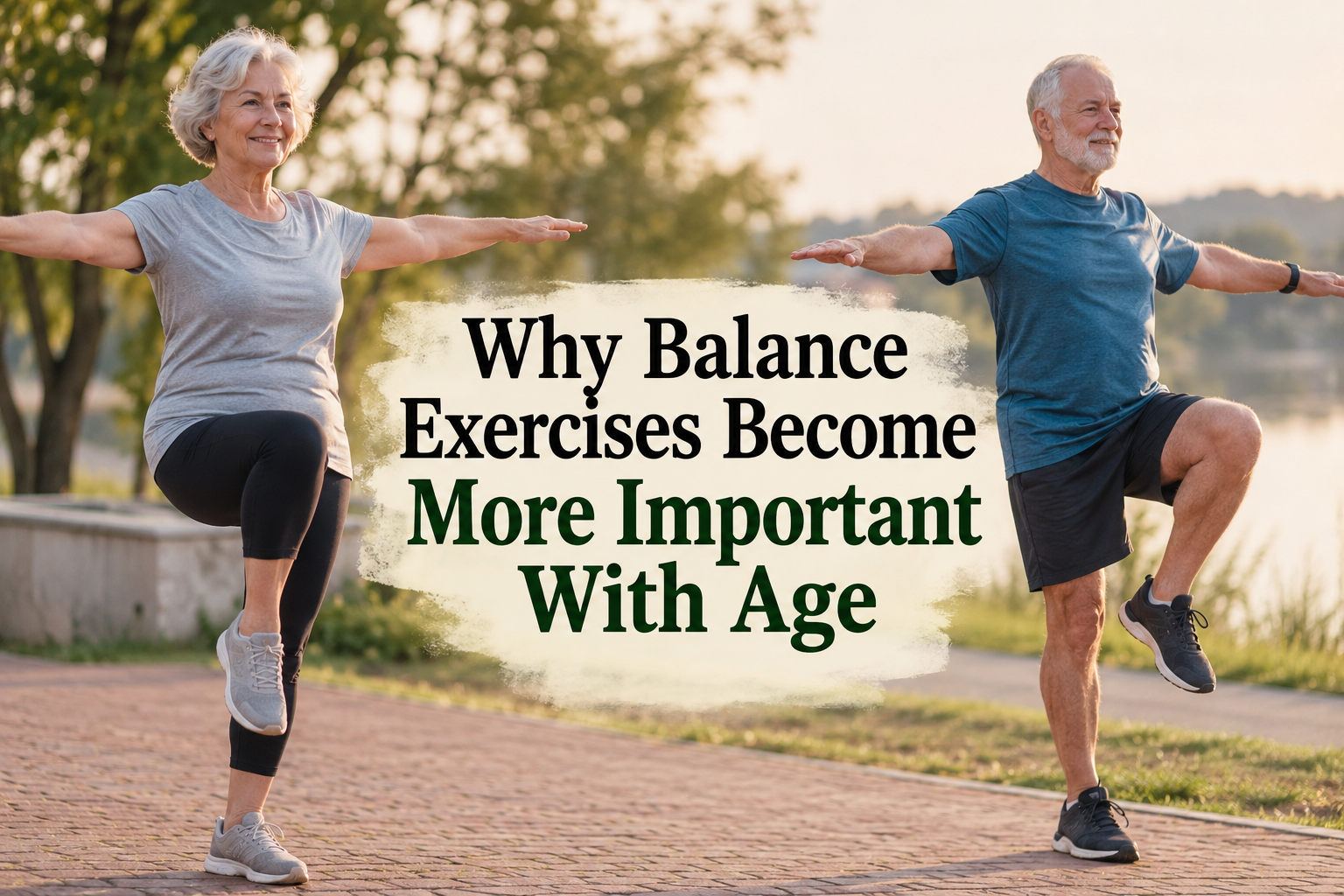
Exercise Can Improve Balance
Balance is closely connected to posture. The body constantly makes small adjustments to remain upright.
Strong muscles and good coordination help the body maintain balance. Physical activities that challenge balance can improve this ability.
Standing on one leg, walking in different directions, performing controlled lunges, and practicing certain yoga movements can improve balance.
Better balance helps the body maintain a stable position during both movement and rest.
Hip Strength Is Important for Posture
The hips provide an important connection between the upper and lower body. Strong hip muscles support walking, standing, climbing stairs, and many other activities.
Weak hip muscles may affect how the pelvis is positioned. This can influence the lower back and even the upper body.
Exercises such as bridges, squats, side leg movements, and controlled step exercises can help strengthen the hips.
Good hip strength also supports balance and stability, which are important for maintaining proper posture throughout the day.
Leg Strength Provides a Stable Base
Posture begins from the ground. Strong legs provide a stable base for the rest of the body.
The muscles of the thighs, calves, and hips help support body weight during standing and movement. When these muscles are weak, the body may compensate by shifting weight in ways that affect posture.
Walking, climbing stairs, squats, and other lower body exercises can improve leg strength.
Strong legs also make everyday tasks easier, which can reduce unnecessary strain on the back.
Physical Activity Can Reduce Stiffness From Sitting
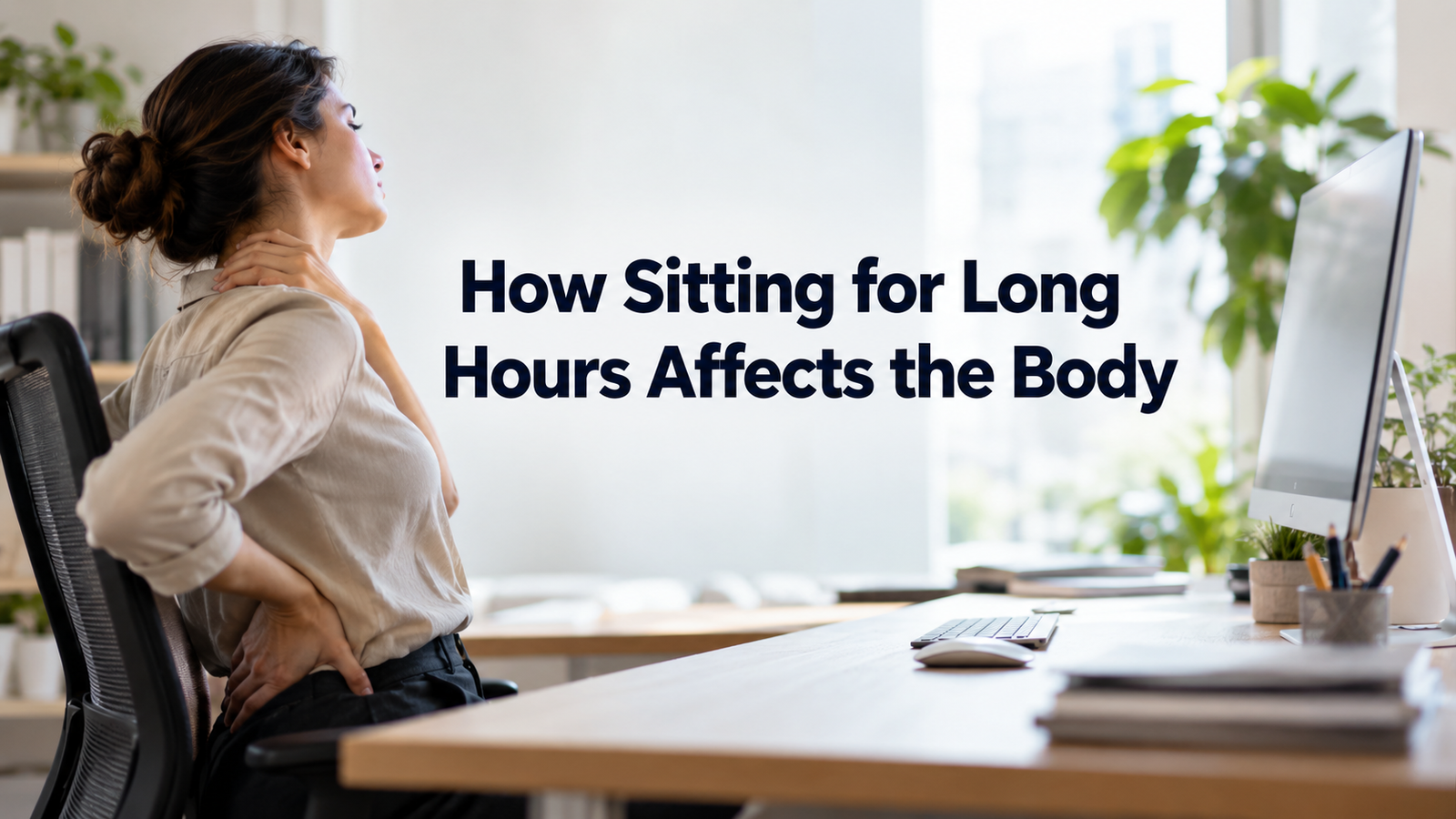
One of the biggest challenges to good posture today is prolonged sitting. Many people sit for several hours at work, during travel, or while using digital devices.
Sitting itself is not always harmful, but remaining in the same position for too long can create stiffness and fatigue.
Regular movement breaks can reduce this problem. Standing, walking, stretching, or performing a few gentle movements every hour can help the body change position.
Changing posture regularly is often more helpful than trying to maintain one perfect position throughout the entire day.
Better Posture Does Not Mean Staying Completely Straight
Some people believe good posture means pulling the shoulders back strongly and keeping the spine completely straight. This can actually create unnecessary tension.
Healthy posture should feel comfortable and natural.
The goal is not to hold the body in a rigid position. The goal is to develop enough strength and mobility that the body can move easily and return to a balanced position.
Regular physical activity supports this ability because it trains the body to move rather than remain stiff.
Exercise Can Support Neck Position
The neck is particularly affected by modern habits. Looking down at phones, laptops, and tablets for long periods can place extra strain on the muscles around the neck and upper back.
Physical activity that strengthens the upper back and improves shoulder mobility may help support a more natural neck position.
Gentle neck movements can also reduce stiffness. However, movements should always be slow and controlled.
Keeping screens closer to eye level and taking regular movement breaks can support the benefits of exercise.
Posture and Breathing Are Connected
Posture can influence breathing. When the upper body is heavily rounded forward, the chest may have less room to expand comfortably.
Physical activity encourages deeper breathing because the body requires more oxygen during movement.
Exercises that open the chest and strengthen the back may also make it easier to maintain a comfortable breathing position.
Good breathing and good posture often support each other.
Swimming Can Be Helpful for Overall Body Strength
Swimming is another activity that may support posture. Water provides resistance while reducing pressure on the joints.
Different swimming movements activate the back, shoulders, core, arms, and legs. This can contribute to balanced muscular development.
Swimming also encourages a wide range of movement through the shoulders and hips.
However, proper technique is important. Poor swimming form may place unnecessary stress on the neck or shoulders.
Yoga Can Support Flexibility and Control
Yoga combines stretching, strength, balance, and controlled breathing. These qualities can make it useful for improving body awareness and posture.
Many yoga positions require the body to remain stable while different muscle groups work together.
Regular practice may improve flexibility in areas that commonly become tight, such as the hips, shoulders, and chest.
Yoga does not need to involve difficult positions. Simple beginner movements can still provide benefits when performed consistently.
Strength Training Can Improve Postural Support
Strength training is one of the most effective ways to improve muscular support for posture.
Exercises can be selected for the back, shoulders, core, hips, and legs. These areas work together to support the body during daily activities.
The amount of weight used is less important than proper technique. Controlled movements with manageable resistance are often more useful than lifting heavy weights with poor form.
People who are new to strength training may benefit from professional guidance to learn proper technique.
Consistency Is More Important Than Intensity
Posture does not usually improve after one workout. The body adapts gradually to regular movement.
A moderate routine performed several times per week is often more useful than occasional intense exercise.
Even short periods of activity can add up. Walking during lunch, stretching after waking up, and doing simple strengthening exercises at home can all contribute to improved posture.
Consistency helps the muscles become stronger and more capable of supporting the body naturally.
Everyday Movement Matters Too
Exercise sessions are helpful, but daily movement habits are just as important.
Standing up regularly, walking instead of sitting whenever possible, using stairs, carrying objects evenly, and changing positions throughout the day can support posture.
The human body is designed to move. Staying active throughout the day encourages the muscles and joints to continue working.
A person who exercises for thirty minutes but sits completely still for the rest of the day may still experience stiffness.
Combining planned exercise with regular everyday movement is usually the better approach.
Final Thoughts
Physical activity can support better posture by strengthening the core, back, shoulders, hips, and legs. It can also improve flexibility, balance, coordination, and awareness of body position.
Better posture is not about forcing the body into a perfect position. It is about developing the strength and mobility needed to move comfortably and maintain natural alignment.
Walking, stretching, strength training, swimming, yoga, and other forms of regular movement can all contribute to healthier posture. Simple movement breaks during long periods of sitting can also make a meaningful difference.
The most important factor is consistency. When physical activity becomes a regular part of daily life, the body is better prepared to support itself during work, walking, sitting, and other everyday activities.
Over time, stronger muscles, improved mobility, and greater body awareness can make good posture feel more natural rather than something that requires constant effort.