Gut health has become an important topic in nutrition, and two words are often mentioned whenever people talk about digestion: probiotics and prebiotics. They sound similar, but they are not the same thing. Each one has a different role in supporting the digestive system, and understanding the difference between probiotics and prebiotics can help you make better food choices.
In simple terms, probiotics are beneficial live microorganisms, while prebiotics are certain types of food components that help beneficial gut bacteria grow and remain active. Both can be part of a healthy and balanced diet, but they work in different ways.
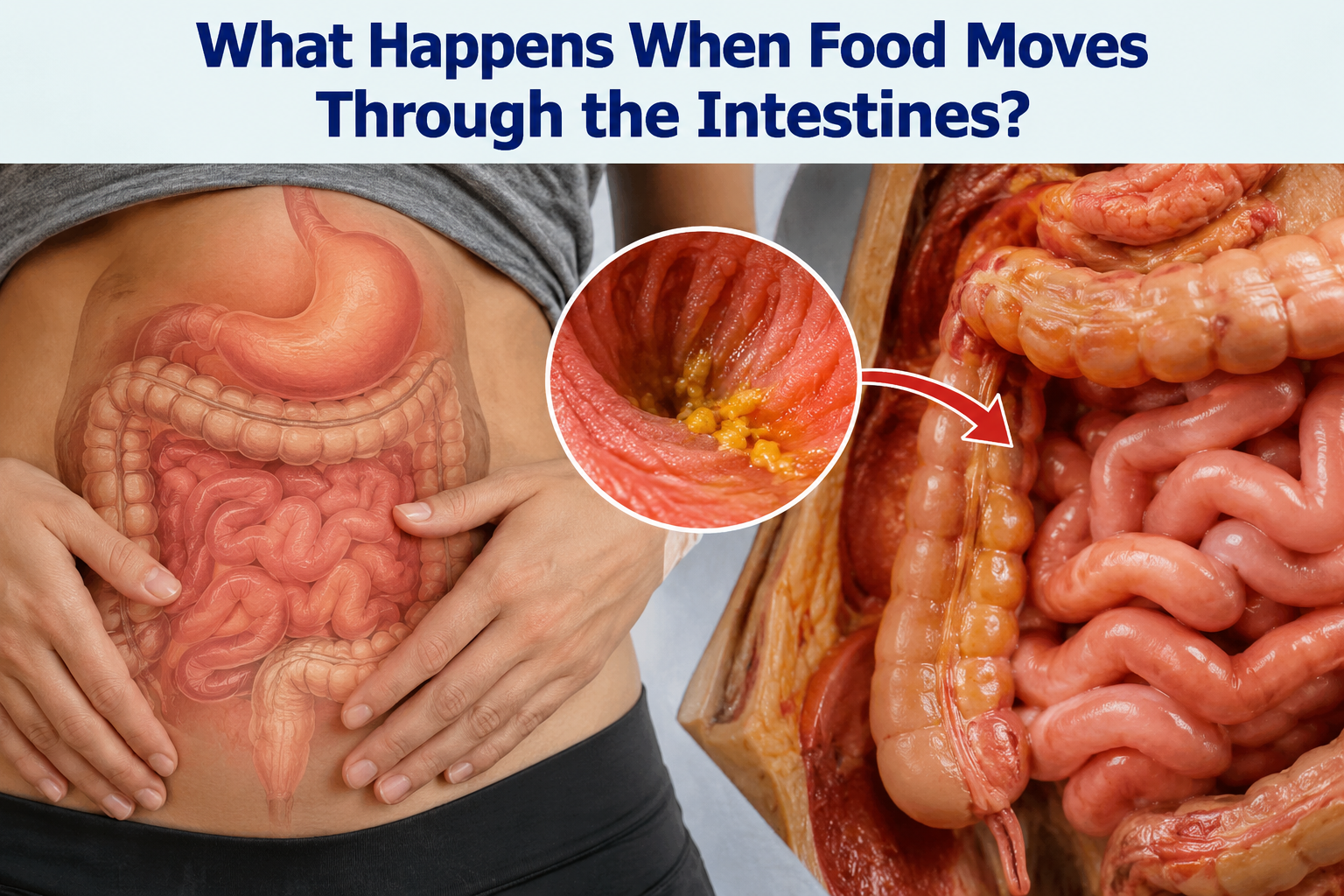
The human digestive system contains a large and diverse community of microorganisms. This community is often called the gut microbiome. These microorganisms interact with the foods we eat and may influence digestion, nutrient metabolism, and normal immune functions.
Learning how probiotics and prebiotics support this environment makes it easier to understand why both are commonly discussed in relation to digestive health.
What Are Probiotics?
Probiotics are live microorganisms that may provide health benefits when consumed in suitable amounts. Most probiotics are bacteria, although some beneficial yeasts can also be used as probiotics.
Different types of bacteria naturally live inside the digestive tract. Some are beneficial, some are neutral, and others may become problematic under certain conditions. A healthy digestive system normally contains a balanced community of these microorganisms.
Probiotics are often associated with fermented foods and certain dietary supplements.
Common probiotic bacteria belong to groups such as Lactobacillus and Bifidobacterium. These microorganisms may help support the natural microbial balance of the digestive system.
It is important to understand that not every fermented food automatically contains active probiotics. Some foods are heated or processed after fermentation, which may reduce or remove the live microorganisms.
What Are Prebiotics?
Prebiotics are substances in foods that are used by beneficial microorganisms living in the digestive tract.
Many prebiotics are forms of dietary fiber that the human body cannot fully digest. Instead of being completely broken down in the small intestine, these substances travel into the large intestine.
There, certain beneficial bacteria can use them as a source of nourishment.
This means that prebiotics do not add new bacteria to the digestive system. Instead, they help support some of the helpful bacteria that are already present.
Foods rich in certain fibers are therefore an important part of a diet designed to support gut health.
The Main Difference Between Probiotics and Prebiotics
The easiest way to understand the difference between probiotics and prebiotics is to think about their individual roles.
Probiotics are beneficial microorganisms.
Prebiotics are food for beneficial microorganisms.
When a person consumes probiotics, they are introducing live microorganisms through certain foods or supplements.
When a person consumes prebiotics, they are providing substances that some beneficial gut bacteria can use for growth and activity.
Both can work together to support a healthy intestinal environment.
How Probiotics Work in the Digestive System
The digestive tract contains trillions of microorganisms. The exact composition of this microbial community varies from person to person.
Diet, age, lifestyle, medications, stress, and environmental factors can all influence the gut microbiome.
Probiotics may temporarily increase the number or activity of beneficial microorganisms in the digestive tract. Their effects can depend on the specific strain being consumed.
Some probiotic microorganisms may help compete with less desirable organisms for nutrients and space inside the intestine.
Others may produce compounds that support the normal environment of the digestive tract.
Because different probiotic strains may behave differently, the word probiotic does not describe one single substance or effect.
How Prebiotics Support Gut Bacteria
Prebiotics work mainly by serving as nourishment for certain bacteria in the large intestine.
When beneficial bacteria ferment some types of dietary fiber, they can produce substances known as short chain fatty acids.
These compounds are involved in several normal processes within the digestive system.
A diet containing a variety of plant foods can provide different forms of fiber that support microbial diversity.
This is one reason vegetables, fruits, whole grains, legumes, nuts, and seeds are frequently recommended as part of a balanced diet.
Foods That Naturally Contain Probiotics
Several fermented foods may contain beneficial live microorganisms.
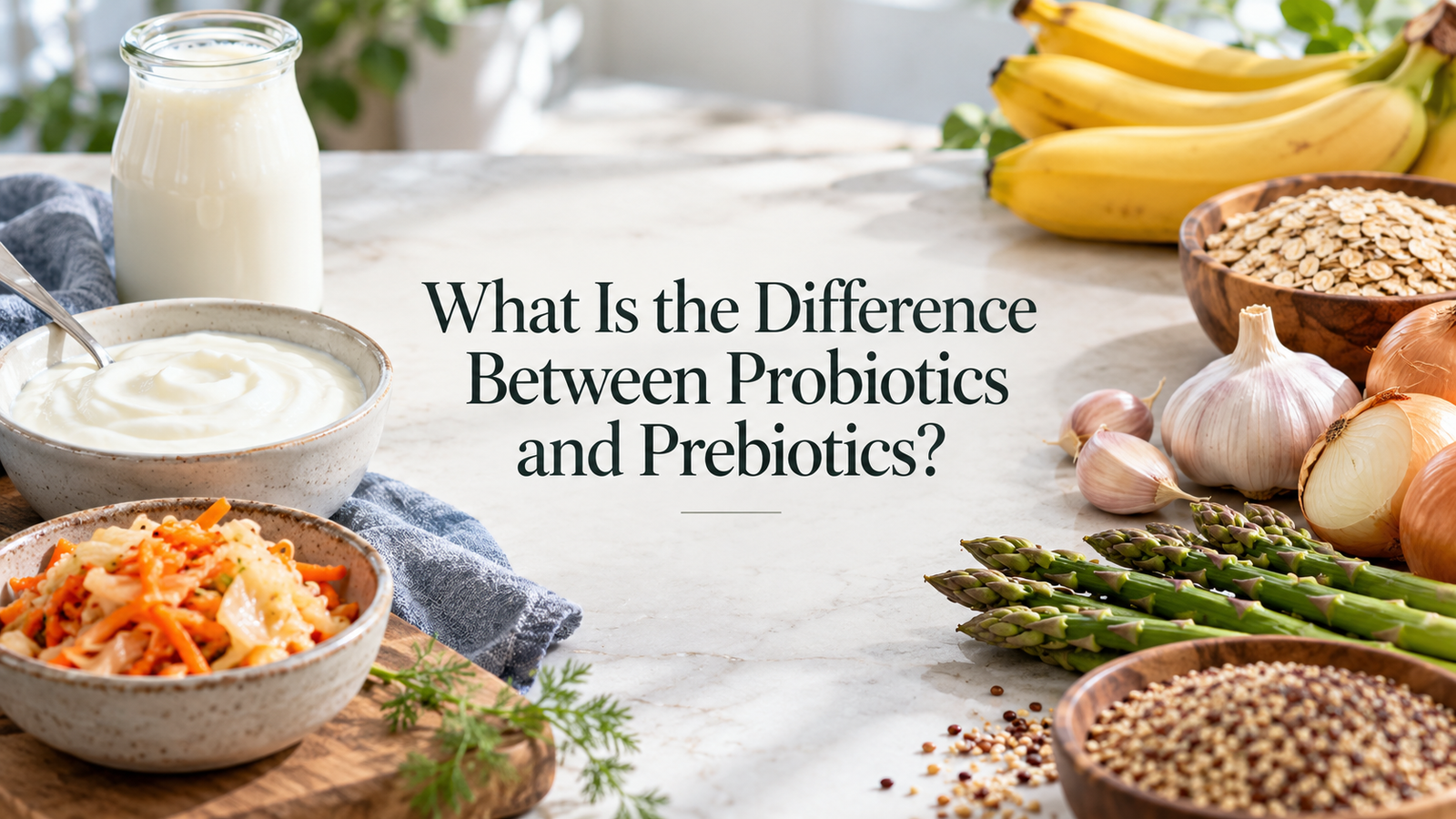
Yogurt is one of the most familiar examples. Some types of yogurt contain live bacterial cultures that remain active when the product is consumed.
Kefir is another fermented dairy product that may contain a wide variety of microorganisms.
Other fermented foods may include certain types of sauerkraut, kimchi, traditional fermented vegetables, and some cultured dairy products.
However, probiotic content can vary significantly between products.
Processing methods, storage conditions, temperature, and manufacturing practices can all affect the survival of live microorganisms.
When choosing packaged foods, reading the label may help determine whether the product contains live cultures.
Foods That Naturally Contain Prebiotics
Many foods naturally contain fibers and carbohydrates that can have prebiotic effects.
Garlic, onions, leeks, asparagus, bananas, oats, barley, beans, lentils, and certain vegetables are common examples.
These foods also provide other valuable nutrients, including vitamins, minerals, and antioxidants.
Whole foods are usually one of the easiest ways to increase dietary fiber and support the microorganisms living in the digestive tract.
Eating different plant foods is particularly helpful because various bacteria prefer different types of fiber.
Why Gut Bacteria Need Prebiotics
Like other living organisms, bacteria require sources of energy.
Some beneficial gut bacteria can use fibers that the human digestive system cannot break down efficiently.
When these fibers reach the large intestine, bacteria can ferment them.
This process helps support bacterial activity and produces several natural compounds.
Without enough dietary fiber, certain beneficial bacteria may have fewer nutrients available.
For this reason, a low fiber diet may not provide the same support for microbial diversity as a diet containing a wide range of plant foods.
Can Probiotics and Prebiotics Be Consumed Together?
Yes. Probiotics and prebiotics can be included in the same diet.
In fact, foods or supplements that combine probiotics and prebiotics are sometimes described as synbiotic products.
The basic idea is simple. The probiotic introduces beneficial microorganisms, while the prebiotic provides substances that may help support bacterial activity.
For example, a person might eat yogurt containing live cultures with oats, bananas, or other fiber rich foods.
This type of meal naturally includes both probiotic microorganisms and prebiotic fibers.
Are Probiotic Supplements Necessary?
Probiotic supplements are widely available, but they are not automatically necessary for everyone.
A balanced diet can already provide fermented foods and dietary fiber.
Some people may choose probiotic supplements for specific reasons, but the effects of these products depend on the bacterial strain, dose, product quality, and individual needs.
Different probiotic strains may have different properties.
Therefore, a product containing one type of probiotic cannot always be expected to provide the same effects as another product.
Anyone considering probiotic supplements for a specific health condition should discuss the choice with a qualified healthcare professional.
Can Prebiotic Foods Cause Gas?
Increasing prebiotic fiber can sometimes lead to temporary gas or bloating.
This happens because gut bacteria ferment certain fibers and produce gases during the process.
The effect may be more noticeable when a person suddenly increases fiber intake.
Gradually adding fiber rich foods may be more comfortable for some people.
Drinking enough water can also support the normal movement of fiber through the digestive system.
People with persistent digestive symptoms should avoid assuming that fiber is always the cause. Digestive discomfort can have many possible explanations, so ongoing symptoms may require professional medical assessment.
Why Variety Matters for Gut Health
There is no single food that can create a perfectly healthy gut microbiome.
The digestive system benefits from a balanced eating pattern rather than depending on one ingredient.
Eating many types of vegetables, fruits, legumes, whole grains, nuts, seeds, and fermented foods can provide a broad range of nutrients.
Different plant foods contain different fibers and natural compounds.
This variety may support a more diverse microbial community.
A simple approach is to regularly change the vegetables, fruits, grains, and legumes you eat instead of consuming the same foods every day.
Probiotics, Prebiotics, and Everyday Nutrition
The difference between probiotics and prebiotics becomes easier to remember when they are connected to everyday foods.
Probiotics are the beneficial microorganisms found in certain fermented foods.
Prebiotics are the fibers and other substances that feed some of those microorganisms.
For example, yogurt with live cultures may provide probiotics, while adding banana and oats can provide fibers with prebiotic potential.
Similarly, a balanced meal containing vegetables, lentils, whole grains, and fermented foods can naturally support the digestive system without requiring complicated dietary rules.
Simple Ways to Support Your Gut Naturally
Supporting gut health does not have to involve expensive products.
Start by including more whole plant foods in your meals.
Vegetables, fruits, beans, lentils, oats, whole grains, nuts, and seeds provide a variety of fibers.
You can also include fermented foods such as yogurt or kefir if they are suitable for your diet.
Eating slowly, drinking enough water, staying physically active, getting adequate sleep, and maintaining a balanced overall diet can also support normal digestive function.
It is better to think about gut health as part of your complete lifestyle rather than relying on one supplement.
Which Is More Important, Probiotics or Prebiotics?
It is difficult to say that one is always more important than the other because they perform different roles.
Probiotics provide beneficial live microorganisms.
Prebiotics help support beneficial microorganisms already living in the gut.
A healthy diet can include both.
However, dietary fiber from whole foods has benefits beyond its effect on gut bacteria. Fiber can also support normal bowel movements and contribute to overall nutritional quality.
For many people, regularly eating fiber rich whole foods is a practical foundation for supporting digestive health.
Final Thoughts
Understanding the difference between probiotics and prebiotics can make the subject of gut health much easier.
Probiotics are beneficial live microorganisms found in certain fermented foods and supplements. Prebiotics are substances, often certain forms of fiber, that beneficial gut bacteria can use as nourishment.
Instead of choosing between probiotics and prebiotics, it is often more useful to include both through a varied and balanced diet.
Fermented foods can provide live microorganisms, while vegetables, fruits, whole grains, and legumes provide the fibers that support the gut environment.
The digestive system is complex, and no single food can guarantee perfect gut health. Consistent eating habits, dietary variety, adequate fiber, hydration, and a balanced lifestyle are more important than relying on one product.
By understanding how probiotics and prebiotics work together, you can make simple food choices that support normal digestion and overall nutrition.