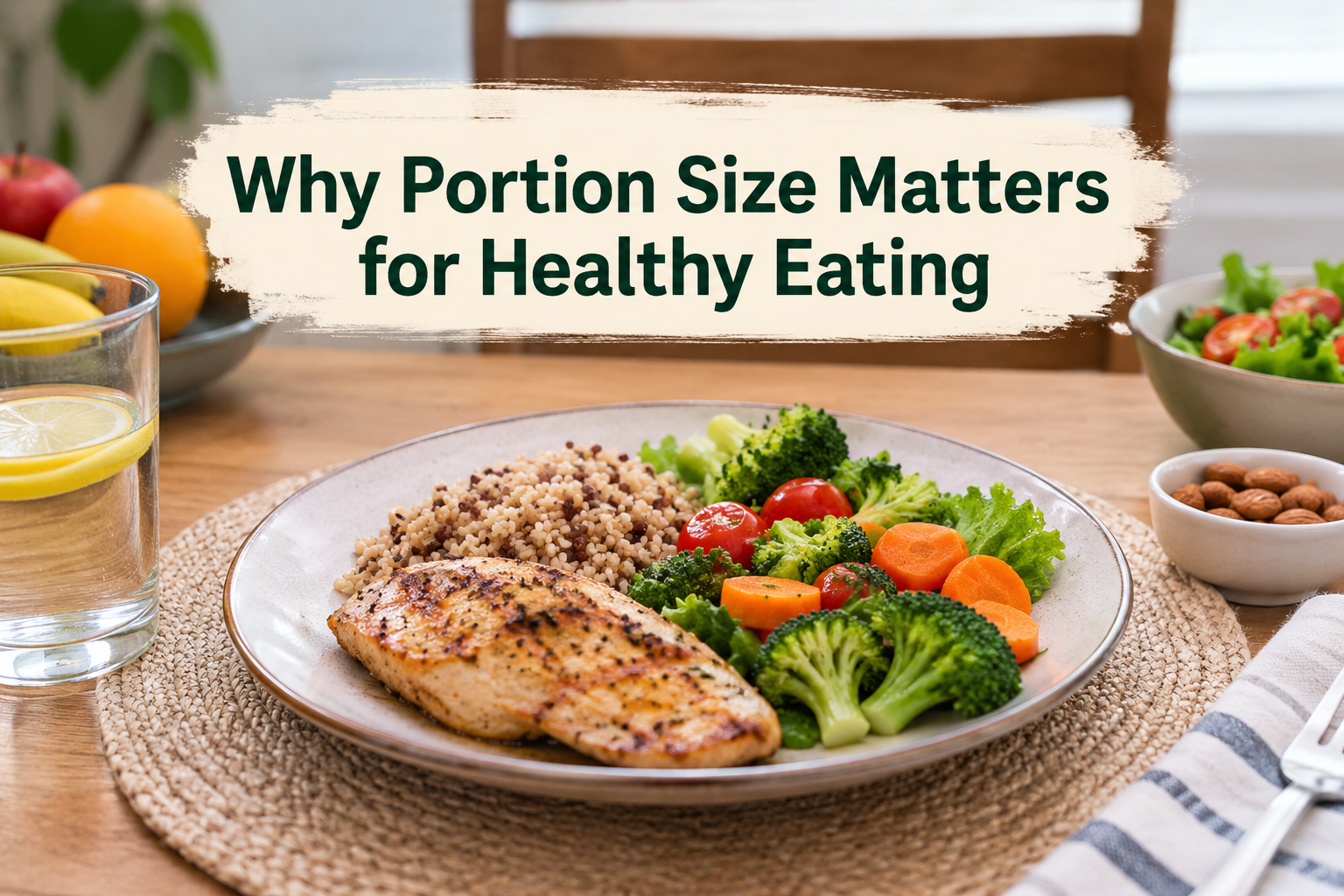
Healthy eating is not only about choosing nutritious foods. The amount of food we eat is equally important. A person can choose healthy foods such as fruits, vegetables, whole grains, nuts, dairy products, and lean proteins, but eating more than the body needs can still create problems. This is why understanding portion size is an important part of maintaining a balanced diet.
Portion size refers to the amount of food a person chooses to eat at one time. It may be different from the serving size written on a food package. A serving size is usually a standard amount used for nutrition information, while portion size depends on how much food a person actually puts on the plate.
Learning how to manage portion size can help support a healthy body weight, improve digestion, maintain steady energy levels, and make meals more balanced. It also helps people enjoy a wider variety of foods without feeling that they must completely avoid their favorite meals.
Understanding Portion Size
Many people do not realize how much their portion sizes have increased over time. Large plates, oversized restaurant meals, family sized food packages, and large drink containers can make bigger portions look normal.
When people regularly see large portions, they may begin to believe that these amounts are appropriate for every meal. However, the body may need much less food than what is being served.
A healthy portion should provide enough food to satisfy hunger and give the body necessary nutrients without supplying unnecessary excess energy.
The correct portion can vary from person to person. Age, body size, activity level, metabolism, lifestyle, and health goals can all influence how much food someone needs.
A highly active person may need larger portions than someone who spends most of the day sitting. Children usually need smaller portions than adults. Therefore, portion control should not be treated as one fixed rule for everyone.
Why Portion Size Matters for Healthy Eating
Portion size matters because the amount of food we eat directly affects the amount of energy and nutrients entering the body.
Even nutritious foods contain calories. Calories are simply units of energy. The body needs energy to breathe, move, think, work, exercise, and perform everyday functions. However, when the body receives more energy than it regularly uses, the extra energy can be stored.
This is why eating healthy foods in appropriate portions is often more effective than simply labeling foods as good or bad.
For example, nuts are nutritious and provide healthy fats, protein, vitamins, and minerals. However, they are also energy dense. A small handful may be enough for a snack, while eating several large handfuls can provide far more calories than expected.
The same principle applies to many other foods.
Portion Size and Weight Management
One of the biggest reasons portion size is important is its relationship with body weight.
Weight management usually depends on the balance between energy consumed through food and energy used by the body. If a person consistently eats more than the body needs, gradual weight gain may occur.
This does not mean people should count every calorie or eat extremely small meals. Healthy eating should be practical and sustainable.
Instead, becoming more aware of portion size can naturally reduce unnecessary overeating.
A person may discover that a slightly smaller plate of food still provides complete satisfaction. This simple adjustment can reduce overall food intake without making meals feel restrictive.
Portion awareness is especially useful when eating foods that are high in calories, such as fried foods, desserts, creamy sauces, cheese, sweets, and certain snack foods.
These foods can still be enjoyed occasionally, but smaller portions make it easier to include them within a balanced eating pattern.
Large Portions Can Encourage Overeating
People often eat according to what they see rather than what their body actually needs.
When a large amount of food is placed on a plate, many people naturally eat more. This can happen even when they were not extremely hungry at the beginning of the meal.
Large portions can also make people feel that they should finish everything because they do not want to waste food.
Using smaller plates and serving dishes can help make reasonable portions look more satisfying.
It is also helpful to serve food once rather than keeping large serving bowls directly on the table. This gives the body time to recognize fullness before taking another portion.
Portion Size and Hunger Signals
The body has natural systems that help regulate hunger and fullness.
Hunger tells us that the body needs food. Fullness tells us that enough food has probably been eaten.
However, these signals can be ignored when people eat very quickly, watch television during meals, use phones while eating, or continue eating simply because food is available.
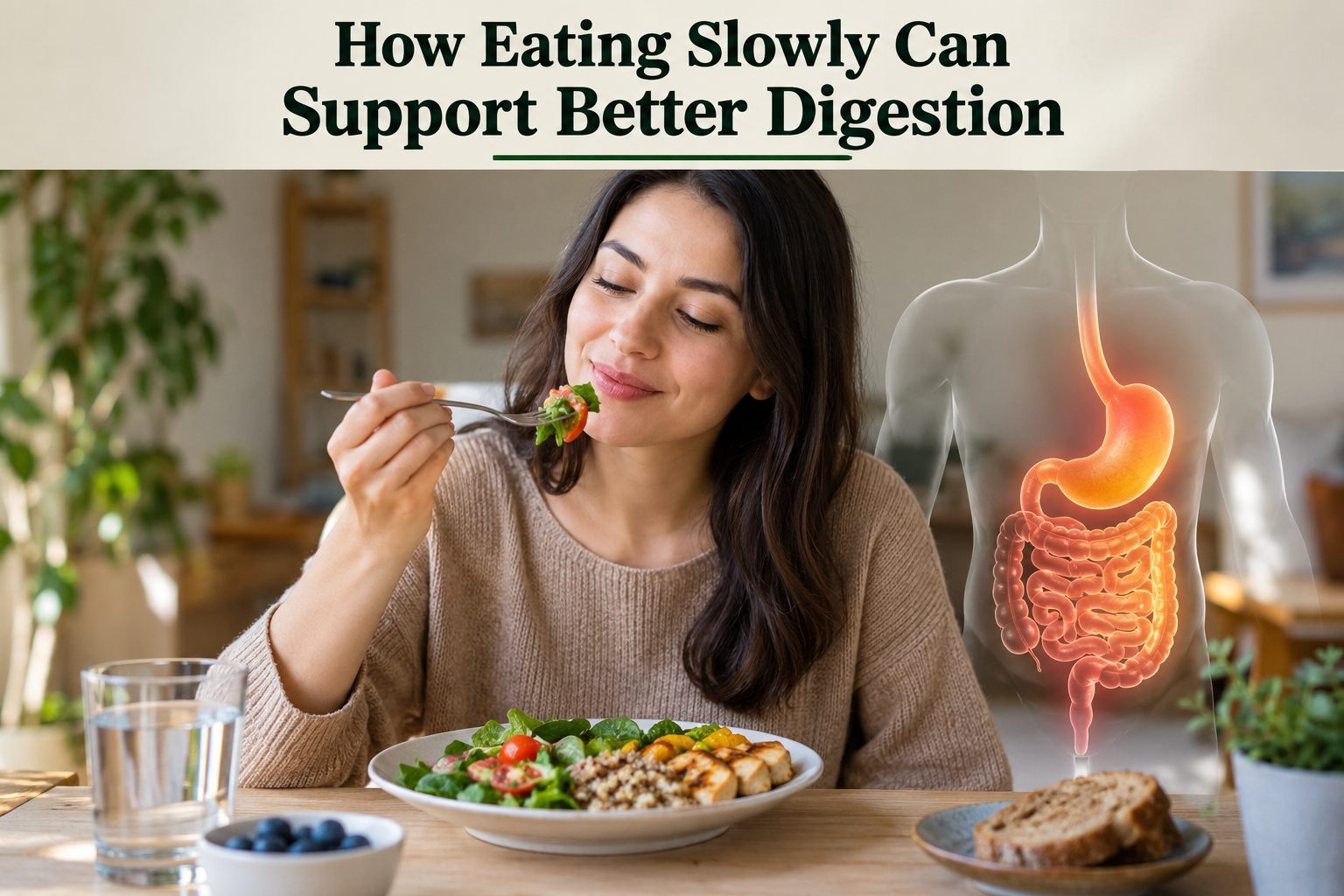
Eating slowly can make portion control easier.
The brain needs time to process signals coming from the digestive system. When meals are eaten too quickly, a person may consume more food before recognizing that they are already satisfied.
Taking smaller bites, chewing properly, and pausing during the meal can improve awareness of hunger and fullness.
Portion Size Helps Create Balanced Meals
Portion control is not only about eating less. It is also about creating the correct balance between different food groups.
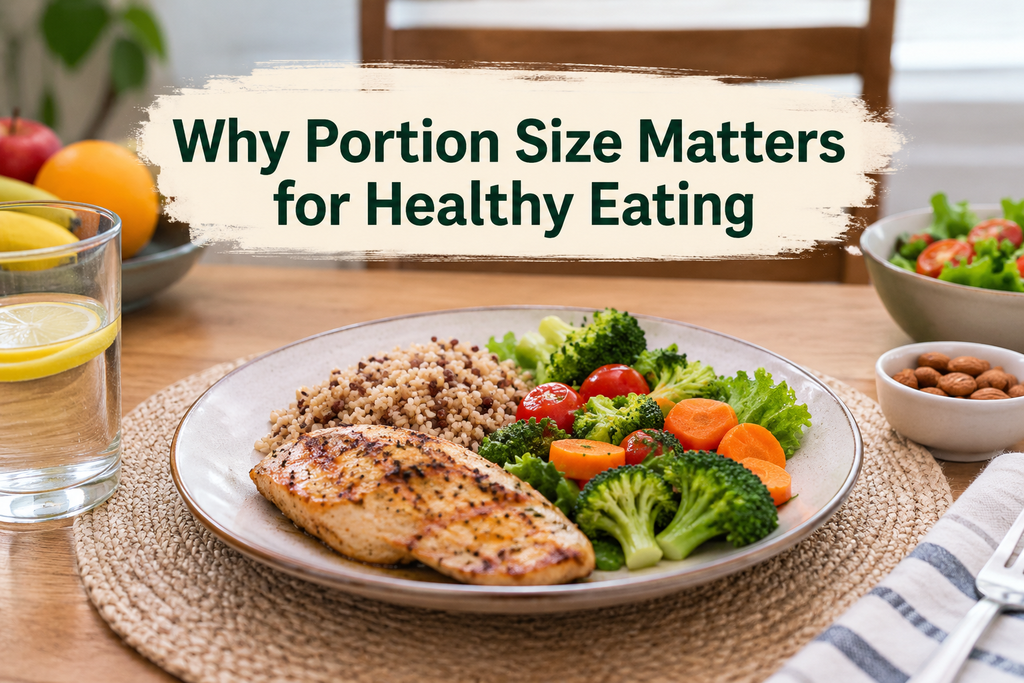
A healthy plate should usually contain a variety of foods.
Vegetables can take up a large part of the plate because they provide fiber, vitamins, minerals, and beneficial plant compounds.
A portion of protein can come from foods such as chicken, fish, eggs, beans, lentils, yogurt, or other suitable protein sources.
Whole grains and other carbohydrate sources can provide energy, while healthy fats can be included in moderate amounts.
When portions are balanced, one food group is less likely to dominate the entire meal.
For example, a plate filled mostly with rice may provide plenty of carbohydrates but very little protein or vegetables. Reducing the rice portion and adding vegetables and protein can make the meal more nutritious and satisfying.
The Role of Protein in Portion Control
Protein can be useful when building satisfying meals.
Foods rich in protein tend to help people feel full for longer periods. This can make it easier to avoid unnecessary snacking between meals.
Good protein options may include fish, chicken, eggs, beans, lentils, dairy products, and other protein rich foods.
However, portion size still matters.
A balanced amount of protein is usually better than filling the entire plate with meat while leaving little room for vegetables or other foods.
The goal should be balance rather than excess.
Vegetables and Portion Size
Vegetables are particularly useful when managing portions because many vegetables provide a large amount of food volume while remaining relatively low in calories.
They also provide fiber, which can help increase feelings of fullness.
Adding vegetables to meals can therefore make the plate look generous without requiring large portions of high calorie foods.
Vegetables can be eaten raw, steamed, roasted, cooked in soups, added to curries, or included in salads.
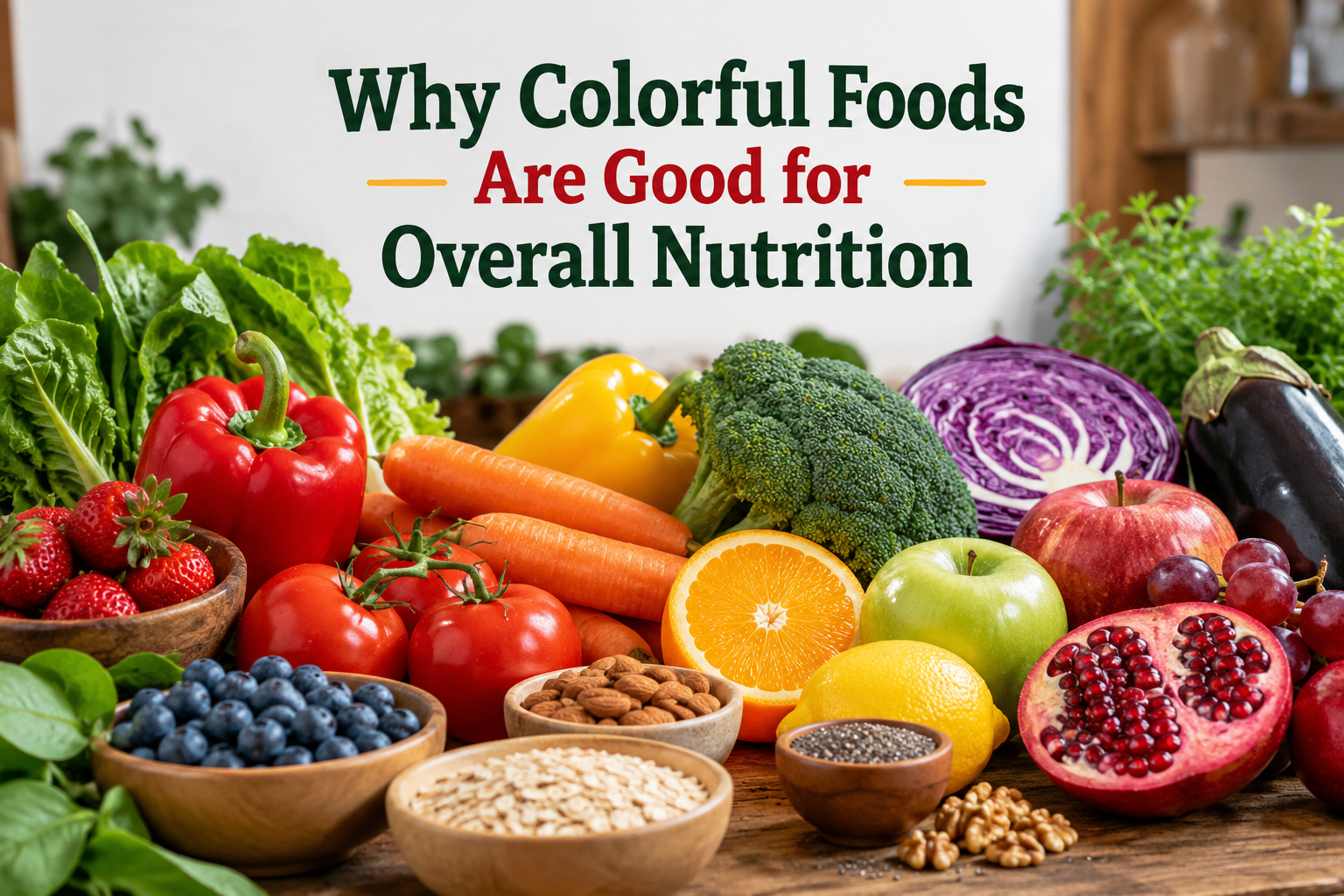
Using different colors and varieties can also improve the overall nutritional quality of meals.
Portion Size and Carbohydrates
Carbohydrates are an important source of energy and should not automatically be avoided.
Foods such as rice, bread, oats, potatoes, pasta, and whole grains can all be part of healthy eating.
The problem often comes from eating very large portions while consuming limited vegetables or protein.
For example, instead of eating a very large plate of rice alone, a person can eat a moderate portion of rice with vegetables, lentils, chicken, fish, or another protein source.
Choosing whole grain options when possible may also provide more fiber and nutrients.
Portion Size and Healthy Fats
Healthy fats are essential for the body.
They support cell function, hormone production, and the absorption of certain vitamins.
Sources of healthy fats include nuts, seeds, olive oil, avocado, and some types of fish.
However, fats provide more calories per gram than protein or carbohydrates. This means even healthy fats should be eaten in sensible portions.
Adding a little oil to a meal may be appropriate, while using large amounts can significantly increase the total energy content.
Portion awareness allows people to receive the benefits of healthy fats without consuming excessive amounts.
Restaurant Portions Can Be Larger Than Needed
Eating at restaurants can make portion control more difficult.
Many restaurants serve meals that are larger than what a person would normally prepare at home. Large plates and generous portions can encourage people to keep eating even after they are satisfied.
One useful approach is to stop eating when comfortably full rather than feeling required to finish the entire meal.
Another option is to share a large meal with someone or save part of it for later.
Choosing side salads, vegetables, grilled foods, or smaller portions can also make restaurant meals more balanced.
Healthy eating does not require avoiding restaurants completely. It simply requires better awareness.
Portion Size and Snacking
Snacks can support a healthy eating routine when they are chosen carefully.
However, eating directly from a large packet can make it difficult to notice how much has been consumed.
Instead of taking an entire bag of chips, nuts, crackers, or other snacks to the sofa or desk, it can be helpful to place a reasonable amount in a small bowl.
This creates a clear portion before eating begins.
Healthy snack options may include fruit, yogurt, nuts, seeds, vegetables, or other nutritious foods depending on individual preferences.
Portion Size and Sugary Drinks
Portion awareness is also important for drinks.
Soft drinks, sweetened juices, energy drinks, flavored coffees, and other sugary beverages can contain a considerable amount of sugar.
Large drink sizes can make it easy to consume more sugar than expected.
Water should usually be the main drink for hydration.
Unsweetened tea, milk, or other suitable beverages can also fit into a healthy diet depending on personal needs.
Simply reducing the size of sugary drinks can make a meaningful difference without requiring an immediate complete change.
How to Estimate Healthy Portions
People do not always need weighing scales or measuring cups to manage portion sizes.
Simple visual methods can be useful.
For example, the palm of the hand can provide a rough guide for a portion of protein. A closed fist can help estimate certain carbohydrate portions. A cupped hand may be useful for some snacks, while the thumb can give a general idea of smaller portions of fats.
These methods are not exact measurements, but they can help develop awareness.
Using smaller plates can also make portion management easier because the plate naturally limits how much food is served.
Avoid Extreme Portion Control
Healthy portion control should never mean starving yourself.
Eating portions that are too small can leave a person tired, hungry, irritable, and more likely to overeat later.
The purpose of portion awareness is to provide the body with enough food while avoiding regular excess.
A healthy meal should feel satisfying.
If a person constantly feels hungry after meals, the meal may need more vegetables, protein, fiber, healthy fats, or simply a slightly larger portion.
Balance is more important than restriction.
Eat Mindfully
Mindful eating can make portion control much easier.
Mindful eating means paying attention to the meal instead of eating automatically.
Notice the appearance, smell, taste, and texture of the food. Eat slowly and observe how hunger changes during the meal.
Try to reduce distractions when possible.
When people focus on their food, they are often better able to recognize the point when they have had enough.
This approach can improve enjoyment as well.
Eating slowly may help a smaller portion feel more satisfying than eating a large meal quickly.
Plan Meals Before You Become Extremely Hungry
Extreme hunger can make portion control difficult.
When people skip meals for long periods, they may become so hungry that they eat very quickly and choose larger portions than usual.
Planning regular meals can help prevent this situation.
Keeping healthy food available at home can also reduce the temptation to rely on oversized fast food meals or highly processed snacks.
Simple preparation can make healthy eating much easier.
Portion Size Does Not Have to Be Perfect
One important thing to remember is that healthy eating does not require perfect portion sizes at every meal.
Some days you may eat slightly more. On other days you may naturally eat less.
Hunger levels can change depending on physical activity, sleep, stress, temperature, and many other factors.
The goal is not perfection.
The goal is to build a consistent habit of paying attention to how much food your body actually needs.
Healthy eating is usually created through repeated everyday choices rather than one perfect meal.
Final Thoughts
Portion size matters because healthy eating depends on both food quality and food quantity.
Choosing nutritious foods is important, but eating reasonable amounts helps the body receive the nutrients and energy it needs without regular excess.
Better portion control can support healthy weight management, balanced nutrition, comfortable digestion, steady energy, and greater awareness of hunger and fullness.
Simple habits can make a major difference. Use reasonable plates, include plenty of vegetables, add a suitable portion of protein, keep carbohydrate portions balanced, use healthy fats moderately, eat slowly, and pay attention to your body’s signals.
Most importantly, remember that portion control is not about strict restriction. It is about balance.
When portion size becomes part of everyday healthy eating, meals can remain enjoyable, satisfying, and nutritious while supporting long term health.