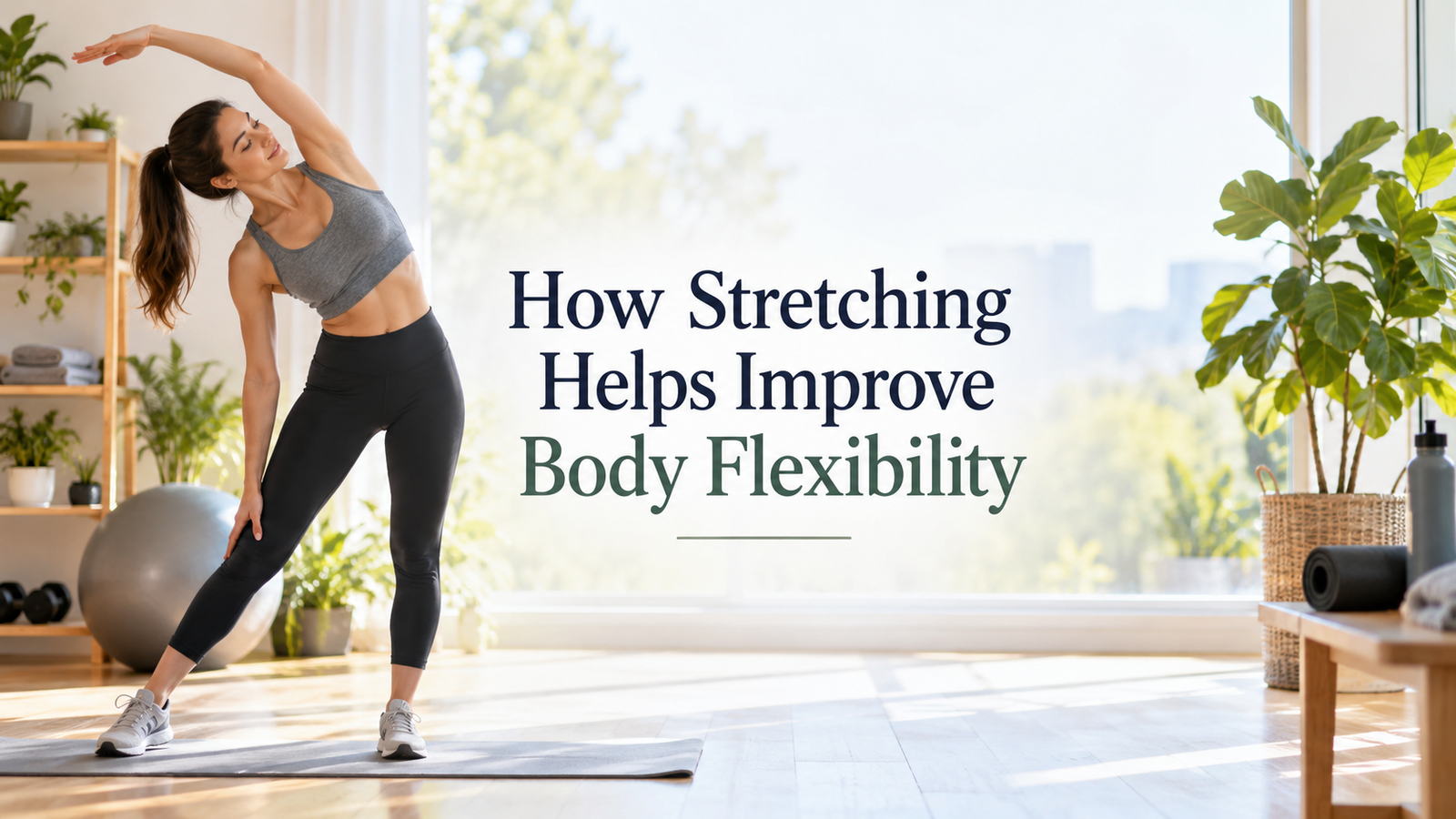
Flexibility is an important part of a healthy and active body. It allows the muscles and joints to move comfortably through a wider range of motion. Good flexibility can make everyday activities easier, improve posture, support exercise performance, and help the body move with less stiffness. One of the simplest ways to improve flexibility is through regular stretching.
Stretching does not require expensive equipment or a gym membership. It can be done at home, in the office, at a park, or before and after physical activity. Even a few minutes of stretching each day may gradually improve the way the body moves.
Understanding how stretching helps improve body flexibility can make it easier to build a healthy movement routine. Flexibility usually develops slowly, so consistency is more important than trying to stretch as far as possible in one session.
What Is Body Flexibility?
Body flexibility refers to the ability of muscles and joints to move through their natural range of motion. A flexible person can usually perform movements more comfortably without feeling excessive tightness.
Flexibility is different for every person. Age, activity level, lifestyle, muscle condition, joint structure, and daily habits can all influence how flexible someone is.
For example, a person who spends many hours sitting may notice tightness in the hips, lower back, shoulders, or legs. Someone who regularly walks, exercises, stretches, or participates in sports may maintain greater mobility.
Flexibility is also specific to different parts of the body. A person may have flexible shoulders but tight hamstrings. This is why a balanced stretching routine should include several major muscle groups.
How Stretching Improves Flexibility
Stretching gently lengthens muscles and encourages them to become more comfortable at longer positions. When stretching is performed regularly, the muscles and surrounding tissues may gradually become more adaptable.
During a stretch, tension is placed on the muscle fibers. The nervous system also becomes familiar with the position. Over time, the body may allow a slightly greater range of movement without creating the same feeling of tightness.
This process does not happen immediately. One stretching session may temporarily make the body feel looser, but long term flexibility usually develops through repeated practice.
The key is gentle and consistent stretching rather than forcing the body into uncomfortable positions.
Stretching Helps Increase Range of Motion
One of the main benefits of stretching is improved range of motion.
Range of motion describes how far a joint can comfortably move. For example, the shoulder joint allows the arms to move in many directions, while the knee mainly bends and straightens.
When muscles around a joint are tight, movement may feel restricted. Stretching these muscles can gradually make movement easier.
Improved range of motion can be useful during everyday activities such as bending, reaching, walking, climbing stairs, dressing, or lifting objects.
For people who exercise, better mobility may also make certain movements such as squats, lunges, swimming strokes, or yoga positions more comfortable.
Stretching Can Reduce Muscle Stiffness
Muscles can become stiff after long periods of inactivity. Sitting at a desk, driving for many hours, or staying in the same position can make parts of the body feel tight.
Common areas of stiffness include the neck, shoulders, lower back, hips, hamstrings, and calves.
Gentle stretching encourages movement in these areas and may help muscles feel more relaxed.
For example, someone who works at a computer may benefit from stretching the chest, shoulders, neck, wrists, and upper back during short breaks.
Standing up and stretching regularly can help prevent the body from remaining in one position for too long.
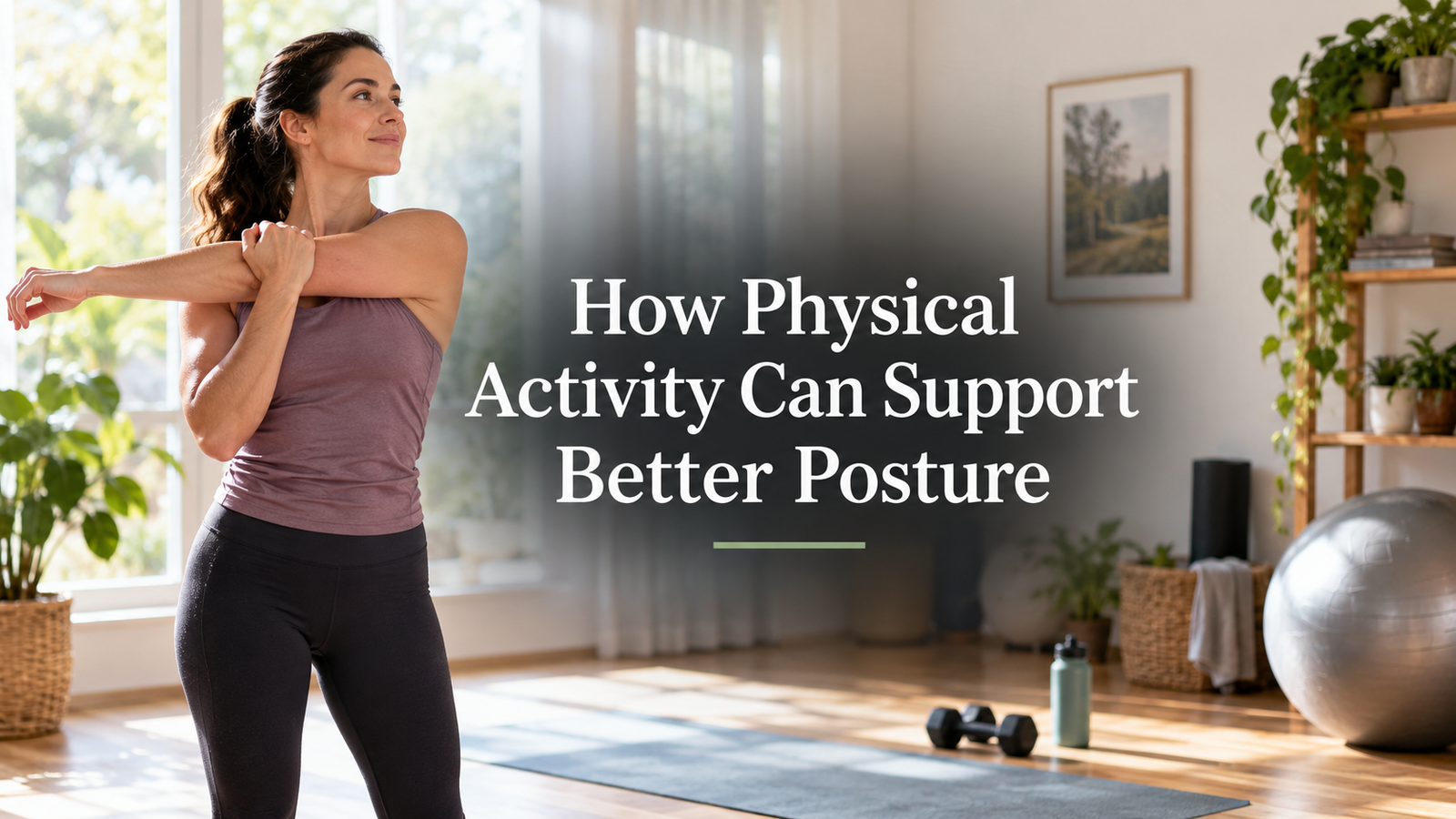
Stretching Supports Better Posture
Modern lifestyles often involve long periods of sitting. Poor sitting habits may contribute to tight muscles and uncomfortable posture.
For example, sitting with the shoulders rounded forward for many hours can create tightness around the chest and shoulders.
Stretching the chest, neck, shoulders, hips, and back may support better movement and make it easier to maintain a comfortable posture.
However, stretching alone is not the complete solution for posture. Muscle strength, workplace setup, movement habits, and body awareness also play important roles.
A combination of stretching and strengthening exercises is usually more effective than relying on stretching alone.
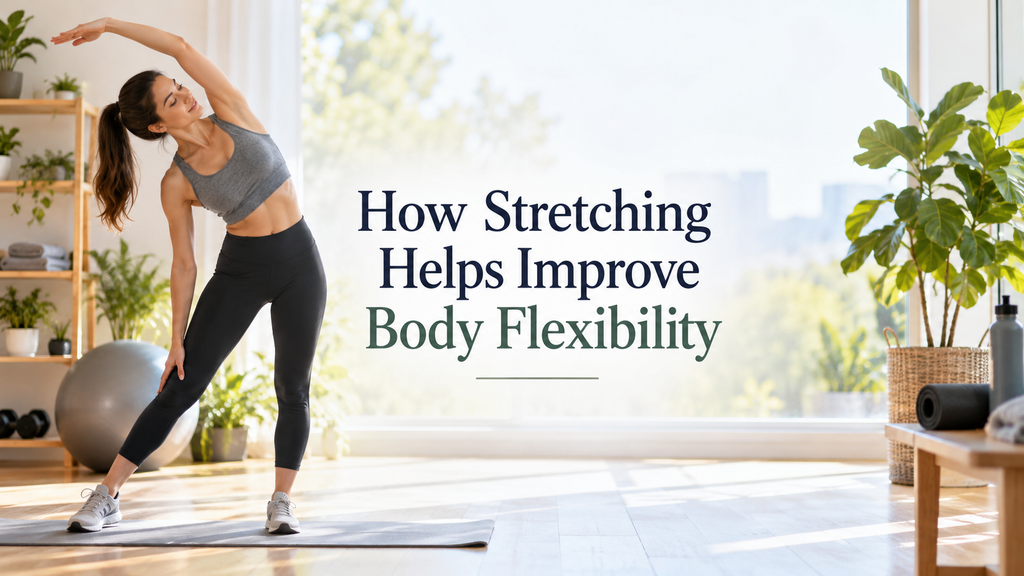
Stretching Makes Daily Movement Easier
Flexibility is not only useful for athletes. It is important for everyday life.
Simple activities such as reaching for something on a shelf, tying shoes, getting into a car, picking something up from the floor, or turning the body can require flexibility.
When muscles are very tight, these movements may feel uncomfortable or restricted.
Regular stretching helps maintain mobility, which can make daily activities easier.
This becomes especially important as people get older because natural flexibility may gradually decrease with age.
Staying physically active and maintaining a stretching routine can help support comfortable movement throughout life.
Different Types of Stretching
There are several types of stretching, but static and dynamic stretching are among the most common.
Static stretching involves holding a stretch in one position for a period of time. For example, bending forward gently to stretch the back of the legs is a form of static stretching.
Dynamic stretching involves controlled movements that move muscles and joints through a range of motion. Arm circles, gentle leg swings, and walking lunges are examples.
Dynamic stretches are often useful before physical activity because they help prepare the body for movement.
Static stretches are often performed after exercise or during a separate flexibility session.
Both types can be useful when performed correctly.
Why Consistency Matters
Flexibility develops gradually. Stretching once every few weeks is unlikely to create noticeable long term improvements.
A short routine performed regularly is usually more useful.
For many people, stretching several times a week can be a practical starting point. Some people prefer stretching every day, especially if the movements are gentle.
The body adapts through repetition.
A person who consistently stretches the hamstrings, for example, may gradually notice that bending forward becomes easier.
Progress should be slow and controlled. Flexibility does not need to improve dramatically to provide benefits.
Even small improvements in movement can make everyday activities more comfortable.
Stretching Should Not Be Painful
Many people mistakenly believe that stretching needs to hurt in order to work.
A stretch should normally create mild tension rather than sharp pain.
If a position causes strong pain, numbness, tingling, or unusual discomfort, the stretch should be stopped.
Forcing a stretch too far can place unnecessary stress on muscles and joints.
Gentle stretching is usually safer and more effective because it allows the body to relax into the position gradually.
Breathing slowly during stretching can also help reduce unnecessary muscle tension.
Warm Muscles Usually Stretch More Comfortably
Stretching cold muscles may feel uncomfortable.
A few minutes of light movement can help warm the body before deeper stretching. Walking, marching in place, or performing gentle joint movements can increase circulation and prepare the muscles.
After exercise, muscles are usually warmer, which can make static stretching feel easier.
However, stretching does not always need to happen immediately after exercise. A separate flexibility routine can also be useful as long as the body is prepared with some gentle movement first.
Important Areas to Stretch
A balanced flexibility routine can focus on the major muscle groups used in everyday movement.
The legs are especially important because the hips, thighs, calves, and hamstrings are involved in walking, standing, bending, and climbing stairs.
The upper body should also receive attention. Stretching the shoulders, chest, neck, arms, and back can be helpful for people who spend long hours sitting or using computers.
Instead of focusing only on one tight area, it is usually better to maintain flexibility throughout the body.
Balanced mobility helps different muscles and joints work together more comfortably.
Stretching and Exercise Performance
Flexibility can support many types of physical activity.
Runners may benefit from comfortable movement around the hips and ankles. Swimmers require good shoulder mobility. Cyclists may need flexibility in the hips and legs. People who perform strength training often need enough mobility to complete exercises with proper form.
However, extreme flexibility is not necessary for most activities.
The goal should usually be functional flexibility, meaning enough mobility to move comfortably and safely.
Strength and flexibility work together. Flexible muscles without adequate strength may not always provide good joint control.
This is why a balanced fitness routine usually includes strength training, cardiovascular activity, and mobility exercises.
Stretching Can Encourage Relaxation
Stretching can also provide a calming effect.
Slow movements combined with steady breathing may help the body feel more relaxed after a busy day.
Many people enjoy stretching in the evening because it gives them a few quiet minutes to focus on breathing and body awareness.
A gentle stretching routine can also encourage people to notice areas where they are carrying unnecessary tension.
For example, stress may cause some people to tighten their shoulders or neck without realizing it.
Slow stretching may help them become more aware of these patterns.
Flexibility Changes With Age
Children are often naturally flexible, but flexibility can gradually decrease with age.
This change may become more noticeable when people become less physically active.
Muscles and joints usually benefit from regular movement throughout life.
Older adults do not necessarily need intense stretching routines. Gentle mobility exercises can help maintain comfortable movement and independence.
The important goal is to work within a comfortable range.
People who have joint conditions, injuries, or other health concerns may benefit from guidance from a qualified healthcare or fitness professional before starting new exercises.
Simple Tips for Better Stretching
Good stretching habits can make a flexibility routine more comfortable and effective.
Begin with gentle movement to warm the body.
Move slowly into each stretch instead of bouncing.
Keep breathing naturally.
Avoid forcing joints beyond a comfortable range.
Stretch both sides of the body when appropriate.
Focus on the major muscle groups.
Practice regularly rather than stretching aggressively.
Give the body enough time to adapt.
These simple habits can help make stretching a sustainable part of daily life.
How Long Does It Take to Become More Flexible?
There is no exact timeline because flexibility depends on many factors.
Some people may notice small improvements within a few weeks of regular stretching. Others may need several months to experience noticeable changes.
Age, activity level, previous flexibility, muscle tightness, and consistency all influence progress.
Instead of comparing flexibility with someone else, it is better to monitor personal improvement.
For example, a person may notice that reaching toward the feet becomes easier or that shoulder movement feels more comfortable.
These small changes are signs that flexibility may be improving.
Stretching as Part of a Healthy Lifestyle
Stretching works best when combined with other healthy habits.
Regular walking, strength exercises, good posture, adequate sleep, balanced nutrition, and proper hydration all support overall physical health.
Movement throughout the day is particularly important.
Someone who stretches for ten minutes but then sits without moving for the next ten hours may still experience stiffness.
Short movement breaks, standing regularly, and changing positions can support flexibility throughout the day.
The human body is designed to move, and regular movement helps muscles and joints remain active.
Final Thoughts
Stretching is one of the simplest ways to support body flexibility and comfortable movement. Regular stretching can help improve range of motion, reduce feelings of stiffness, support posture, and make everyday activities easier.
The most important part of improving flexibility is consistency. There is no need to force the body into extreme positions. Gentle stretching performed regularly can gradually help muscles become more comfortable through a wider range of movement.
Flexibility is also only one part of physical health. Strength, cardiovascular fitness, balance, rest, and daily movement are equally important.
By adding a few minutes of stretching to a normal routine, people can support mobility and maintain comfortable movement over time. A flexible body is not about performing difficult poses. It is about having enough freedom of movement to complete everyday activities with greater comfort and confidence.