
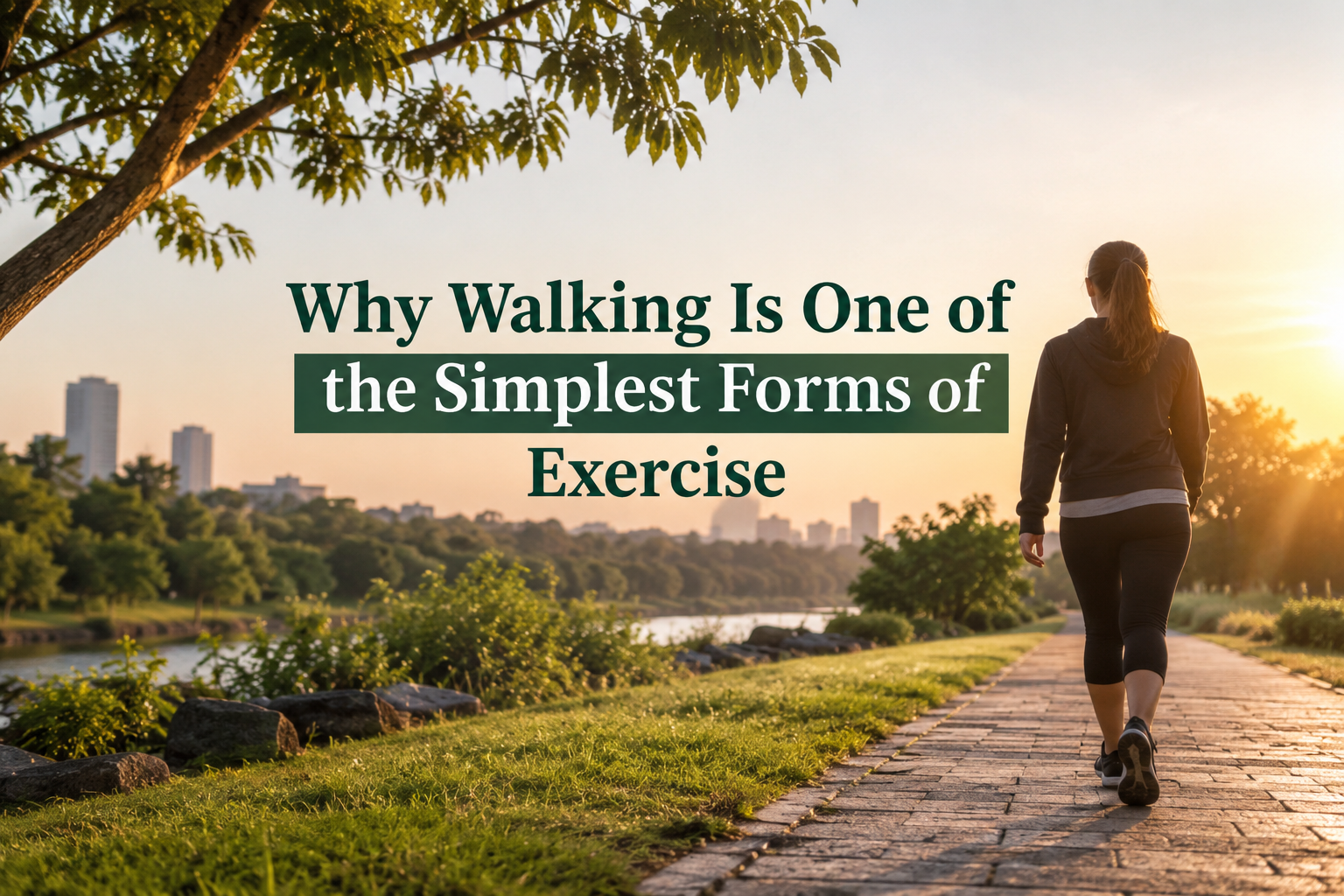
Exercise is often associated with gyms, heavy equipment, running tracks, complicated workout plans, and strict schedules. However, one of the easiest and most practical forms of exercise is something most people already do every day. Walking is a simple physical activity that can support overall health without requiring special equipment, expensive memberships, or advanced training.
Walking can be performed by people of many different ages and fitness levels. It can be done almost anywhere, including parks, streets, shopping areas, workplaces, and even inside the home. This accessibility is one of the main reasons walking remains one of the simplest forms of exercise.
Although walking may look like an ordinary daily activity, regular walking can help the body stay active, improve endurance, support heart health, and encourage a healthier lifestyle. The key is consistency. A regular walking routine can gradually become an important part of everyday wellness.
Walking Requires Very Little Preparation
One of the biggest advantages of walking is that it does not require complicated preparation. Many forms of exercise need equipment, special clothing, a gym, or professional instruction. Walking usually requires nothing more than comfortable shoes and a safe place to move.
A person can simply step outside and begin walking. Even a short walk around the neighborhood can provide physical activity.
This makes walking especially useful for people who find traditional exercise difficult to fit into their schedules. Someone may not have enough time to visit a gym, but they may still be able to walk for a few minutes before work, during a lunch break, or after dinner.
Walking can easily become part of daily life.
Walking Helps Keep the Body Active
Modern lifestyles often involve long periods of sitting. People may spend hours working at computers, driving, watching television, or using mobile devices.
When the body remains inactive for long periods, muscles receive less regular movement. Walking provides a simple way to add more physical activity to the day.
During walking, many muscles work together. The legs move the body forward while the hips, core, and back help maintain balance and posture. The arms may also move naturally with each step.
Although walking is less intense than many workouts, it still encourages the body to remain active.
Regular movement can help improve physical comfort and make everyday activities feel easier.
Walking Supports Heart Health
Walking can also contribute to cardiovascular health. The heart is responsible for pumping blood throughout the body, and physical activity encourages the cardiovascular system to work efficiently.
When a person walks at a moderate pace, the heart rate usually increases slightly. This encourages blood circulation and allows the body to deliver oxygen and nutrients to working muscles.
A consistent walking habit can become part of a heart healthy lifestyle when combined with balanced nutrition, adequate sleep, stress management, and regular medical care.
Walking does not need to be extremely intense to be useful. Even moderate movement performed regularly can support general fitness.
Walking Can Improve Endurance
People who are not physically active may become tired quickly when climbing stairs, walking long distances, or performing household tasks.
Regular walking can gradually improve endurance.
At first, someone may only feel comfortable walking for ten or fifteen minutes. With regular practice, that same person may eventually walk for thirty minutes or longer without becoming as tired.
This improvement happens because the body slowly adapts to regular physical activity.
The heart, lungs, and muscles become more familiar with sustained movement.
Increasing walking time gradually can make exercise feel less overwhelming and more achievable.
Walking Is Gentle on the Body
Another reason walking is one of the simplest forms of exercise is that it is generally gentle compared with many high intensity activities.
Running, jumping, and intense sports can place greater force on joints and muscles. Walking usually involves smoother and more controlled movement.
This makes it attractive for beginners, older adults, or people who prefer moderate physical activity.
However, individuals with joint problems, injuries, heart conditions, or other medical concerns should discuss suitable exercise with a qualified healthcare professional.
Walking should always feel comfortable and controlled.
Walking Can Support Healthy Weight Management
Walking uses energy because the muscles must work to move the body.
The amount of energy used depends on several factors, including walking speed, distance, body size, terrain, and duration.
Walking alone is not a complete solution for weight management, but it can contribute to an active lifestyle.
When regular walking is combined with balanced eating habits, adequate sleep, and realistic lifestyle choices, it may support long term weight management.
One advantage of walking is that it can be repeated frequently without requiring intense recovery.
A person can build the habit slowly instead of suddenly starting a difficult exercise program.
Walking May Support Better Mood
Physical activity can influence both the body and the mind.
A peaceful walk outdoors may help someone feel refreshed after spending several hours working or studying.
Walking can also provide a short break from screens, responsibilities, and busy surroundings.
Some people enjoy walking alone because it gives them quiet time to think. Others prefer walking with friends or family because it turns exercise into a social activity.
Walking in natural environments such as parks or gardens can also make the experience more enjoyable.
The combination of movement, fresh air, and a change of environment can create a positive daily routine.
Walking Can Reduce Long Periods of Sitting
Many people do not realize how much time they spend sitting.
Office workers may sit for several hours during the working day. Students may spend long periods studying. Drivers may remain seated for much of their work.
Adding short walking breaks can help reduce continuous sitting.
For example, someone can walk for five minutes after completing an hour of desk work. A person may also choose to walk while making a phone call or take a short walk after lunch.
These small periods of movement may seem insignificant, but they can add meaningful activity throughout the day.
Exercise does not always need to happen in one long session.
Walking Can Fit Into a Busy Lifestyle
One major reason people stop exercising is difficulty maintaining a schedule.
Walking is flexible.
A person can walk early in the morning, during lunch, after work, or in the evening.
Walking can also be combined with ordinary responsibilities.
For example, someone may walk to a nearby shop instead of driving. Another person may park slightly farther from the entrance of a building. Taking stairs when appropriate can also add additional movement.
These small choices can increase daily physical activity without requiring a completely separate workout schedule.
Walking Can Be Enjoyable
Exercise is easier to maintain when it feels enjoyable.
Walking offers many ways to make physical activity interesting.
Some people enjoy listening to music while walking. Others prefer podcasts, audiobooks, or simply the sounds of the surrounding environment.
Walking with a friend can make the activity feel social rather than exercise focused.
Changing walking routes can also make the routine more interesting.
A person may walk through different parks, neighborhoods, markets, or nature areas.
Enjoyable routines are often easier to repeat consistently.
Walking Can Support Better Sleep Habits
Regular physical activity can be part of a healthy daily routine that supports better sleep.
People who spend the entire day inactive may sometimes feel mentally tired but physically restless.
Walking provides the body with natural movement and energy use during the day.
An evening walk may also help some people transition from a busy day toward a calmer night.
However, sleep quality depends on many factors, including stress, caffeine intake, screen habits, bedroom environment, and daily routines.
Walking should be viewed as one helpful part of an overall healthy lifestyle.
Walking Helps Build Exercise Confidence
Beginning an exercise program can sometimes feel intimidating.
People may worry that they are not fit enough to exercise or that they cannot complete difficult workouts.
Walking removes much of this pressure.
A beginner can start with a small goal, such as walking for ten minutes.
After several days, that person may feel comfortable increasing the duration.
These small achievements can build confidence.
Once someone becomes comfortable with regular walking, they may decide to add other forms of exercise such as cycling, swimming, strength training, or stretching.
Walking can therefore act as a simple starting point for a more active lifestyle.
Walking Pace Can Be Adjusted Easily
Another useful feature of walking is that the intensity can be changed very easily.
A slow walk can be relaxing, while a brisk walk can provide a stronger workout.
Someone can also walk uphill, climb gentle slopes, or increase walking distance to make the activity more challenging.
This flexibility allows people to adjust walking according to their fitness level.
Beginners may start slowly, while more active individuals can walk faster or cover longer distances.
The ability to control pace makes walking suitable for many different people.
Walking Encourages Consistency
The most effective exercise is often the exercise that a person can continue doing regularly.
A complicated workout program may produce good results, but it can become difficult to maintain when life becomes busy.
Walking is different because it requires very little planning.
A person can walk almost every day without changing the entire daily schedule.
This simplicity makes consistency easier.
Regular walking for several months may contribute more to an active lifestyle than an intense exercise routine that lasts only a few days.
How to Start a Walking Routine
Starting a walking routine does not need to be complicated.
Choose a safe and comfortable location.
Wear comfortable footwear.
Begin with a pace that feels natural.
Someone who has been inactive may start with ten to fifteen minutes of walking.
Over time, the duration can gradually increase.
Another useful approach is to focus on distance rather than time. A person might begin by walking around one block and slowly increase the route.
Listening to the body is important.
Exercise should feel challenging enough to encourage movement but not so difficult that it causes unusual pain or extreme discomfort.
Simple Ways to Walk More Every Day
Walking opportunities can be found throughout the day.
You can walk while talking on the phone.
You can take a short walk after meals.
You can walk to nearby shops when possible.
You can choose stairs instead of elevators when appropriate.
You can take short walking breaks during work.
You can walk with family members in the evening.
You can explore a nearby park during weekends.
These small activities can gradually increase daily movement.
The goal does not always need to be a formal exercise session. Simply becoming more active throughout the day can be valuable.
Walking Does Not Require Perfection
Some people avoid exercise because they believe they must follow a perfect routine.
Walking shows that physical activity can be simple.
Missing one day does not mean the routine has failed.
Walking slowly does not mean the activity is useless.
Short walks still count as movement.
The most important idea is to create a realistic habit that can continue over time.
A consistent routine should match a person’s lifestyle, fitness level, and health needs.
Final Thoughts
Walking is one of the simplest forms of exercise because it is accessible, flexible, inexpensive, and easy to include in everyday life.
It requires very little preparation and can be adjusted according to individual fitness levels.
Regular walking can help keep the body active, support cardiovascular fitness, improve endurance, reduce long periods of sitting, and encourage healthier daily habits.
It can also provide time for relaxation, social connection, and mental refreshment.
The greatest strength of walking is its simplicity.
Exercise does not always need to involve complicated machines or demanding routines. Sometimes a simple walk around the neighborhood, through a park, or along a quiet street can be an effective way to add meaningful physical activity to the day.
Starting with a few minutes and gradually building a regular walking habit can help create a more active lifestyle.
When combined with balanced nutrition, adequate sleep, proper hydration, and other healthy habits, walking can become a practical and enjoyable part of everyday wellness.