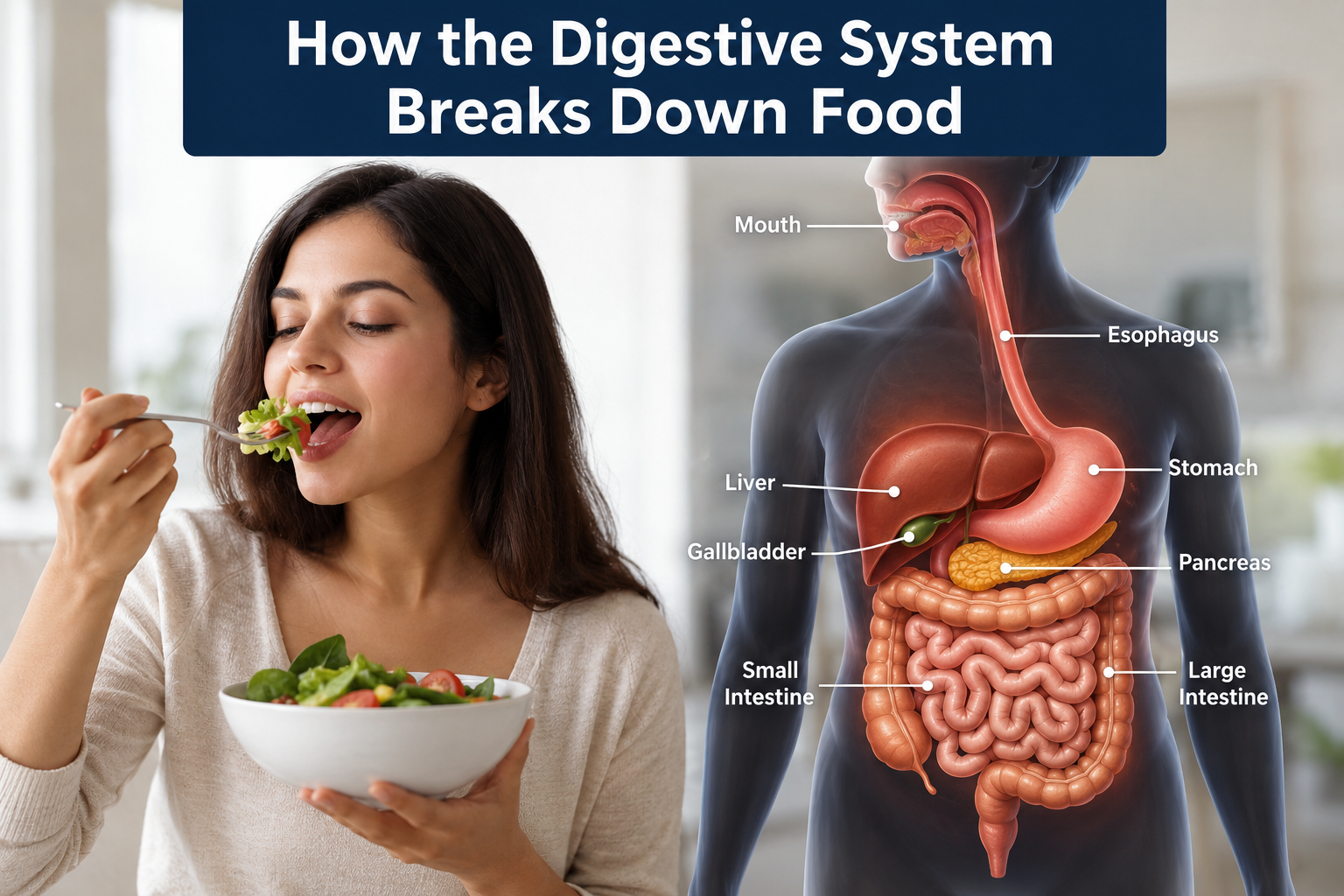
The digestive system is one of the most important systems in the human body. Every meal we eat contains nutrients that the body needs for energy, growth, repair, and normal daily functions. However, food cannot usually be used by the body in the form in which we eat it. It first has to be broken down into much smaller substances. This process is known as digestion.
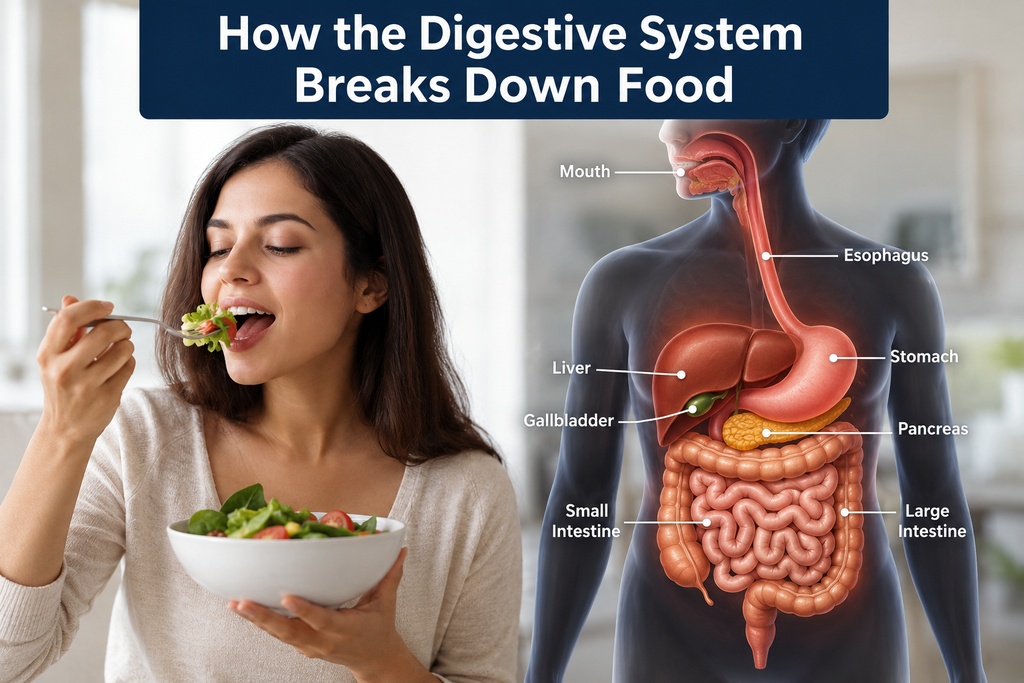
Understanding how the digestive system breaks down food can make healthy eating much easier to understand. Digestion is not controlled by just one organ. It is a carefully organized process involving the mouth, esophagus, stomach, small intestine, large intestine, liver, pancreas, gallbladder, and several digestive enzymes.
From the moment food enters the mouth until waste leaves the body, the digestive system is working continuously. Each organ has a specific role, and together they help the body extract useful nutrients from food.
What Is the Digestive System?
The digestive system is a group of organs that work together to process food, absorb nutrients, and remove waste.
The main digestive tract is a long passage that begins at the mouth and ends at the anus. Along this pathway, food is crushed, mixed, dissolved, chemically broken down, absorbed, and finally turned into waste.
The digestive system has three major jobs.
The first job is to break food into smaller particles.
The second job is to absorb nutrients such as carbohydrates, proteins, fats, vitamins, minerals, and water.
The third job is to remove substances that the body cannot use.
This entire process may take many hours because food moves through several different organs before digestion is complete.
Digestion Begins in the Mouth
The process of digestion starts before food even reaches the stomach. It begins in the mouth.
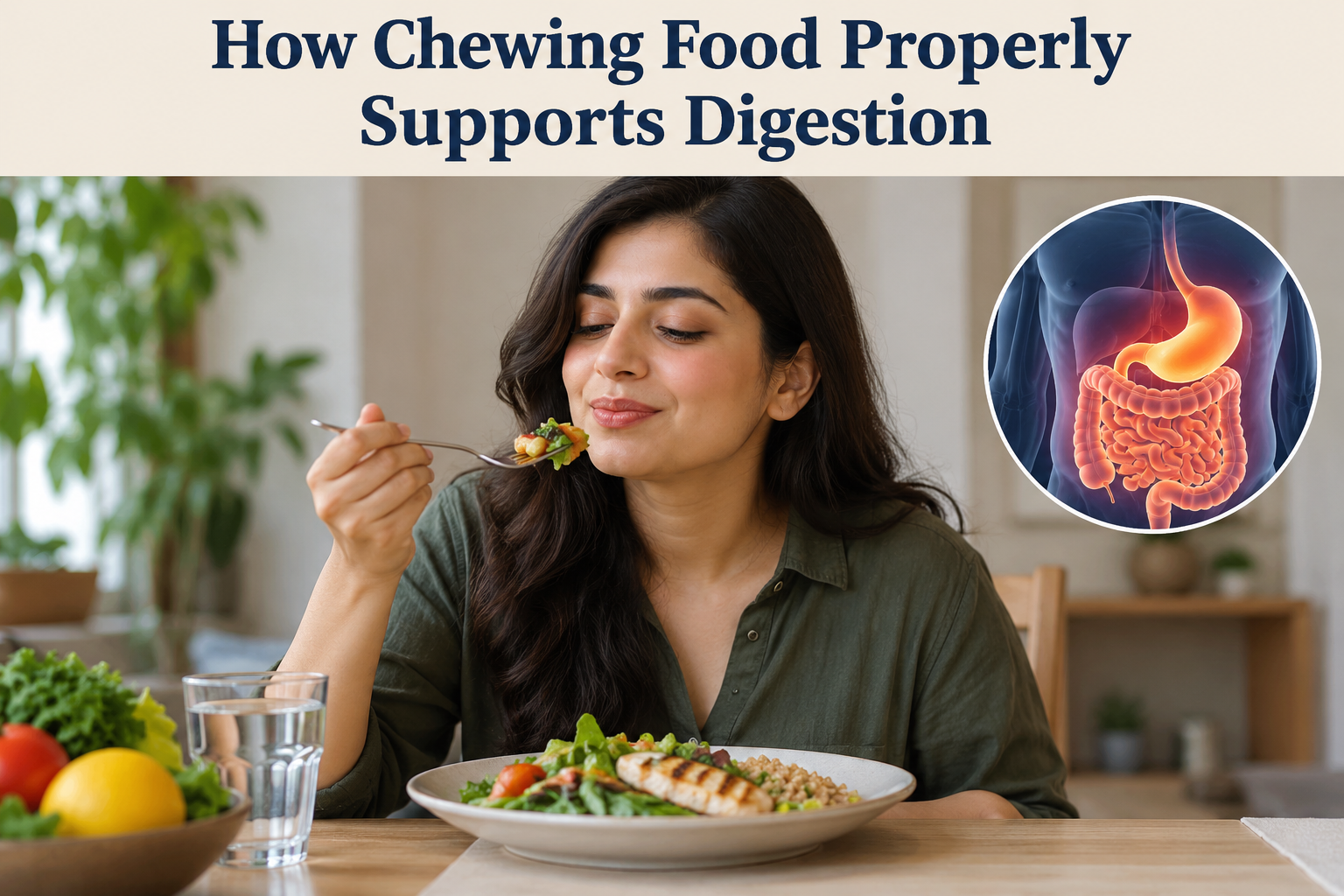
When we chew food, the teeth physically break it into smaller pieces. This is known as mechanical digestion. Breaking food into smaller pieces increases its surface area, making it easier for digestive enzymes to act on it.
The tongue also plays an important role. It moves food around the mouth, mixes it with saliva, and helps form it into a soft mass that can be swallowed.
Saliva is produced by the salivary glands. It keeps food moist and makes swallowing easier. Saliva also contains an enzyme called amylase.
Amylase begins the digestion of carbohydrates, especially starch. For example, when we eat bread, rice, or potatoes, carbohydrate digestion begins while the food is still in the mouth.
Chewing food properly is therefore an important first step in healthy digestion.
Food Travels Through the Esophagus
After food is chewed and swallowed, it enters the esophagus.
The esophagus is a muscular tube connecting the mouth to the stomach. Food does not simply fall through this tube. Instead, muscles in the walls of the esophagus contract in a coordinated pattern.
These wave like muscular movements are called peristalsis.
Peristalsis pushes food downward toward the stomach. It happens automatically, which means we do not have to consciously control it.
A ring of muscle near the lower end of the esophagus opens to allow food into the stomach. It then closes again to help prevent stomach contents from moving backward.
The Stomach Mixes and Breaks Down Food
The stomach is a muscular organ that temporarily stores food and continues the digestive process.
Once food enters the stomach, strong muscles in the stomach wall begin mixing and churning it. This mechanical action combines food with digestive fluids.
The stomach produces gastric juice, which contains hydrochloric acid and digestive enzymes.
Stomach acid creates an acidic environment that helps break down food and supports the activity of certain enzymes. It also helps destroy many microorganisms that may enter the body through food.
One important enzyme in the stomach is pepsin. Pepsin helps break proteins into smaller pieces called peptides.
Foods such as meat, fish, eggs, beans, and dairy products contain protein. Protein digestion begins mainly in the stomach and continues later in the small intestine.
After several hours of mixing, food becomes a thick liquid mixture called chyme.
The stomach gradually releases this mixture into the small intestine.
The Small Intestine Does Most of the Digestion
The small intestine is one of the most important parts of the digestive system. Despite its name, it is several meters long.
Most chemical digestion and nutrient absorption take place in the small intestine.
The small intestine has three main sections called the duodenum, jejunum, and ileum.
When partially digested food enters the first section, it mixes with digestive substances from the pancreas, liver, and intestinal lining.
These substances help break carbohydrates, proteins, and fats into forms that the body can absorb.
The Pancreas Produces Digestive Enzymes
The pancreas plays a major role in digestion.
It produces several important digestive enzymes and releases them into the small intestine.
Pancreatic amylase helps break down carbohydrates.
Protease enzymes help break down proteins.
Lipase helps break down fats.
The pancreas also releases bicarbonate, which helps reduce the acidity of food coming from the stomach.
This is important because many enzymes in the small intestine work best in a less acidic environment.
Without proper pancreatic function, the digestion of several major nutrients would become much more difficult.
The Liver Produces Bile
The liver is another important organ involved in digestion.
One of its digestive functions is the production of bile.
Bile is a fluid that helps the body digest fats. It does not break fat down in the same way that enzymes do. Instead, it helps separate large fat droplets into smaller droplets.
This process makes it easier for the enzyme lipase to act on fats.
Bile is produced by the liver and stored in the gallbladder. When fatty foods enter the small intestine, the gallbladder releases bile.
This allows fat digestion to continue efficiently.
Carbohydrates Are Broken Down Into Simple Sugars
Carbohydrates are an important source of energy for the body.
Foods such as rice, bread, fruit, potatoes, pasta, and grains contain carbohydrates.
During digestion, carbohydrates are gradually broken down into smaller sugars. The final goal is to produce simple sugar molecules, especially glucose.
Glucose can be absorbed into the bloodstream and transported to cells throughout the body.
Cells use glucose as an important source of energy.
Any glucose that is not immediately needed may be stored in the liver and muscles for later use.
Proteins Are Broken Down Into Amino Acids
Protein is required for growth, muscle repair, enzymes, hormones, skin, and many other body structures.
Before the body can use dietary protein, it must be broken down into smaller units called amino acids.
Protein digestion begins in the stomach with the help of acid and pepsin.
It continues in the small intestine, where enzymes from the pancreas and intestinal lining break protein fragments into amino acids.
These amino acids are then absorbed through the intestinal wall and enter the bloodstream.
The body can use them to build and repair tissues.
Fats Are Broken Down Into Fatty Acids
Fats are an important source of energy and are needed for healthy cell membranes, hormone production, and the absorption of certain vitamins.
However, fats are more difficult to digest because they do not mix easily with water.
Bile helps by separating fat into smaller droplets.
Lipase then breaks these fats down into smaller substances, mainly fatty acids and glycerol related compounds.
These substances are absorbed through the small intestine.
The body can then use them for energy, storage, and many important biological functions.
Nutrients Are Absorbed Through the Small Intestine
Breaking down food is only one part of digestion. The nutrients must also enter the body.
The inner surface of the small intestine contains millions of tiny finger shaped structures called villi.
These villi greatly increase the surface area available for nutrient absorption.
Each villus contains small blood vessels and lymph vessels.
Simple sugars, amino acids, vitamins, minerals, and many other nutrients pass through the intestinal wall and enter the circulation.
Most fats enter the lymphatic system before eventually reaching the bloodstream.
The structure of the small intestine makes nutrient absorption highly efficient.
What Happens in the Large Intestine?
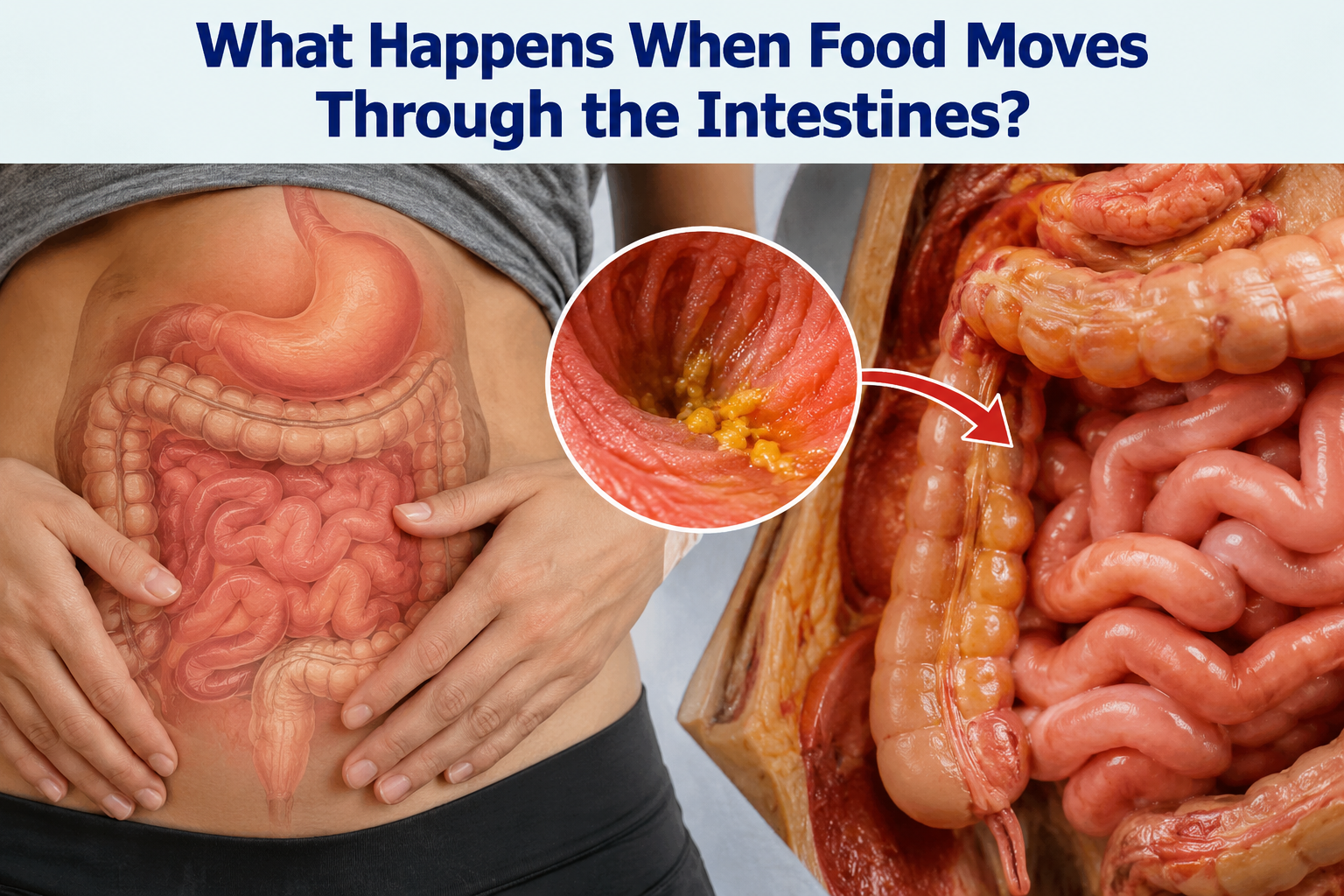
After most nutrients have been absorbed, the remaining material moves into the large intestine.
The large intestine is also called the colon.
Its main job is not to digest large amounts of food. Instead, it absorbs water and certain minerals from the remaining material.
As water is removed, the leftover material becomes more solid.
The large intestine also contains trillions of microorganisms commonly known as gut bacteria.
Many of these microorganisms are helpful. They can break down certain substances that human digestive enzymes cannot fully process.
Some gut bacteria also produce useful compounds and vitamins.
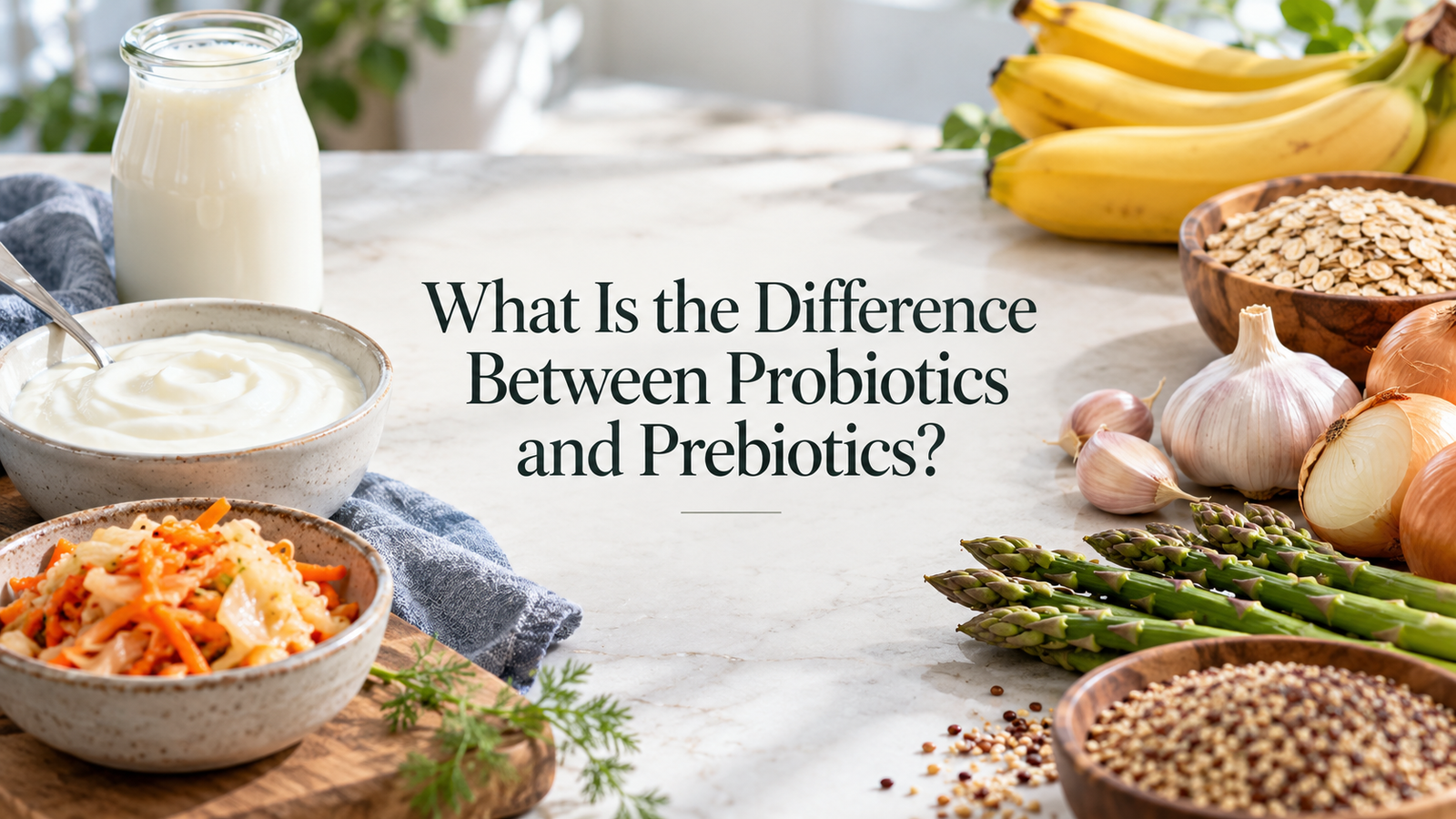
The health of these microorganisms can be influenced by diet, especially the amount and variety of fiber rich plant foods a person eats.
The Importance of Dietary Fiber
Fiber is a type of carbohydrate found mainly in plant foods.
Unlike many other carbohydrates, fiber is not completely broken down by human digestive enzymes.
Instead, it travels through much of the digestive system relatively unchanged.
Fiber helps add bulk to stool and may support regular bowel movements.
Some types of fiber can also be fermented by bacteria in the large intestine.
Foods that naturally contain fiber include fruits, vegetables, beans, lentils, oats, whole grains, nuts, and seeds.
Including a variety of fiber rich foods can help support normal digestive function.
Water Is Essential for Digestion
Water plays an important role throughout the digestive process.
Saliva contains water, digestive juices contain water, and the intestines need adequate fluid to move food and waste properly.
The large intestine absorbs much of the water that remains after digestion.
If the body does not receive enough fluid, stools may become harder and more difficult to pass.
Drinking enough water and eating foods with a high water content can support normal digestion.
Fruits, vegetables, soups, and many fresh foods naturally contribute to daily fluid intake.
Gut Bacteria and Digestion
The digestive system is home to a large community of microorganisms, especially in the large intestine.
This community is often called the gut microbiome.
Gut bacteria interact with undigested food, especially certain types of dietary fiber.
During fermentation, these bacteria can produce compounds that may support the cells lining the colon.
The composition of gut bacteria differs from one person to another.
A varied diet that includes fruits, vegetables, legumes, whole grains, and other plant foods may help support microbial diversity.
How the Body Removes Digestive Waste
Once the large intestine has absorbed enough water, the remaining material becomes stool.
Stool contains undigested food particles, bacteria, water, cells, and other waste substances.
It moves through the colon and is stored temporarily in the rectum.
When the rectum becomes full, signals are sent to the brain, creating the urge to have a bowel movement.
The waste is then eliminated through the anus.
This final step completes the digestive process.
Factors That Can Affect Digestion
Digestion can be influenced by many everyday habits.
Eating too quickly may reduce chewing and cause a person to swallow larger food particles.
Very large meals may take longer for the stomach to process.
A diet that contains very little fiber may affect normal bowel movements.
Not drinking enough water can also make stool harder.
Physical activity may support normal movement through the digestive tract.
Stress can also affect digestion because the digestive system and nervous system communicate closely with each other.
For this reason, healthy digestion is influenced not only by food but also by daily lifestyle habits.
Simple Ways to Support Healthy Digestion
Healthy digestion does not require complicated routines.
Eating a balanced diet is one of the most important steps.
Try to include vegetables, fruits, whole grains, protein foods, and healthy fats in regular meals.
Chew food thoroughly and avoid rushing through every meal.
Drink enough water throughout the day.
Include fiber gradually, especially if your current diet contains very little fiber.
Stay physically active and maintain a regular eating routine when possible.
It is also helpful to pay attention to how different foods affect your own body because digestive tolerance can vary between individuals.
Why Understanding Digestion Matters
Learning how the digestive system breaks down food helps explain why nutrition is so important.
The body cannot directly use a piece of bread, an apple, an egg, or a portion of meat. These foods must first be separated into smaller nutrients.
Carbohydrates are converted into simple sugars.
Proteins are broken into amino acids.
Fats are separated into fatty acids and related compounds.
Vitamins, minerals, and water are absorbed along the digestive tract.
Once absorbed, these nutrients can travel throughout the body and support everything from movement and concentration to growth and tissue repair.
Final Thoughts
The digestive system is a highly organized network of organs that transforms food into nutrients the body can use. Digestion begins in the mouth, continues through the stomach, and reaches its most active stage in the small intestine. The liver, gallbladder, and pancreas provide important substances that help break down fats, proteins, and carbohydrates.
Nutrients are absorbed mainly through the small intestine, while the large intestine absorbs water and prepares remaining waste for removal.
Every stage has an important purpose. Chewing prepares food for digestion. Stomach acid and enzymes break down nutrients. Bile supports fat digestion. Pancreatic enzymes continue chemical digestion. The intestinal lining absorbs nutrients, and the colon manages water and waste.
Understanding how the digestive system breaks down food can also encourage healthier eating habits. A balanced diet, adequate water, fiber rich foods, proper chewing, regular activity, and sensible meal portions can all support normal digestive function.
Digestion may happen automatically, but it is one of the most complex and essential processes taking place inside the human body every day.