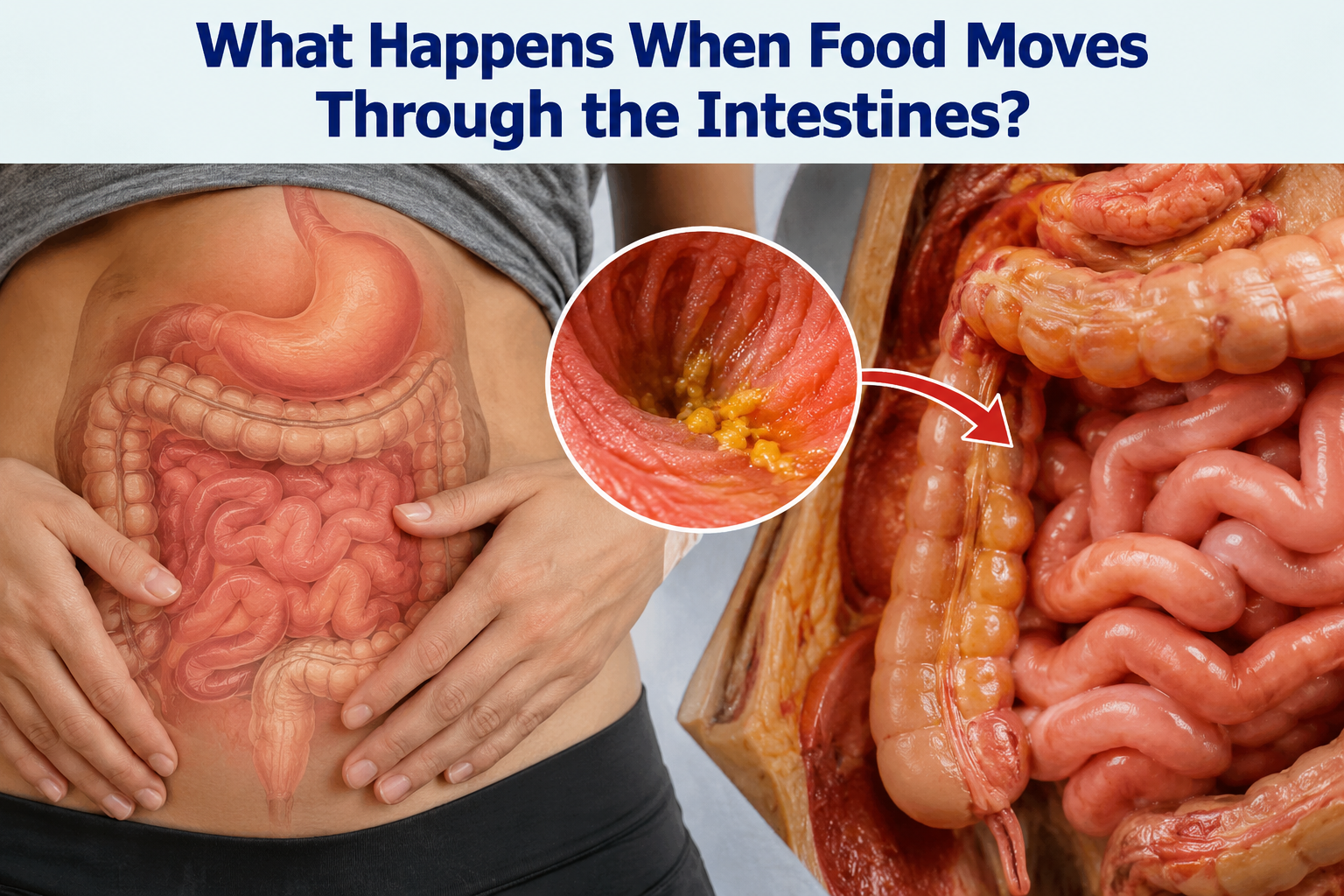
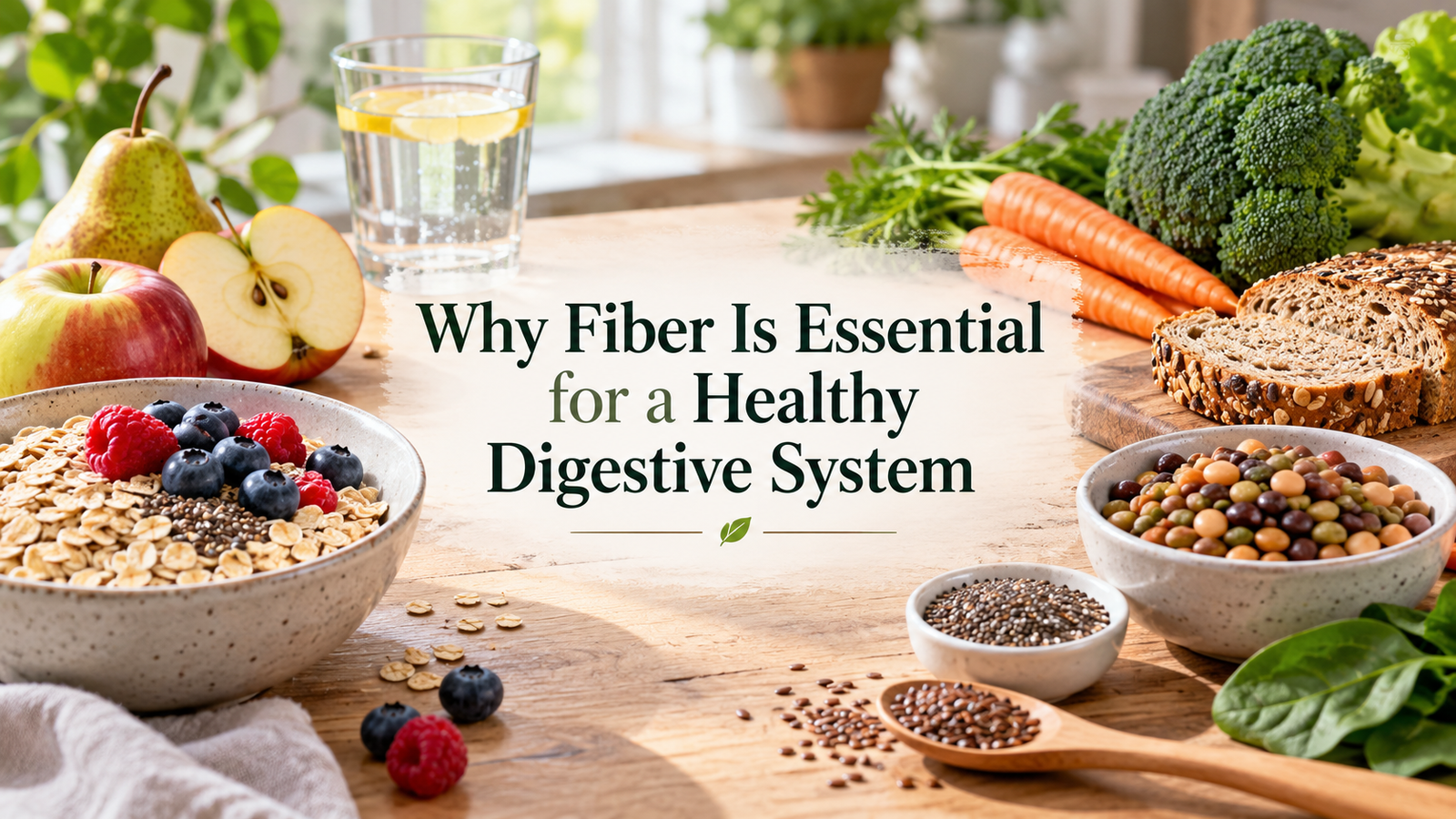
A healthy digestive system plays an important role in overall wellbeing. It helps the body break down food, absorb nutrients, remove waste, and maintain a comfortable daily routine. Many factors influence digestion, but one of the most important is dietary fiber. Fiber is a natural part of plant foods, and although the body does not digest it in the same way as protein, fats, or carbohydrates, it performs several important functions inside the digestive tract.
Understanding why fiber is essential for a healthy digestive system can help people make better food choices. Fruits, vegetables, whole grains, beans, lentils, nuts, and seeds are some of the most common sources of fiber. Including a variety of these foods in everyday meals can support regular bowel movements, healthy gut bacteria, and better digestive comfort.
What Is Dietary Fiber?
Dietary fiber is a type of carbohydrate found mainly in plant foods. Unlike many other carbohydrates, fiber is not completely broken down by digestive enzymes in the small intestine. Instead, much of it travels through the digestive system and reaches the large intestine.
This special characteristic gives fiber many of its health benefits.
Fiber is generally divided into two main types, soluble fiber and insoluble fiber. Both types are useful for digestion, although they work in different ways.
Soluble fiber absorbs water and forms a soft, gel like substance in the digestive tract. It is found in foods such as oats, apples, beans, carrots, and citrus fruits.
Insoluble fiber does not dissolve easily in water. It adds bulk to stool and helps food waste move through the digestive system. Whole grains, wheat bran, many vegetables, nuts, and seeds provide insoluble fiber.
Most natural plant foods contain a combination of both types, which is one reason why eating a varied diet is so important.
Fiber Supports Regular Bowel Movements
One of the best known benefits of dietary fiber is its ability to support regular bowel movements.
The digestive system constantly processes food and moves waste toward the large intestine. If stool becomes too hard or moves too slowly, bowel movements may become difficult.
Insoluble fiber helps by adding bulk to stool. This extra bulk can stimulate the natural movement of the intestines and make waste easier to pass.
Soluble fiber can also be helpful because it absorbs water. This can contribute to softer stool and improve consistency.
For many people, eating enough fiber as part of a balanced diet is an important part of maintaining normal bowel habits.
Fiber Can Help Prevent Constipation
Constipation is a common digestive concern. It may involve hard stools, difficulty passing stool, or less frequent bowel movements.
A low fiber diet can sometimes contribute to this problem. When meals contain very little plant based food, stool may lack the volume and moisture needed to move comfortably through the intestines.
Increasing dietary fiber can support better stool formation.
Foods such as pears, apples, oats, lentils, beans, vegetables, whole grain bread, and seeds can all contribute useful fiber.
Water intake is also important. Fiber works best when the body receives enough fluid. Increasing fiber without drinking enough water may not provide the desired digestive benefits.
It is usually better to increase fiber gradually rather than suddenly eating very large amounts.
Fiber Supports Healthy Gut Bacteria
The human digestive system contains a large community of microorganisms commonly called the gut microbiome.
Many of these bacteria perform useful functions. They interact with food, produce certain compounds, and contribute to the environment inside the intestines.
Some types of dietary fiber act as food for beneficial gut bacteria. These fibers are sometimes described as prebiotic fibers.
When certain gut bacteria ferment fiber, they produce substances called short chain fatty acids. These compounds help support the cells lining the colon and contribute to normal digestive function.
Foods such as onions, garlic, oats, bananas, beans, asparagus, and some whole grains contain forms of fiber that may support beneficial gut bacteria.
Eating different plant foods can help provide the gut microbiome with a wider range of nutrients.
Fiber Helps Food Move Through the Digestive Tract
Digestion depends on a series of coordinated muscular movements.
After food enters the stomach and intestines, muscles in the digestive tract help move it forward. This movement is known as peristalsis.
Fiber contributes to this process by adding volume to digestive contents.
When enough bulk is present, the intestinal muscles can move waste more efficiently. This may support a more predictable digestive pattern.
A diet based mainly on highly processed foods may contain much less fiber than a diet rich in whole plant foods. This is one reason why whole foods are often recommended as part of a digestive friendly eating pattern.
Fiber May Support Stool Consistency
Healthy digestion does not only mean having frequent bowel movements. Stool consistency also matters.
Stool that is extremely hard can be difficult to pass, while very loose stool can also be uncomfortable.
Fiber can help support a more balanced consistency.
Soluble fiber absorbs water and can form a soft gel. This characteristic allows it to influence the amount of water present in stool.
Different people may respond differently to particular fiber sources, so variety and gradual changes are usually helpful.
For example, some people may feel comfortable eating oats, while others may prefer fruits, vegetables, or seeds as their main sources of fiber.
Fiber Can Help You Feel Full After Meals
Fiber also influences how satisfying a meal feels.
High fiber foods usually require more chewing and often remain in the digestive system longer than highly refined foods. This can contribute to a feeling of fullness after eating.
For example, a breakfast containing oats, fruit, and nuts may feel more satisfying than a meal made mainly from highly refined carbohydrates.
Feeling satisfied after meals may also support balanced eating habits throughout the day.
This benefit extends beyond digestion because healthy eating patterns influence many areas of overall wellbeing.
Fiber Supports the Natural Environment of the Colon
The large intestine, also known as the colon, is the final major section of the digestive tract before waste leaves the body.
Fiber plays an especially important role here.
Some forms of fiber add bulk to waste, while other forms are fermented by intestinal bacteria. These processes contribute to the normal environment of the colon.
A diet that regularly contains vegetables, fruits, whole grains, beans, and other fiber rich foods can provide the digestive system with the material it needs to function effectively.
Instead of depending on one special food, it is better to obtain fiber from several different sources.
Best Natural Sources of Fiber
Many everyday foods contain useful amounts of dietary fiber.
Fruits are among the easiest sources to include in the diet. Apples, pears, oranges, berries, bananas, guava, and other fruits can provide both fiber and important nutrients.
Vegetables are another major source. Carrots, peas, broccoli, spinach, cauliflower, cabbage, and sweet potatoes can all contribute fiber.
Whole grains include foods such as oats, whole wheat, brown rice, barley, and whole grain breads.
Beans and lentils are especially rich in fiber. Chickpeas, kidney beans, black beans, peas, and different types of lentils can provide significant amounts.
Nuts and seeds, including almonds, walnuts, chia seeds, and flaxseeds, can also add fiber to meals.
Eating foods from several of these groups can make it easier to meet daily fiber needs naturally.
Why Whole Foods Are Better Sources of Fiber
Fiber supplements are available, but whole foods provide more than fiber alone.
Fruits and vegetables also contain vitamins, minerals, water, and natural plant compounds. Whole grains provide important nutrients alongside fiber. Beans and lentils provide fiber together with plant protein and minerals.
This combination makes whole foods especially valuable.
For example, eating an apple provides fiber along with water and nutrients, while lentils provide fiber as well as protein and other beneficial nutrients.
For most people, building meals around nutritious whole foods is a practical way to improve fiber intake.
How Much Fiber Does the Body Need?
Fiber needs vary according to age, sex, overall diet, and individual health needs.
General nutrition recommendations commonly encourage adults to consume roughly 25 to 30 grams of fiber each day, although individual requirements can differ.
Instead of focusing only on a specific number, it may be helpful to look at the overall quality of the diet.
If most meals contain vegetables, fruits, whole grains, beans, lentils, nuts, or seeds, fiber intake is more likely to be adequate.
People who currently eat very little fiber should increase their intake slowly.
A sudden increase may cause gas, bloating, or digestive discomfort.
Why Fiber Should Be Increased Gradually
The digestive system may need time to adjust when fiber intake changes.
If someone normally eats very little fiber and suddenly begins eating large amounts of beans, bran, vegetables, and seeds, intestinal bacteria may produce more gas during fermentation.
This can lead to bloating or discomfort.
A gradual approach is often easier.
For example, a person might begin by adding fruit to breakfast, vegetables to lunch, and a small serving of lentils or whole grains to dinner.
Over time, additional fiber rich foods can be introduced.
This gives the digestive system and gut bacteria time to adapt.
Water and Fiber Work Together
Water is extremely important when eating a fiber rich diet.
Certain types of fiber absorb water inside the digestive tract. Adequate fluid helps fiber perform its normal function and contributes to softer stool.
If fiber intake increases while fluid intake remains very low, digestion may become uncomfortable for some people.
Water, soups, fruits, vegetables, and other fluids can all contribute to daily hydration.
The exact amount of water needed varies depending on weather, physical activity, diet, and individual needs.
Listening to thirst and maintaining regular fluid intake throughout the day can support digestive health.
Simple Ways to Eat More Fiber
Adding more fiber does not require completely changing your diet.
Small improvements can make a meaningful difference.
You can choose whole grain bread instead of refined white bread. You can add vegetables to rice, pasta, sandwiches, or other meals.
Eating whole fruit instead of relying only on fruit juice can provide more fiber.
Adding beans or lentils to soups and meals is another useful strategy.
Oats can be used for breakfast, while nuts and seeds can be added in moderate amounts to yogurt, cereals, or salads.
These simple choices can gradually increase the amount and variety of fiber in the diet.
Can Too Much Fiber Cause Problems?
Although fiber is essential, eating a very large amount suddenly can cause discomfort.
Common symptoms may include gas, bloating, abdominal fullness, or changes in bowel habits.
This usually happens when the digestive system is not accustomed to large amounts of fiber.
People with certain digestive conditions may also need individualized guidance about the amount and type of fiber they consume.
For most healthy adults, gradually increasing fiber while drinking enough water is a sensible approach.
Anyone experiencing persistent abdominal pain, severe constipation, blood in the stool, unexplained weight loss, or major changes in bowel habits should seek professional medical advice.
Fiber Is Part of a Complete Healthy Diet
Fiber should not be viewed as an isolated nutrient.
It is one part of a healthy eating pattern that also includes protein, healthy fats, carbohydrates, vitamins, minerals, and enough water.
A balanced plate may contain vegetables, a source of protein, whole grains or another nutritious carbohydrate, and healthy fats.
Fruit, nuts, seeds, beans, and lentils can provide additional variety.
Eating a wide range of foods is generally more useful than depending heavily on one particular source of fiber.
Different plant foods contain different types of fiber, which can support the digestive system in different ways.
Final Thoughts
Fiber is essential for a healthy digestive system because it supports regular bowel movements, healthy stool formation, normal intestinal movement, beneficial gut bacteria, and the overall environment of the colon.
Both soluble and insoluble fiber have important roles, which is why eating a variety of plant foods is so valuable.
Fruits, vegetables, whole grains, beans, lentils, nuts, and seeds are among the best natural sources of dietary fiber. Increasing these foods gradually while drinking enough water can help the digestive system adjust comfortably.
Good digestive health is usually built through everyday habits rather than one single food or supplement. A balanced diet rich in natural fiber, adequate hydration, regular physical activity, and consistent eating habits can all contribute to better digestion and overall wellbeing.
By making fiber rich foods a regular part of daily meals, you can provide your digestive system with the support it needs to work efficiently and comfortably over the long term.