
Bloating after eating is a common digestive problem that can make the stomach feel full, tight, swollen, or uncomfortable. Sometimes the abdomen may also look larger than usual. For many people, bloating appears after a heavy meal and disappears within a few hours. For others, it happens regularly even after eating a normal amount of food.
Understanding what causes bloating after eating can make it easier to improve eating habits and identify foods that may be affecting digestion. Bloating does not always mean that something is seriously wrong. In many cases, it happens because of swallowed air, gas production, digestion speed, food choices, or temporary changes in the digestive system.
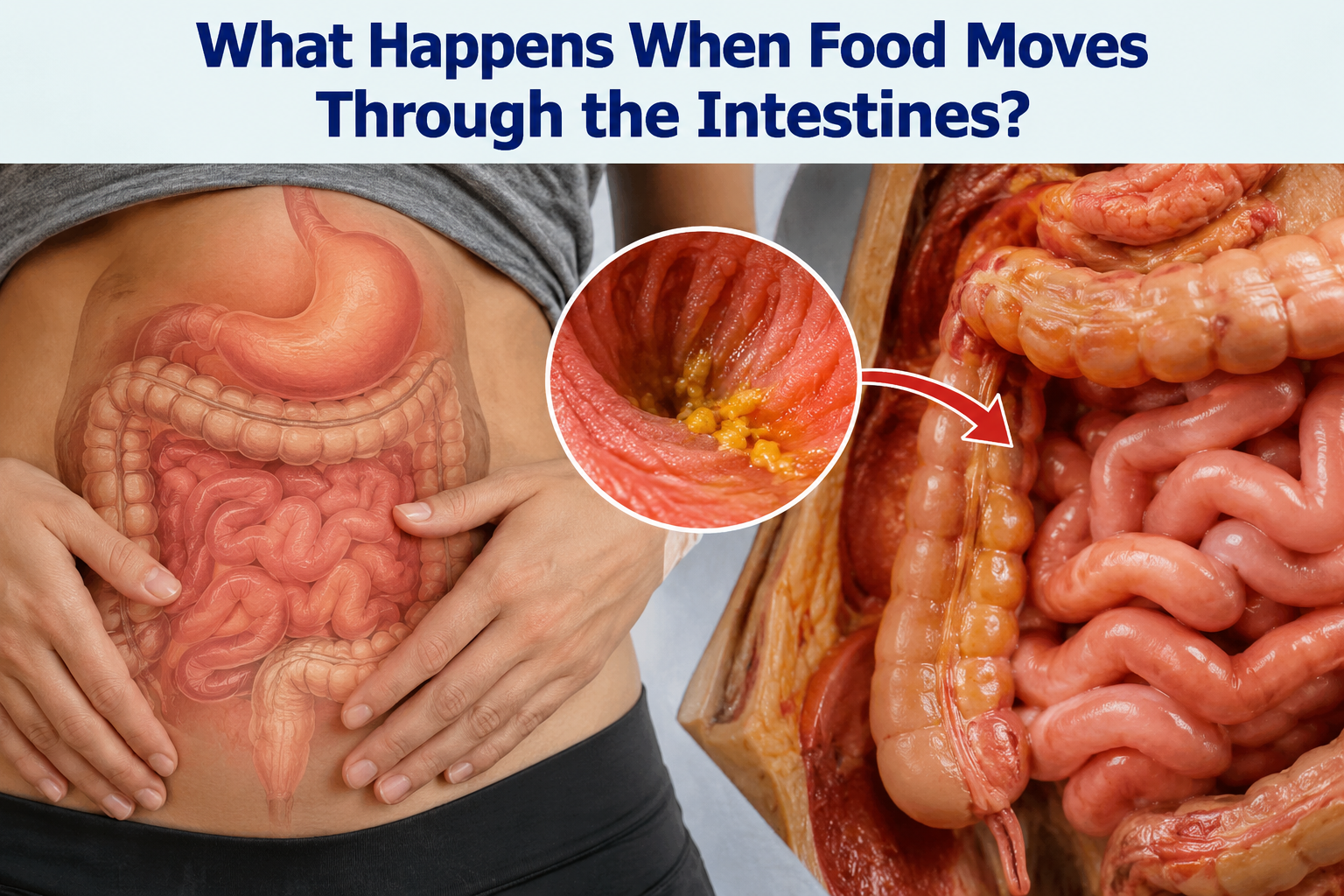
The digestive system is responsible for breaking food into smaller nutrients that the body can absorb and use. During this process, gases are naturally produced in the stomach and intestines. When too much gas builds up or digestion becomes slower than usual, a person may experience abdominal pressure and bloating.
Eating Too Quickly Can Cause Bloating
One of the simplest causes of bloating after eating is eating too quickly. When food is eaten rapidly, people often swallow more air without realizing it.
This extra air can collect inside the digestive tract and create a feeling of fullness or pressure. Fast eating can also make it easier to consume more food than the body actually needs because the brain requires time to recognize that the stomach is becoming full.
Eating slowly allows food to be chewed properly and gives the digestive system time to prepare for digestion. Taking smaller bites and chewing thoroughly may help reduce the amount of air swallowed during meals.
Large Meals Can Stretch the Stomach
Eating a very large meal can naturally make the abdomen feel swollen. The stomach is flexible and expands as food enters it. When a large amount of food is eaten at once, the stomach stretches more than usual.
This temporary expansion can produce a feeling of heaviness, pressure, or bloating. Large meals may also take longer to move through the digestive system.
People who regularly feel bloated after large meals may find it helpful to eat slightly smaller portions and spread their food intake throughout the day.
This does not necessarily mean eating less overall. It simply means avoiding an excessive amount of food in one sitting.
Gas Producing Foods
Certain foods naturally produce more gas during digestion. Many of these foods are highly nutritious and should not automatically be avoided.
Beans, lentils, chickpeas, broccoli, cabbage, cauliflower, onions, and some whole grains may increase gas production in some people.
These foods contain carbohydrates and fibers that are not completely broken down in the small intestine. When they reach the large intestine, gut bacteria begin fermenting them.
Fermentation produces gases such as hydrogen, methane, and carbon dioxide. This process is normal, but excessive gas production can cause bloating.
People react differently to these foods. One person may eat beans without any problem while another may experience significant bloating.
Carbonated Drinks
Soft drinks, sparkling water, and other carbonated beverages contain carbon dioxide gas.
When these drinks are consumed, some of the gas may remain inside the digestive system. This can increase burping, stomach pressure, and bloating.
Drinking large amounts of carbonated beverages with meals may make bloating more noticeable, particularly in people who already have sensitive digestion.
Plain water is usually a better choice for people who frequently experience bloating after eating.

Too Much Fiber at Once
Fiber is an important part of a healthy diet. It supports digestion, bowel regularity, and gut health.
However, suddenly increasing fiber intake can sometimes cause bloating and gas.
Foods such as whole grains, beans, vegetables, fruits, seeds, and legumes contain dietary fiber. Gut bacteria ferment certain types of fiber, which can temporarily increase gas production.
The digestive system often needs time to adjust when fiber intake increases.
A gradual increase in fiber combined with adequate water intake may be easier for the digestive system than suddenly eating large amounts.
Food Intolerances
Food intolerances are another possible cause of bloating after eating.
A food intolerance happens when the digestive system has difficulty processing a particular food or food component.
Lactose intolerance is a common example. Lactose is the natural sugar found in milk and some dairy products.
The body uses an enzyme called lactase to break down lactose. People with low levels of this enzyme may not digest lactose completely.
Undigested lactose can reach the large intestine, where bacteria ferment it. This may lead to gas, bloating, abdominal discomfort, or diarrhea.
Other carbohydrates found in certain foods may also be difficult for some people to digest.
Constipation and Bloating
Constipation can contribute significantly to abdominal bloating.
When stool moves slowly through the intestines, gas may become trapped behind it. This can make the abdomen feel heavy, tight, or swollen.
People with constipation may also feel that they have not completely emptied their bowels.
Adequate water, regular physical activity, and suitable amounts of dietary fiber can support normal bowel movements.
Persistent constipation should not be ignored, especially if it is accompanied by severe pain, bleeding, unexplained weight loss, or other concerning symptoms.
High Fat Meals
Meals that contain large amounts of fat can take longer to leave the stomach compared with lighter meals.
Fat is an important nutrient and plays several roles in the body, but very heavy or greasy meals may slow stomach emptying.
This can create a prolonged feeling of fullness after eating.
Fried foods, fast food, rich sauces, fatty meats, and large portions of oily foods may contribute to bloating in some individuals.
Choosing balanced meals with moderate amounts of healthy fats may feel more comfortable for the digestive system.
Artificial Sweeteners
Certain sugar substitutes can cause gas and bloating when consumed in large amounts.
Sweeteners such as sorbitol, mannitol, and xylitol are sometimes found in sugar free chewing gum, candies, drinks, and processed foods.
These ingredients are sugar alcohols. Some of them are not completely absorbed by the small intestine.
When they reach the large intestine, gut bacteria can ferment them, leading to gas and digestive discomfort.
Reading food labels may help people recognize whether these ingredients are contributing to frequent bloating.
Swallowing Excess Air
Bloating does not always come directly from food.
Daily habits can cause people to swallow extra air.
Chewing gum, drinking through a straw, talking while eating, smoking, eating quickly, and drinking carbonated beverages may all increase the amount of air swallowed.
Most swallowed air is released through burping, but some can travel farther through the digestive tract and contribute to gas.
Changing a few simple habits can sometimes noticeably reduce bloating.
The Role of Gut Bacteria
The human digestive system contains trillions of microorganisms, including many different types of bacteria.
These microorganisms help digest certain foods, produce useful compounds, and interact with the immune system.
However, the amount and type of gas produced during digestion can vary depending on the composition of the gut microbiome.
Some people naturally produce more gas from particular foods because of the types of bacteria living in their intestines.
Changes in diet, illness, medication use, and lifestyle may also influence the gut microbiome.
This is one reason why two people can eat exactly the same meal but experience completely different digestive reactions.
Stress and Digestion
Stress can affect the digestive system in several ways.
The brain and digestive system communicate through a network sometimes described as the gut brain connection.
When a person feels anxious or stressed, digestion may become faster or slower. Some people may experience increased sensitivity to normal amounts of gas inside the intestines.
This means that even if gas production has not increased significantly, the sensation of bloating may feel stronger.
Eating in a calm environment, slowing down during meals, and maintaining healthy sleep habits may support comfortable digestion.
Hormonal Changes
Some people experience bloating because of hormonal changes.
Women may notice increased bloating before or during menstruation. Hormonal changes can affect fluid balance and digestive movement.
Temporary water retention may also make the abdomen feel swollen.
This type of bloating often changes throughout the menstrual cycle and may improve naturally as hormone levels change.
Lack of Physical Activity
Movement helps support normal digestive function.
People who sit for long periods, especially after large meals, may notice more bloating or heaviness.
Light activity such as walking can help encourage normal movement of food and gas through the digestive tract.
A short walk after eating may feel more comfortable than lying down immediately after a meal.
Regular physical activity also supports bowel regularity and general digestive health.
Certain Digestive Conditions
Although occasional bloating is common, frequent or severe bloating can sometimes be associated with digestive conditions.
Irritable bowel syndrome can cause bloating, abdominal discomfort, constipation, diarrhea, or changes between the two.
Other digestive conditions may also affect how food moves through the digestive tract or how certain nutrients are absorbed.
It is important not to diagnose a condition based only on bloating because many different factors can produce similar symptoms.
A healthcare professional can help evaluate persistent symptoms and determine whether testing is needed.
Keeping a Food and Symptom Journal
People who experience frequent bloating may benefit from keeping a simple food journal.
Write down what you eat, when you eat it, and when bloating appears.
Over several days or weeks, patterns may become easier to recognize.
For example, bloating may repeatedly occur after milk, beans, large meals, carbonated drinks, or very fatty foods.
A food journal can also help a healthcare professional or dietitian understand possible triggers.
It is usually better to identify patterns carefully rather than removing many foods from the diet without a clear reason.
How to Reduce Bloating After Eating
Several everyday habits may help reduce bloating.
Eat slowly and chew food thoroughly. Avoid overeating at one meal. Drink enough water throughout the day. Limit carbonated drinks if they increase symptoms.
Increase fiber gradually rather than suddenly. Stay physically active and consider taking a short walk after meals.
Pay attention to foods that repeatedly cause discomfort, but avoid unnecessary food restrictions.
People who suspect lactose intolerance or another food intolerance may benefit from professional advice before making major dietary changes.
When Bloating Should Be Checked
Occasional bloating after eating is usually not a cause for concern.
However, medical advice is appropriate when bloating becomes frequent, severe, or persistent.
It is especially important to seek medical evaluation if bloating occurs with severe abdominal pain, repeated vomiting, blood in the stool, unexplained weight loss, ongoing diarrhea, persistent constipation, fever, or a major change in bowel habits.
These symptoms do not automatically indicate a serious condition, but they deserve proper evaluation.
Final Thoughts
Bloating after eating can happen for many reasons. Common causes include eating too quickly, swallowing air, eating large meals, consuming gas producing foods, constipation, food intolerances, high fat meals, artificial sweeteners, and carbonated beverages.
Gut bacteria, stress, hormonal changes, and physical activity can also influence how the digestive system feels after a meal.
For many people, improving eating habits and identifying individual food triggers can reduce bloating significantly.
Eating slowly, choosing balanced portions, drinking enough water, staying active, and giving the digestive system time to adjust to dietary changes are simple steps that may support better digestion.
The key is to pay attention to how your body responds to different foods rather than assuming that one diet works for everyone.
Bloating is usually temporary, but persistent or unusual symptoms should be discussed with a qualified healthcare professional. Understanding the possible causes of bloating after eating can help you make more informed food choices and develop healthier digestive habits over time.