
Water is one of the most basic needs of the human body, yet many people do not realize how closely hydration is connected with digestion. We often focus on fiber, vegetables, probiotics, and healthy meals when talking about digestive health, but drinking enough water is just as important. The digestive system depends on water at almost every stage, from breaking down food to moving waste through the intestines.
I have always found it interesting that something as simple as water can affect so many processes inside the body. After reading about digestion and nutrition, it becomes clear that proper hydration is not only about preventing thirst. Water supports saliva production, helps soften food, assists digestive juices, supports bowel movements, and helps the body absorb nutrients.
Understanding how drinking enough water supports digestion can make it easier to develop healthier daily habits.
Why Water Is Important for Digestion
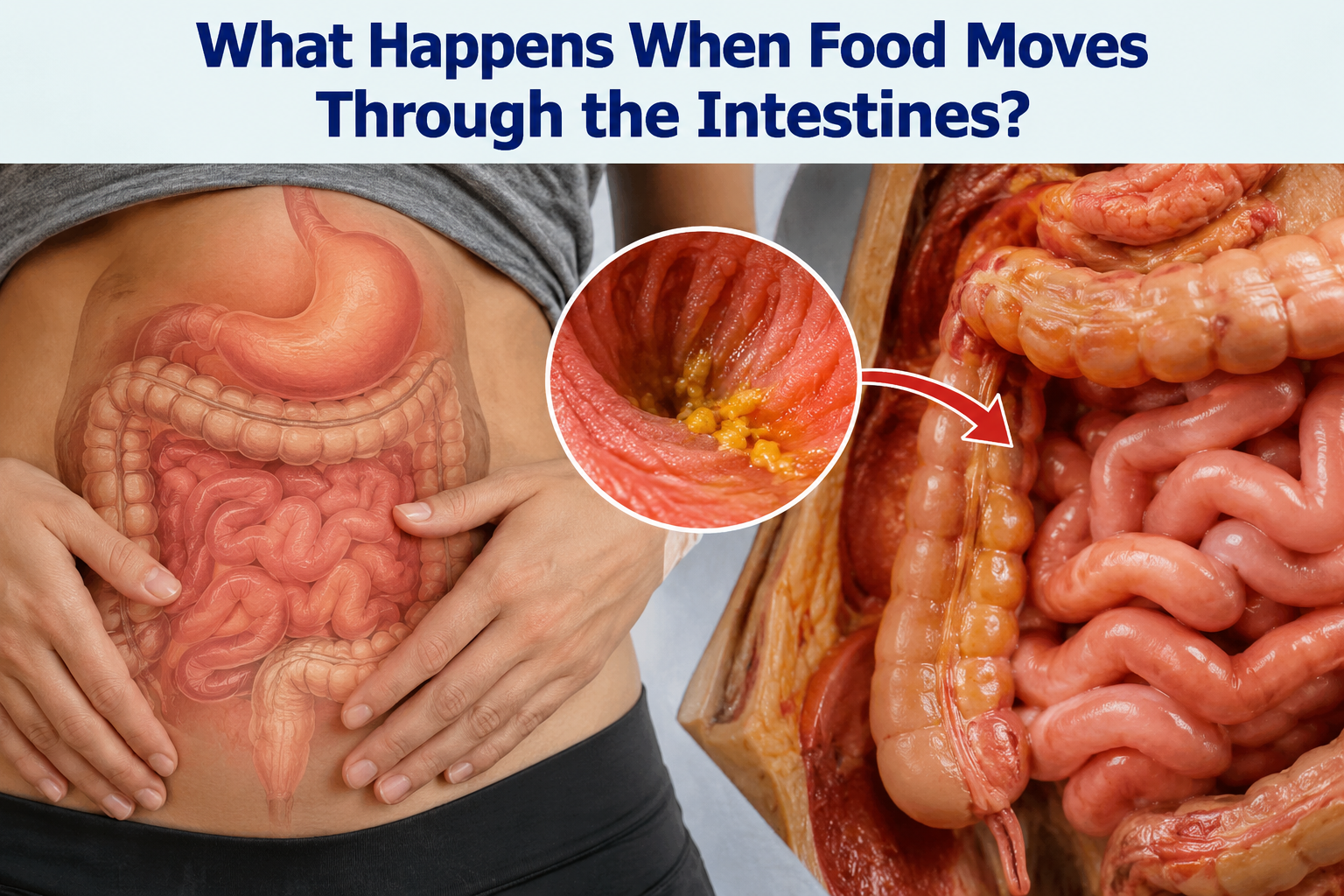
Digestion is the process through which the body breaks food into smaller nutrients that can be absorbed and used for energy, growth, and repair. This process begins in the mouth and continues through the stomach, small intestine, and large intestine.
Water is involved throughout this entire journey.
The digestive tract needs enough fluid to keep food moving smoothly. Water also mixes with digestive substances and helps dissolve certain nutrients. Without enough water, digestion may become slower and bowel movements may become harder.
The body can adjust to short periods of reduced water intake, but regularly drinking too little may contribute to digestive discomfort.
This is why maintaining good hydration is an important part of supporting normal digestive function.
Water Helps Digestion Begin in the Mouth
Digestion starts before food reaches the stomach. When we chew food, it mixes with saliva.
Saliva contains mostly water along with enzymes and other substances that begin breaking down food. It also moistens food so that it becomes easier to chew and swallow.
When the mouth is dry, eating certain foods can feel more difficult. Dry foods such as bread, crackers, or rice may be harder to swallow without enough saliva or fluids.
Drinking enough water supports normal saliva production and helps keep the mouth moist. This makes the first stage of digestion more comfortable and efficient.
Chewing food properly and staying hydrated work together to prepare food for the next stages of digestion.
Water Helps Food Move Through the Digestive Tract
After food is swallowed, it travels through the esophagus into the stomach and then through the intestines.
Muscular movements called peristalsis help push food through the digestive system. These movements occur automatically, but proper hydration helps maintain a suitable environment inside the digestive tract.
Water keeps digestive contents softer and easier to move.
When a person does not drink enough fluids, the digestive contents may become drier. This can make movement through the intestines slower and less comfortable.
Regular water intake therefore supports the natural movement of food through the digestive system.
Water Supports the Breakdown of Food
The stomach uses digestive juices to help break down food. These juices include stomach acid, enzymes, and water.
Water does not replace digestive enzymes or stomach acid, but it helps create the fluid environment needed for digestion.
The small intestine also receives digestive fluids from the pancreas, liver, and intestinal walls. These substances help break carbohydrates, proteins, and fats into smaller components.
Water helps these digestive processes take place smoothly.
A properly hydrated digestive system can more easily mix food with digestive juices and prepare nutrients for absorption.
Water Helps the Body Absorb Nutrients
After food has been broken down, nutrients need to pass through the intestinal wall and enter the bloodstream.
Water plays an important role in this process.
Many vitamins, minerals, sugars, amino acids, and other nutrients are dissolved in fluid before they are absorbed. Water soluble vitamins such as vitamin C and several B vitamins especially depend on water based environments for transportation within the body.
Once nutrients enter the bloodstream, water also helps carry them to different organs and tissues.
This means hydration supports not only digestion itself but also the transportation of nutrients after digestion.

Water Can Help Prevent Constipation
One of the most well known digestive benefits of drinking enough water is support for regular bowel movements.
The large intestine absorbs water from digestive waste before stool leaves the body. If the body needs to conserve water because fluid intake is low, the colon may absorb more water from the stool.
This can make stool harder and more difficult to pass.
Drinking enough water helps keep stool softer, especially when combined with an adequate intake of dietary fiber.
Fiber absorbs water and adds bulk to stool. Without enough fluid, suddenly increasing fiber intake may sometimes make constipation or bloating worse.
This is why fiber and hydration are usually most effective when they are increased together.
Water Works Together With Dietary Fiber
Fiber is found in foods such as vegetables, fruits, whole grains, beans, seeds, and nuts.
Some types of fiber absorb water and form a soft gel inside the digestive system. This can help regulate bowel movements and support healthy digestion.
Other types of fiber add bulk to stool and help waste move through the intestines.
Both types work better when the body receives enough fluids.
For example, foods such as oats, apples, lentils, and chia seeds can absorb considerable amounts of water. Drinking fluids throughout the day helps these foods move comfortably through the digestive tract.
A balanced diet rich in fiber should therefore also include adequate hydration.
Water May Help Reduce Digestive Discomfort Caused by Dehydration
Digestive discomfort can have many causes, so water is not a cure for every digestive problem. However, dehydration may contribute to symptoms such as constipation, dry mouth, tiredness, or harder stools.
For some people, improving daily water intake may help digestion feel more comfortable.
Hydration can also be useful when the weather is hot or when a person is physically active, because the body loses more water through sweat.
Replacing lost fluids helps maintain normal body functions, including digestion.
Does Drinking Water With Meals Harm Digestion?
There is a common belief that drinking water during meals weakens stomach acid or prevents food from being digested properly.
For most healthy people, normal amounts of water with meals do not cause this problem.
The stomach regulates its digestive environment naturally. Drinking water with food may actually help soften food and make swallowing easier.
Water may also help people eat at a comfortable pace.
However, drinking extremely large amounts of fluid very quickly can cause temporary fullness or discomfort in some people.
Moderate amounts are usually more comfortable than forcing yourself to drink large quantities at once.
Is Warm Water Better for Digestion?
Some people prefer warm water because they feel that it is more comfortable for the stomach, especially in the morning or during cold weather.
Warm water can certainly contribute to daily fluid intake, but there is no need to believe that it has special digestive powers.
Cold, cool, room temperature, and warm water can all support hydration.
The best temperature is usually the one that encourages you to drink enough.
For some people, room temperature water is easier to drink regularly. Others prefer chilled water.
Consistency matters more than temperature.
How Much Water Should You Drink?
There is no single amount of water that is perfect for every person.
Water needs vary according to body size, diet, activity level, temperature, humidity, pregnancy, health conditions, and other factors.
The body also receives water from foods and other drinks.
Fruits and vegetables such as watermelon, oranges, cucumber, tomatoes, and lettuce contain a large amount of water. Soups, milk, and other beverages can also contribute to hydration.
A practical approach is to drink regularly throughout the day rather than waiting until you feel extremely thirsty.
Urine color can sometimes provide a simple clue about hydration. Very dark urine may suggest that more fluids are needed, while pale yellow urine often indicates better hydration. However, medicines, supplements, and certain foods can also change urine color.
Signs You May Not Be Drinking Enough Water
Thirst is one of the most obvious signs that the body needs fluids, but it is not the only one.
Low fluid intake may also be associated with a dry mouth, darker urine, fewer trips to the bathroom, headaches, tiredness, or constipation.
Some people may not notice thirst strongly, especially when they are busy or spending long hours indoors.
Older adults may also have a weaker thirst response.
Keeping water nearby can make it easier to drink regularly without depending entirely on thirst.
Simple Ways to Drink More Water
Increasing water intake does not have to be complicated.
Keeping a bottle or glass of water within reach is one of the easiest strategies. Drinking some water after waking up can also help replace fluids lost overnight.
Another useful habit is drinking water with meals and between meals.
People who do not enjoy plain water can add natural flavor with slices of lemon, cucumber, mint, or orange.
Eating more water rich foods can also contribute to hydration.
Building these habits gradually is usually easier than suddenly trying to drink large amounts of water.
Can You Drink Too Much Water?
Although hydration is important, more water is not always better.
Drinking an excessive amount of water in a short period can disturb the balance of sodium and other electrolytes in the body. This is uncommon in normal daily life but can become dangerous in extreme situations.
The goal should be adequate hydration, not excessive hydration.
People with kidney disease, heart conditions, liver problems, or certain other medical conditions may need specific advice about fluid intake.
In such situations, recommendations from a healthcare professional are more appropriate than following general hydration targets.
Water and Gut Health
The digestive system contains trillions of microorganisms, often described as the gut microbiome.
Research continues to explore how hydration, diet, fiber, and other lifestyle factors influence these microorganisms.
Water does not directly provide beneficial bacteria, but good hydration supports the digestive environment in which the gut microbiome exists.
A balanced diet containing fiber rich foods is especially important because many beneficial gut bacteria use certain fibers as a source of nourishment.
Water helps these foods pass through the digestive system and supports regular bowel function.
For this reason, hydration can be considered one part of a broader gut friendly lifestyle.
Water Rich Foods Can Support Hydration
Drinking water is important, but food can also make a meaningful contribution to daily fluid intake.
Many fruits and vegetables naturally contain large amounts of water.
Watermelon, strawberries, oranges, peaches, cucumber, tomatoes, lettuce, zucchini, and celery are good examples.
Yogurt, soups, and cooked vegetables also contain fluid.
Including these foods in meals can improve both hydration and overall nutrition.
They may also provide fiber, vitamins, minerals, and antioxidants that support general health.
Hydration During Exercise and Hot Weather
Physical activity increases water loss through sweating.
Hot weather can increase fluid loss even more.
When the body loses water faster than it is replaced, dehydration becomes more likely. This may affect energy levels, concentration, physical performance, and normal digestive function.
People who exercise regularly should pay attention to fluid intake before, during, and after activity.
The exact amount needed depends on exercise intensity, duration, temperature, and individual sweating patterns.
In very hot conditions or during long periods of intense activity, electrolytes may also become important.
Water Should Be Part of an Overall Healthy Lifestyle
Good digestion does not depend on water alone.
The digestive system works best when hydration is combined with a balanced diet, enough fiber, regular physical activity, adequate sleep, and healthy eating habits.
Eating slowly and chewing food properly can also support digestion.
Regular meals may help some people maintain a comfortable digestive routine.
Stress management is important as well because stress can influence appetite, bowel habits, and digestive sensations.
Water is therefore one important part of a larger picture.
Final Thoughts
Understanding how drinking enough water supports digestion shows why hydration deserves daily attention. Water helps digestion begin in the mouth, supports the movement and breakdown of food, assists nutrient absorption, and helps maintain softer stools and regular bowel movements.
It also works closely with dietary fiber, making fiber rich foods more effective in supporting healthy digestion.
There is no need to follow complicated hydration rules. For most people, the most useful approach is simply to drink water regularly, respond to thirst, include water rich foods in the diet, and increase fluids when activity or hot weather causes greater water loss.
Healthy digestion depends on many habits working together. A balanced diet, enough fiber, regular movement, proper sleep, and sufficient hydration can all support the digestive system.
Water may seem simple, but its role inside the body is essential. Making hydration a regular part of everyday life is one of the easiest ways to support digestion and overall health.