
The human body is home to trillions of microorganisms, and many of them live inside the digestive system. These microorganisms include bacteria, fungi, viruses, and other tiny organisms. Among them, gut bacteria have attracted a great deal of attention because of their important role in digestion, nutrition, immunity, and overall health.
When people hear the word bacteria, they often think about infections or disease. However, not all bacteria are harmful. Many types of bacteria are beneficial and naturally live inside the intestines. Together, these microorganisms form what is commonly known as the gut microbiome.
A healthy gut microbiome contains a wide variety of microorganisms that work together with the body. They help break down certain foods, produce useful compounds, communicate with the immune system, and support the normal function of the digestive tract.
Understanding why gut bacteria are important for human health can help us make better choices about food, lifestyle, and digestive health.
What Are Gut Bacteria?
Gut bacteria are microscopic organisms that live mainly in the large intestine. Hundreds of different bacterial species may be present in the digestive system at the same time.
Every person has a slightly different combination of gut bacteria. This balance can be influenced by age, genetics, diet, environment, medications, physical activity, and lifestyle.
Some bacteria help the body perform useful functions, while others may become harmful when they grow in excessive amounts. Good health usually depends on maintaining a balanced and diverse community of microorganisms.
Scientists continue to study the gut microbiome because it appears to influence many systems in the human body.
Gut Bacteria Help With Digestion
One of the most important functions of gut bacteria is supporting digestion.
The human digestive system can break down carbohydrates, proteins, and fats using digestive enzymes. However, certain types of dietary fiber and complex carbohydrates cannot be completely digested by human enzymes.
Gut bacteria help break down some of these substances.
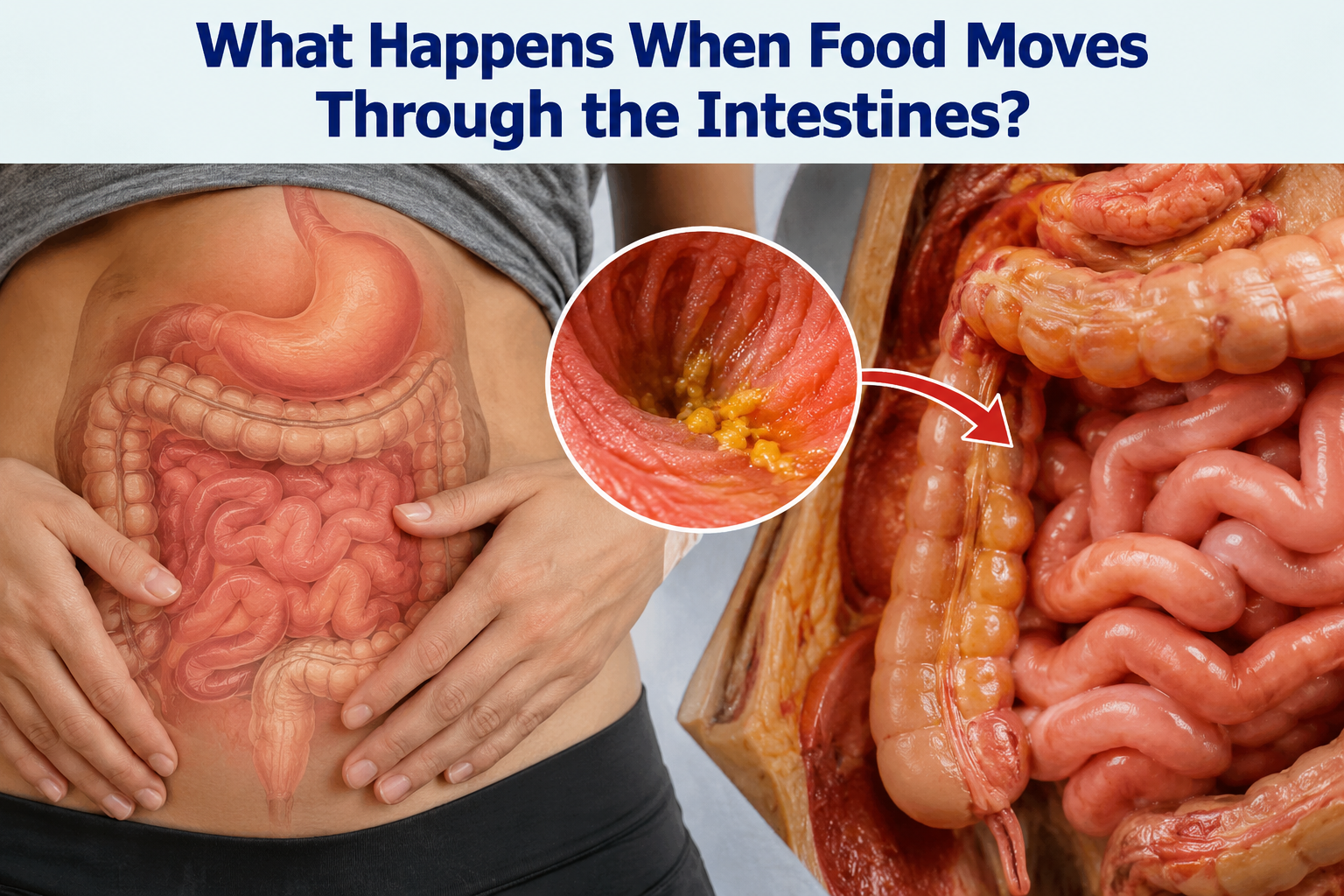
When bacteria ferment dietary fiber in the large intestine, they produce compounds known as short chain fatty acids. These compounds include acetate, propionate, and butyrate.
Short chain fatty acids can provide energy to cells in the colon and help maintain a healthy intestinal environment.
This is one reason why fiber rich foods are often linked with digestive health. Foods such as vegetables, fruits, beans, lentils, oats, and whole grains provide substances that beneficial gut bacteria can use.
Gut Bacteria Help Produce Important Nutrients
Another reason gut bacteria are important for human health is their role in producing certain nutrients.
Some intestinal bacteria are involved in the production of vitamin K and certain B vitamins. These vitamins perform important functions in the body.
Vitamin K contributes to normal blood clotting and bone health. B vitamins support energy metabolism, the nervous system, and many other biological processes.
Food remains the main source of essential nutrients, but the activity of gut bacteria can also contribute to the nutritional environment inside the digestive system.
The relationship between diet and gut bacteria is therefore very close. The foods we eat influence the bacteria living inside us, while these bacteria influence how some food components are processed.
Gut Bacteria Support the Immune System
A large part of the body’s immune activity is connected to the digestive tract.
The intestines are constantly exposed to food particles, microorganisms, and substances from the outside environment. The immune system must learn to respond appropriately to harmful threats while tolerating harmless substances.
Gut bacteria play an important part in this process.
Beneficial bacteria communicate with immune cells and may help support normal immune responses. They also compete with potentially harmful microorganisms for space and nutrients.
When healthy bacteria occupy the intestinal environment, it becomes more difficult for unwanted microorganisms to grow excessively.
This natural competition is one of the ways the gut microbiome helps protect the digestive system.
Gut Bacteria Protect the Intestinal Barrier
The lining of the intestines acts as an important barrier between the contents of the digestive tract and the rest of the body.
A healthy intestinal barrier allows nutrients to be absorbed while helping prevent harmful substances from entering the bloodstream too easily.
Certain beneficial gut bacteria support the cells that make up this intestinal lining.
For example, butyrate produced during fiber fermentation is an important energy source for cells in the colon. These cells help maintain the structure of the intestinal barrier.
A balanced gut microbiome therefore contributes to both digestion and protection.

The Gut and Brain Are Connected
Researchers have also discovered strong communication between the digestive system and the brain.
This connection is sometimes called the gut brain axis.
The brain can influence digestion through the nervous system, while the digestive system can send signals back to the brain through nerves, hormones, immune pathways, and microbial compounds.
Gut bacteria may influence some of these communication pathways.
Scientists are still studying exactly how this relationship works, but evidence suggests that the gut microbiome may be connected with mood, stress responses, appetite, and certain aspects of brain function.
This does not mean that gut bacteria control emotions or behavior on their own. Human health is influenced by many factors. However, the connection between digestive health and the nervous system is an important area of modern research.
Gut Bacteria May Influence Metabolism
The gut microbiome also plays a role in the way the body processes energy from food.
Different bacterial communities may affect how certain nutrients are broken down and how metabolic compounds are produced.
Researchers are studying relationships between gut bacteria, body weight, blood sugar regulation, and fat metabolism.
These relationships are complex because metabolism is influenced by diet, genetics, sleep, physical activity, hormones, and many other factors.
A healthy diet that supports microbial diversity may contribute to better overall metabolic health.
Why Diversity of Gut Bacteria Matters
A healthy gut is not simply about having one type of good bacteria.
Microbial diversity appears to be important.
A diverse gut microbiome contains many different species that perform different functions. Some break down fiber. Others produce useful compounds. Others interact with the immune system.
Eating a varied diet can help support this diversity.
Instead of relying on the same few foods every day, people can include different vegetables, fruits, whole grains, legumes, nuts, seeds, and fermented foods where appropriate.
Greater food variety provides different types of nutrients and fibers that can support a wider range of beneficial microorganisms.
Foods That Support Healthy Gut Bacteria
Diet has one of the strongest influences on the gut microbiome.
Fiber rich foods are especially important because many beneficial bacteria use certain types of fiber as food.
Good sources include apples, bananas, onions, garlic, oats, barley, lentils, beans, peas, carrots, leafy vegetables, and whole grains.
These foods contain different types of dietary fiber and natural plant compounds.
Fermented foods may also contain helpful microorganisms or compounds produced during fermentation. Examples include yogurt with live cultures, kefir, some fermented vegetables, and other traditionally fermented foods.
However, not every fermented product contains live bacteria by the time it is eaten. Processing and heating can reduce or remove living microorganisms.
What Are Prebiotics?
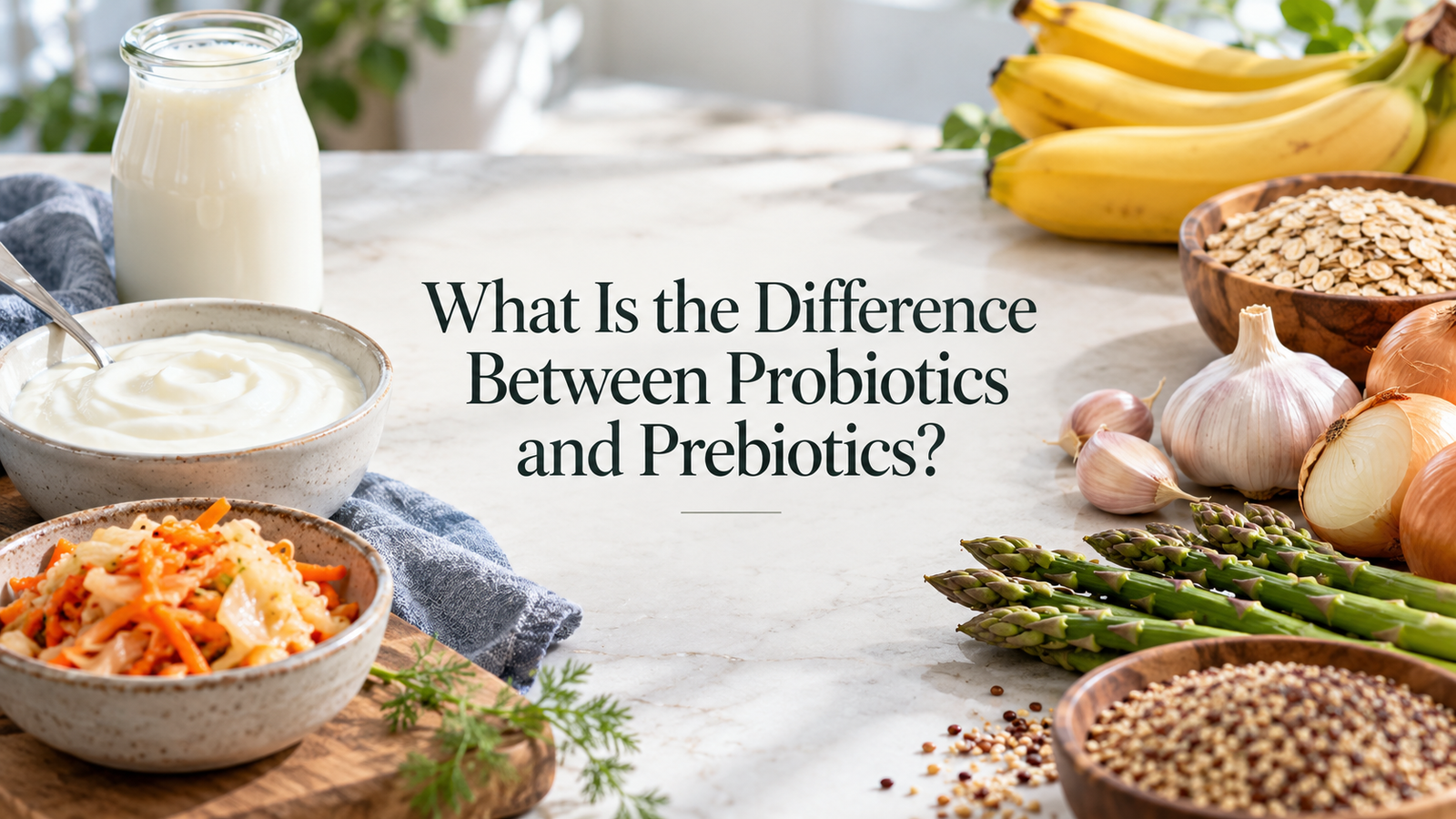
Prebiotics are food components that beneficial gut bacteria can use.
They are usually certain types of fiber or carbohydrates that resist digestion in the upper digestive tract and reach the large intestine.
There, they can be fermented by bacteria.
Foods naturally containing prebiotic fibers include onions, garlic, leeks, bananas, oats, asparagus, and some legumes.
Including these foods as part of a balanced diet may help support beneficial bacterial populations.
What Are Probiotics?
Probiotics are live microorganisms that may provide health benefits when consumed in adequate amounts.
Certain yogurts and fermented foods contain probiotic bacteria. Probiotic supplements are also widely available.
However, different probiotic strains may have different effects. A product containing one bacterial strain may not provide the same benefits as another product.
Probiotics should therefore not be treated as a replacement for a balanced diet.
For most healthy people, eating a varied diet containing fiber rich plant foods is an important foundation for supporting gut health.
People with specific medical conditions should speak with a qualified healthcare professional before using supplements regularly.
Antibiotics Can Affect Gut Bacteria
Antibiotics are valuable medicines used to treat bacterial infections. However, they can also affect helpful bacteria living in the digestive system.
This happens because antibiotics may kill both harmful bacteria and some beneficial bacteria.
After antibiotic treatment, the gut microbiome may temporarily change. In many cases, bacterial communities gradually recover, although the process may take time.
Antibiotics should therefore be used only when medically necessary and according to professional instructions.
They should not be used for viral illnesses unless a healthcare professional identifies a specific reason.
Lifestyle Also Affects the Gut Microbiome
Food is important, but other lifestyle habits may also influence gut health.
Regular physical activity is associated with many health benefits and may also be linked with greater microbial diversity.
Adequate sleep supports normal hormonal, metabolic, and immune functions.
Long periods of poor sleep or chronic stress may influence digestion and eating habits, which can indirectly affect the gut microbiome.
Drinking enough water also supports normal digestion and helps fiber move through the digestive tract.
A healthy gut therefore depends on a combination of balanced nutrition and healthy daily habits.
The Problem With Extremely Restrictive Diets
Some people remove large groups of foods from their diet because they believe this will improve digestive health.
However, unnecessary food restriction can reduce dietary variety and fiber intake.
Since different gut bacteria prefer different food sources, eating a very limited diet may reduce the variety of nutrients available to them.
Food restrictions may sometimes be medically necessary, especially for allergies, intolerances, or digestive disorders. In such situations, professional guidance can help maintain adequate nutrition.
For the general population, variety is usually more helpful than extreme restriction.
Can Gut Bacteria Become Unbalanced?
The gut microbiome naturally changes over time, so there is no single perfect bacterial balance for everyone.
However, factors such as illness, poor diet, medication use, infections, stress, and major lifestyle changes can influence the bacterial community.
Researchers sometimes use the term dysbiosis to describe an unhealthy or disturbed microbial balance.
Dysbiosis has been studied in connection with several health conditions. However, research is still developing, and it is not always clear whether microbial changes are the cause of a condition or the result of it.
For this reason, gut health should not be reduced to simple claims about having good or bad bacteria.
The microbiome is a complex biological system.
Simple Ways to Support Gut Health
Supporting healthy gut bacteria does not require complicated diets.
Eating a variety of plant foods is one of the simplest steps.
Vegetables, fruits, beans, lentils, whole grains, nuts, and seeds provide fiber and plant compounds that support the digestive environment.
Fermented foods can also be included if they suit the individual.
Highly processed foods do not need to be completely avoided, but a diet based mainly on nutrient rich whole foods usually provides more fiber and nutritional variety.
Regular activity, good sleep, proper hydration, and responsible antibiotic use also support overall health.
Why Scientists Continue to Study the Gut Microbiome
Research into gut bacteria has expanded rapidly during recent years.
Scientists are studying how the microbiome interacts with the immune system, metabolism, digestive diseases, nutrition, medications, and the nervous system.
One of the most interesting discoveries is that gut bacteria do far more than simply live inside the intestines.
They participate in an active relationship with the human body.
However, many questions remain unanswered. Researchers are still learning which bacterial species are most important, how individual microbiomes differ, and how diet changes these microbial communities over long periods.
Future research may help scientists develop more personalized approaches to nutrition and digestive health.
Final Thoughts
Gut bacteria are an important part of human health because they support digestion, produce useful compounds, interact with the immune system, protect the intestinal environment, and participate in communication between different systems of the body.
A healthy gut microbiome is usually supported by variety rather than by one special food or supplement.
Eating vegetables, fruits, whole grains, legumes, nuts, seeds, and suitable fermented foods can provide nutrients that beneficial bacteria use.
Healthy habits such as regular exercise, adequate sleep, proper hydration, and careful use of antibiotics can also support the digestive system.
The science of gut bacteria is still developing, but one lesson is already clear. The microorganisms living inside the digestive system are not simply passengers. They are active partners in many processes that help the human body function normally.
Taking care of digestive health through balanced nutrition and healthy daily habits can therefore support not only the gut but overall human health as well.